EN

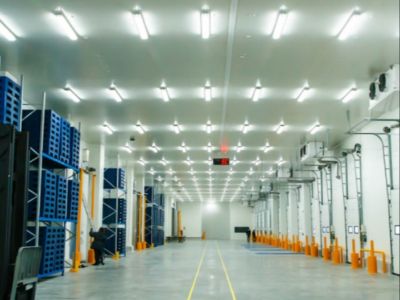
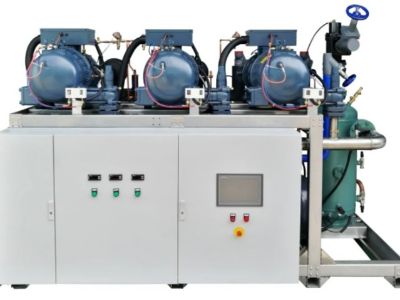
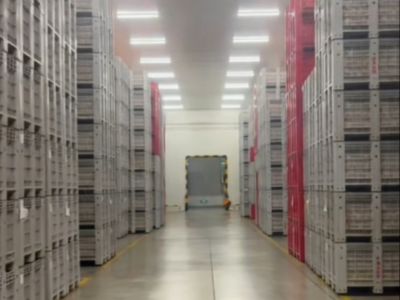
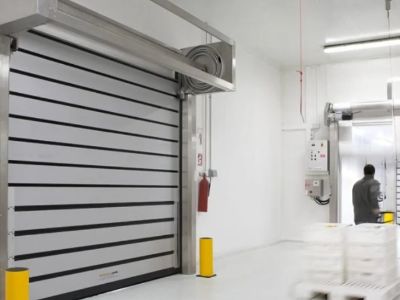
Modular cold rooms are vital for businesses that require temperature-controlled environments to preserve perishable goods, pharmaceuticals, and sensitive materials. These systems offer customizable solutions that can be tailored to specific storage needs, ensuring efficiency and reliability. However, B2B buyers often face challenges in sourcing the right modular cold rooms, including understanding specifications, installation requirements, and overall costs. This article will provide insights into key considerations when sourcing modular cold rooms, helping purchasing managers and distributors make informed decisions.
Key Specifications to Consider When Purchasing Cold Rooms
Choosing the right modular cold room involves assessing several key aspects. Start by evaluating the intended use of the cold room. For instance, if the cold room is for food storage, it should comply with food safety regulations and standards. Conversely, cold rooms for pharmaceuticals might require more stringent temperature controls and monitoring systems.
Next, consider the materials used in construction. High-quality insulation materials, such as polyurethane or polystyrene, are crucial for maintaining temperature efficiency. The thickness of the insulation can significantly impact energy consumption and temperature stability.
Customization options are also vital. Depending on storage needs, buyers may require specific features such as adjustable shelving, temperature monitoring systems, or specialized flooring. Engage with the manufacturer to explore customization capabilities that align with your operational requirements.
Lastly, assess the total cost of ownership, which includes purchase price, installation, and ongoing maintenance costs. A lower initial cost may not always translate to long-term savings if the system is not energy efficient or requires frequent repairs.