Choosing the Right Modular Cold Rooms for Your Business

Let's Discuss Your Needs

Every great collaboration starts with a friendly chat.
We're here to help you figure things out and find the best way forward.
Company Name
Name
Email
WhatsApp
Mobile

modular cold rooms

Modular cold rooms are vital for businesses that require temperature-controlled environments to preserve perishable goods, pharmaceuticals, and sensitive materials. These systems offer customizable solutions that can be tailored to specific storage needs, ensuring efficiency and reliability. However, B2B buyers often face challenges in sourcing the right modular cold rooms, including understanding specifications, installation requirements, and overall costs. This article will provide insights into key considerations when sourcing modular cold rooms, helping purchasing managers and distributors make informed decisions.

Key Specifications to Consider When Purchasing Cold Rooms

Choosing the right modular cold room involves assessing several key aspects. Start by evaluating the intended use of the cold room. For instance, if the cold room is for food storage, it should comply with food safety regulations and standards. Conversely, cold rooms for pharmaceuticals might require more stringent temperature controls and monitoring systems.

Next, consider the materials used in construction. High-quality insulation materials, such as polyurethane or polystyrene, are crucial for maintaining temperature efficiency. The thickness of the insulation can significantly impact energy consumption and temperature stability.

Customization options are also vital. Depending on storage needs, buyers may require specific features such as adjustable shelving, temperature monitoring systems, or specialized flooring. Engage with the manufacturer to explore customization capabilities that align with your operational requirements.

Lastly, assess the total cost of ownership, which includes purchase price, installation, and ongoing maintenance costs. A lower initial cost may not always translate to long-term savings if the system is not energy efficient or requires frequent repairs.
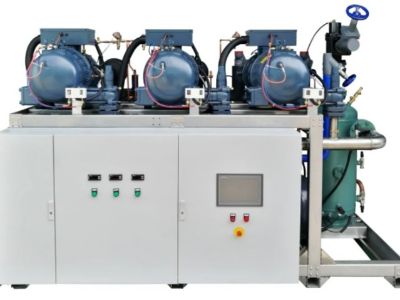
Common Installation Challenges for Cold Rooms and Solutions

Understanding the specifications of energy-efficient modular cold rooms is essential for making informed purchasing decisions. Key specifications include:

Insulation Thickness: Thicker insulation generally leads to better thermal performance, reducing energy costs. The appropriate thickness depends on the intended application and local climate conditions.

Cooling Capacity: This specification indicates how quickly the cold room can reach and maintain the desired temperature. Factors influencing cooling capacity include room size, insulation quality, and external temperature.

Temperature Range: Buyers should confirm the operational temperature range required for their specific applications. Modular cold rooms can be designed for various temperature settings, from freezing to refrigeration.

Sealing Quality: A well-sealed cold room prevents temperature fluctuations and energy loss. Buyers should inspect door seals, wall joints, and any penetrations for refrigeration lines.

Control Systems: Advanced monitoring and control systems can enhance energy efficiency by allowing for precise temperature adjustments. Evaluate the type of control systems available and their ease of use.

Each of these specifications plays a crucial role in the performance and efficiency of modular cold rooms. Buyers should carefully assess these factors according to their specific application needs.

Evaluating Quality Standards in Modular Cold Room Manufacturing

Installing modular cold rooms can present various challenges. One common issue is site preparation. It’s critical to ensure that the installation area is level, clean, and equipped with the necessary utilities, such as electricity and water supply for cooling systems.

Another challenge can be the assembly process. Depending on the complexity of the design, some modular cold rooms may require specialized tools or skilled labor for installation. Buyers should verify whether the manufacturer provides installation services or support to mitigate this risk.

Additionally, ensuring proper ventilation is essential for the efficient operation of the cooling system. Improper ventilation can lead to overheating of the compressor and increased energy consumption. Buyers should work closely with the supplier to confirm that the installation plan includes adequate ventilation measures.

Lastly, buyers should account for potential delays in installation due to weather conditions or unforeseen site issues. Planning for contingencies and setting realistic timelines can help manage these challenges effectively.

Applications of Modular Cold Rooms in Food and Pharma Industries

The cost of modular cold room systems can vary widely based on several factors. Here’s a breakdown of the primary cost components:

Initial Purchase Price: This is the base cost of the modular cold room itself, which can fluctuate based on size, materials, and features.

Installation Costs: Depending on the complexity of the installation, labor costs can add significantly to the overall price. Buyers should inquire about estimated installation fees and whether these are included in the quoted price.

Operating Costs: Energy consumption is a major ongoing expense. Energy-efficient designs can significantly lower utility bills, so it’s essential to consider the projected operational costs over time.

Maintenance Costs: Regular maintenance is necessary to ensure optimal performance. Buyers should evaluate the manufacturer's recommendations for maintenance schedules and potential repair costs.

Customization Costs: Custom features such as specialized shelving or advanced monitoring systems may incur additional costs. Buyers should clearly outline their customization needs to receive accurate quotes.

Understanding these cost components allows buyers to assess the total cost of ownership, ensuring that they can budget effectively for both the initial investment and ongoing operational expenses. By addressing these considerations, potential buyers can make informed decisions when sourcing modular cold rooms that meet their specific needs and operational requirements.

How to Choose the Right Modular Cold Rooms for Your Business Needs

When sourcing modular cold rooms for wholesale, several factors should be prioritized. First, consider the specific temperature requirements based on the products being stored. Different applications, such as food storage or pharmaceutical storage, may require varying temperature ranges. For example, a Cold Room designed for food storage must meet specific temperature regulations.

Another critical factor is the room's size and layout. Modular cold rooms are customizable, so buyers should clearly define their spatial needs and any design preferences. Additionally, energy efficiency is a significant consideration; energy-efficient systems, such as REFRIGERATION UNITS, can reduce operational costs and contribute to sustainability goals.

Quality standards and certifications are essential as well. Buyers should verify that the manufacturer adheres to industry standards for safety and performance. It is also advisable to request references or case studies to evaluate the supplier's reliability.

Lastly, consider lead times and availability. Inquire about the manufacturer's production capacity and delivery timelines to ensure that the cold rooms can be delivered when needed.

Frequently Asked Questions

What are modular cold rooms and how do they work?

Modular cold rooms are prefabricated, insulated panels assembled on-site to create customizable refrigeration spaces. They use compressors, condensers, and controls to maintain set temperatures and can be integrated with automated systems for monitoring and control.
Yes. We design custom-engineered layouts, sizes, insulation levels, and door/access configurations to meet food, pharmaceutical, or logistics requirements, including automated controls and racking systems.
Our modular cold rooms support a wide range from blast-freezing below -40°C to chilled storage above 0°C, tailored by insulation, refrigeration capacity, and control settings to meet product-specific needs.
We use high-performance insulation, efficient compressors, and smart controls to minimize energy use. Systems are optimized per application to reduce operating costs while maintaining precise temperature and humidity.
Yes. We offer full services: site survey, custom engineering, on-site installation, automation integration, commissioning, and global after-sales support including maintenance and spare parts.

Our Blog Posts

how to set temperature in chiller

03

Nov

how to set temperature in chiller

Setting the correct temperature in a chiller is crucial for maintaining the quality and safety of sensitive products, especially in industries like food, pharmaceuticals, and logistics. This article will address key considerations for B2B buyers, inc...
View More
how to clean condensing unit

03

Nov

how to clean condensing unit

Cleaning a condensing unit is essential for maintaining the efficiency and longevity of refrigeration systems, particularly in industries like food processing, pharmaceuticals, and logistics. Proper cleaning helps prevent malfunctions, reduces energy...
View More
controlled atmosphere storage of fruits and vegetables

03

Nov

controlled atmosphere storage of fruits and vegetables

Controlled atmosphere storage of fruits and vegetables is a critical component in preserving the quality and extending the shelf life of produce. These specialized storage solutions regulate temperature, humidity, and gas composition to slow down rip...
View More
what are the methods of food preservation

03

Nov

what are the methods of food preservation

Food preservation is a critical process for maintaining the quality and safety of perishable items, especially in the food industry. Understanding what are the methods of food preservation can help businesses minimize waste, ensure product integrity,...
View More

Leave a Message

Email
Name
Company Name
Message
0/1000

Related product categories