EN

Choosing the right air condenser unit is crucial for businesses in various sectors, including food, pharmaceuticals, and logistics. These units play a vital role in maintaining optimal temperatures within cold storage systems, which can directly impact product quality and safety. For purchasing managers and engineers, understanding the specific needs of your operations, the technical specifications of air condenser units, and potential challenges can lead to better decision-making. This article aims to clarify these aspects and assist you in sourcing the right air condenser unit for your business.
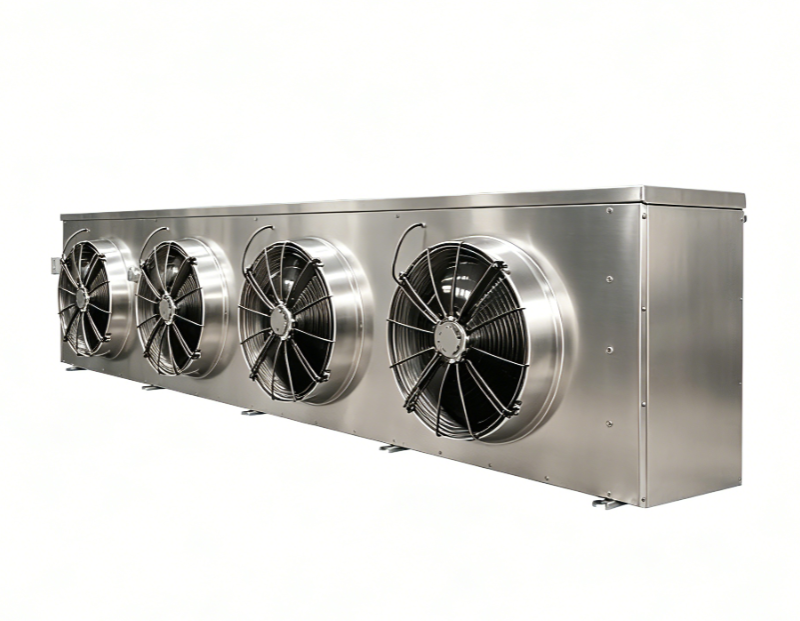
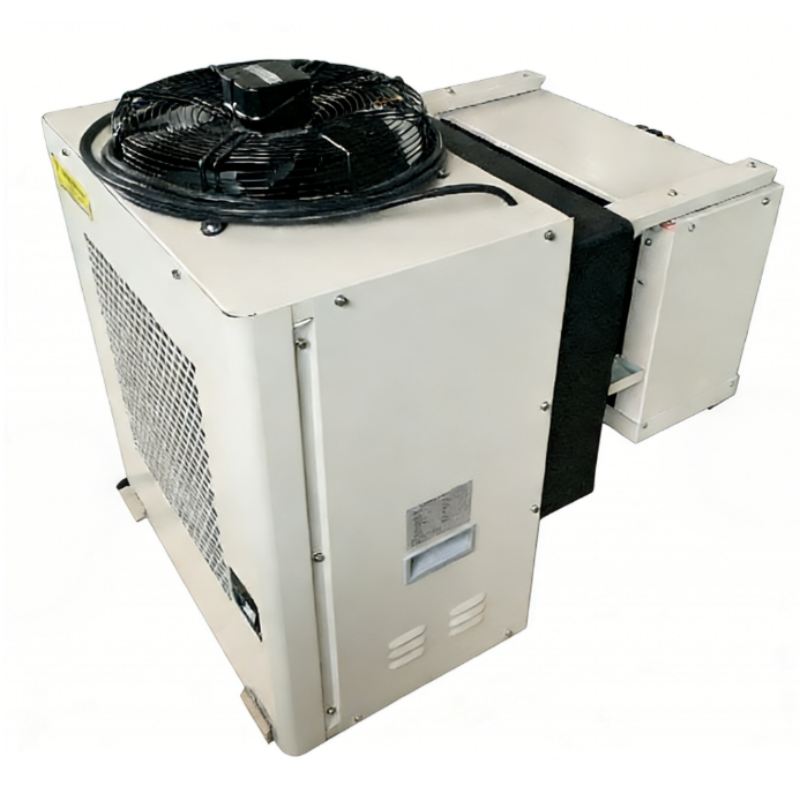
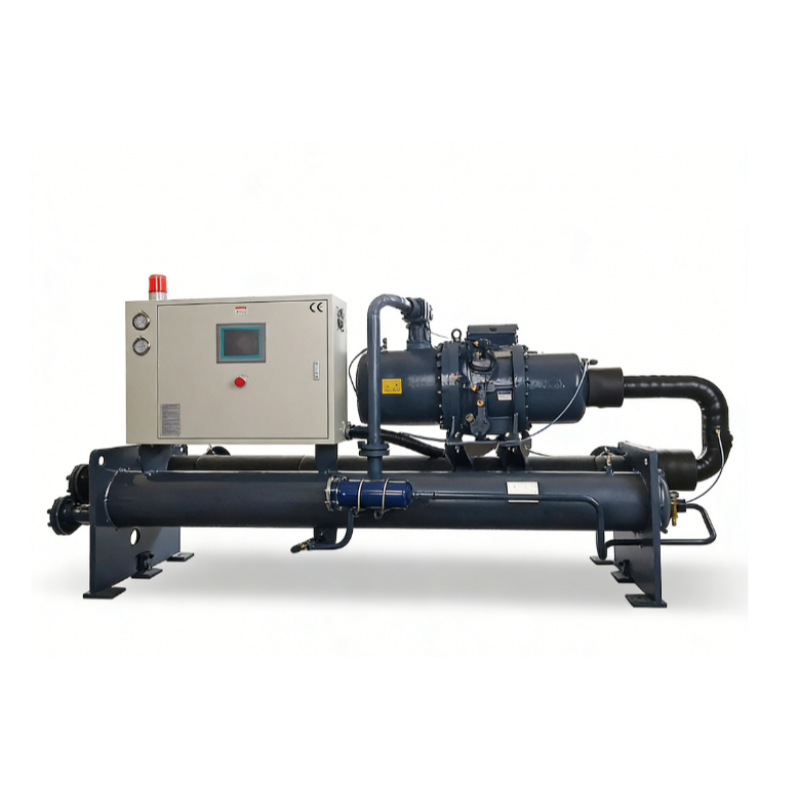
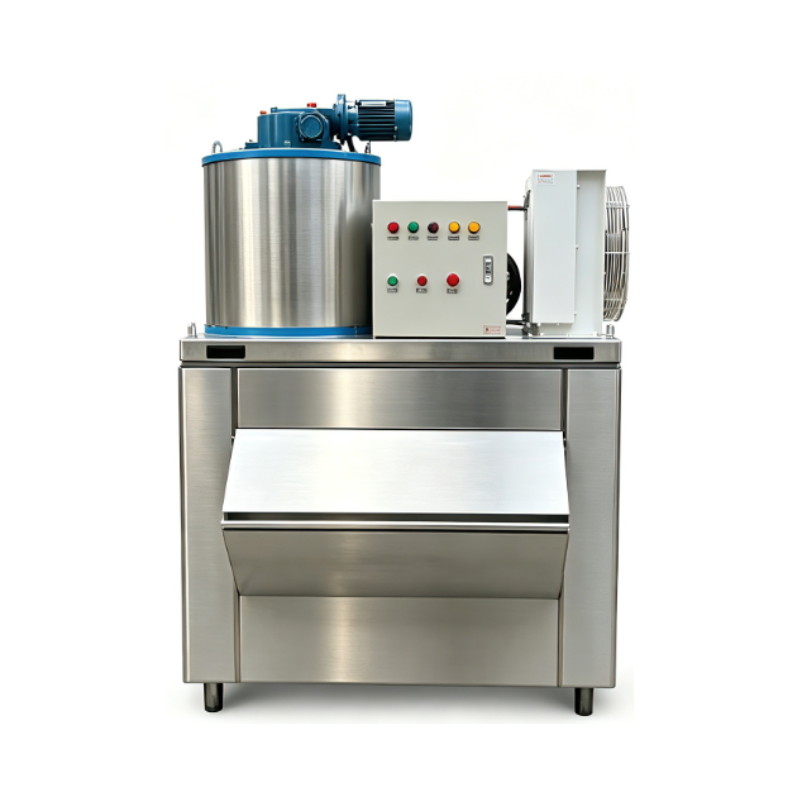
Key Specifications to Consider When Sourcing Air Condenser Units
Several critical specifications should be considered when sourcing air condenser units:
Cooling Capacity: Measured in BTUs or kilowatts, this indicates how much heat the unit can remove from the environment. It's vital to match the unit's capacity with your cooling needs to avoid inefficiencies.
Energy Efficiency Ratio (EER): This measures the unit's efficiency and can significantly impact operational costs. Higher EER ratings generally indicate lower energy consumption for the same cooling output.
Compressor Type: Different compressors (reciprocating, scroll, rotary) offer various performance characteristics. Understanding the operational demands can help you select the most suitable type.
Operating Conditions: Consider the ambient temperature range where the unit will operate. Some units are designed for high ambient temperatures, while others perform better in cooler conditions.
Dimensions and Weight: Ensure the unit fits within your existing infrastructure. Space constraints may require specific dimensions or a lighter-weight model for easier installation.
Noise Level: For units installed in or near workspaces, noise levels should be considered to maintain a comfortable environment.
Understanding these specifications will help you evaluate different models more effectively and ensure they align with your operational needs.