Key Specifications for Sourcing Cold Rooms

Let's Discuss Your Needs

Every great collaboration starts with a friendly chat.
We're here to help you figure things out and find the best way forward.
Company Name
Name
Email
WhatsApp
Mobile

cold room

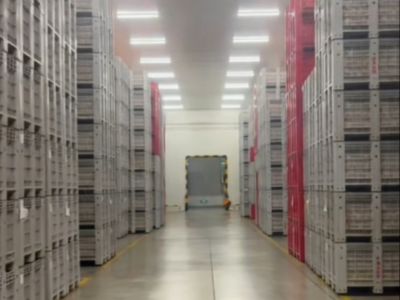
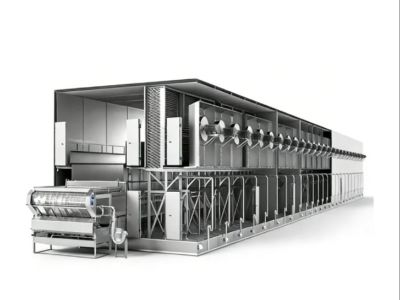
Cold rooms are specialized refrigerated spaces designed to store temperature-sensitive products, particularly in industries such as food, pharmaceuticals, and logistics. When sourcing cold storage solutions, B2B buyers often have critical concerns regarding energy efficiency, customization, and reliability. This article will provide insights into key specifications, wholesale buying tips, essential features to look for, common challenges faced in cold room operations, and the cost factors that impact purchasing decisions.

Wholesale Buying Tips for Energy-Efficient Cold Rooms

When purchasing cold rooms in bulk, energy efficiency should be a top priority due to its impact on long-term operational costs. Here are some tips to consider:

Evaluate Energy Ratings: Look for cold rooms with high energy efficiency ratings. These ratings can often be found in product specifications and can significantly affect electricity costs over time.

Ask About Customization: Many manufacturers, including Shanghai Zhaoxue Refrigeration Co., Ltd., offer customization options to enhance energy efficiency. This may include tailored insulation solutions or specific cooling technology that suits your operational needs. Consider options like Cold Room solutions that can be customized for optimal performance.

Consider Lifecycle Costs: While the initial investment is important, also assess the total lifecycle costs, which include maintenance, energy consumption, and potential downtime. A slightly higher upfront cost for a more energy-efficient model can lead to substantial savings in the long run.

Negotiate Bulk Pricing: When purchasing multiple units, engage with suppliers to negotiate pricing. Manufacturers may offer discounts or incentives for bulk orders, which can improve your overall budget allocation.
What Buyers Should Look For

When selecting a cold room, buyers should consider several features and capabilities that align with their operational requirements:

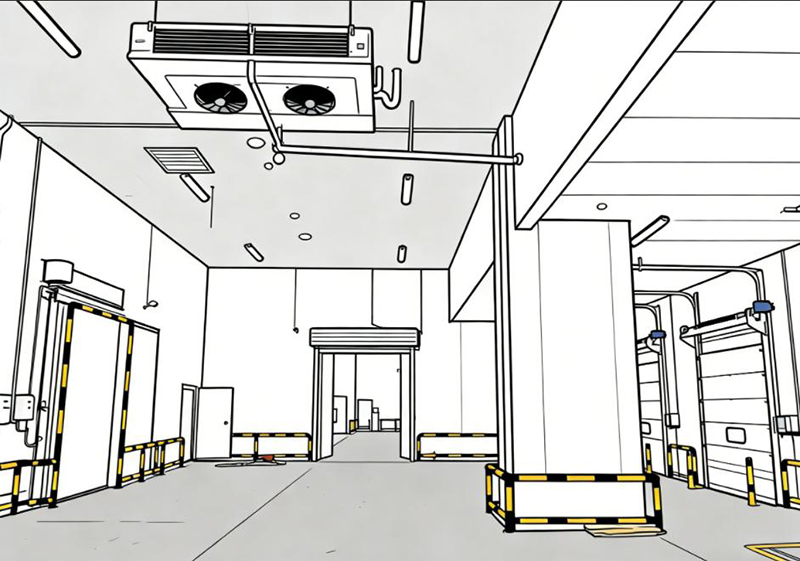
Size and Layout: Ensure the cold room's dimensions are suitable for your storage needs. Consider the layout to optimize space utilization and accessibility for staff and equipment.

Load Capacity: Confirm that the cold room can handle the expected load, including the weight of the products and any shelving or racking systems. Overloading can lead to equipment failure and increased wear.

Temperature Control: Look for systems that offer precise temperature control mechanisms, including digital thermostats and backup systems in case of primary system failure. Redundancy in cooling systems is especially critical for sensitive products.

Warranty and Support: Check the warranty terms and after-sales support offered by the manufacturer. Reliable support can help resolve issues quickly, minimizing downtime.

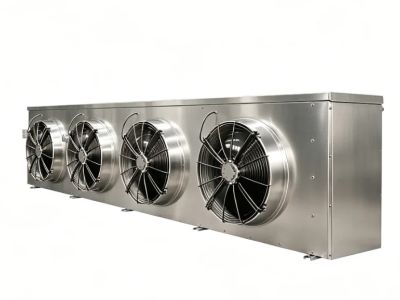
Energy Management Systems: Consider cold rooms equipped with energy management systems that provide insights into energy usage and identify areas for efficiency improvement. Solutions like REFRIGERATION UNITS can enhance energy management.

Common Cold Room Problems and Effective Solutions for Buyers

Understanding common issues associated with cold rooms can help buyers make informed decisions and prepare for potential challenges:

Temperature Fluctuations: Inconsistent temperatures can jeopardize stored products. Regular maintenance and calibration of temperature control systems are essential. Buyers should verify that the supplier provides support for routine checks and calibrations.

Insulation Failure: Insufficient insulation can lead to energy loss and temperature irregularities. Prior to purchase, confirm that insulation materials meet industry standards and assess the expected lifespan of these materials.

Condensation Issues: High humidity levels can lead to condensation, which may damage products. Look for cold rooms designed with moisture control features, such as dehumidification systems or proper ventilation.

Equipment Malfunctions: Breakdowns can cause significant financial losses. Buyers should inquire about the reliability of the cooling systems and the availability of spare parts. A trusted supplier will provide insights into the expected lifespan and maintenance requirements of the equipment.

Poor Airflow: Inadequate airflow can lead to uneven cooling and product spoilage. Buyers should evaluate the airflow design within the unit and ask about fan configurations that enhance circulation.

Understanding Cost Factors in Cold Room Purchases for Projects

Cost considerations when purchasing cold rooms can vary significantly based on several factors:

Initial Investment: The upfront cost will include the price of the cold room, installation fees, and any customization required. Buyers should obtain detailed quotes that include all associated costs.

Operational Costs: Energy consumption is a major ongoing expense. It’s crucial to calculate expected monthly electricity bills based on the room’s energy efficiency and your operational schedule.

Maintenance Expenses: Regular maintenance is essential for optimal performance. Buyers should factor in costs for routine servicing and parts replacement to ensure longevity and reliability.

Customization Costs: Personalized features or special configurations may incur additional costs. It’s advisable to discuss customization options during the initial quotation process.

Financing Options: Consider potential financing options offered by manufacturers or third-party lenders. Understanding payment terms can help align the purchase with budgetary constraints.

By keeping these specifications and tips in mind, B2B buyers can make informed decisions when sourcing cold rooms, ultimately leading to enhanced operational efficiency and product integrity.

Key Specifications to Consider When Sourcing Cold Storage Solutions

When evaluating cold room options, several specifications can significantly impact performance and suitability for your specific application. Key considerations include:

Temperature Range: Different applications require different temperature settings. For instance, food storage typically requires temperatures between -18°C to 5°C, while pharmaceuticals may need stricter controls, often between 2°C to 8°C. Ensure that the cold room can maintain the necessary temperature consistently.

Insulation Thickness: The insulation material and its thickness directly affect energy efficiency and temperature stability. A thicker insulation layer can minimize energy loss and maintain a stable internal environment, which is crucial for preserving the integrity of stored goods.

Construction Materials: The choice of materials impacts durability and maintenance. High-quality stainless steel or specially coated panels are preferred for their resistance to corrosion and ease of cleaning, particularly in food-related applications.

Automation Features: Modern cold rooms may include automated systems for monitoring and controlling temperature, humidity, and airflow. These systems enhance operational efficiency and can provide alerts for any deviations from set parameters, allowing for proactive management.

Compliance and Certification: Ensure that the cold storage solution meets relevant industry standards and certifications, such as HACCP for food safety or cGMP for pharmaceuticals. Compliance guarantees that the product adheres to necessary safety and quality regulations.

Frequently Asked Questions

What types of cold rooms do you offer?

We manufacture customized cold storage rooms, walk-in freezers, blast chillers and insulated modular units tailored for food, pharmaceutical and logistics uses.
Yes. We engineer systems for precise temperature control from +15°C down to -40°C or lower, depending on product and regulatory needs.
Yes. Our cold rooms include PLC-based automation, remote monitoring, alarm systems and data logging for temperature, humidity and access events.
Absolutely. We provide custom-engineered designs, manufacturing and global installation support, including site assessment and commissioning.
Our designs prioritize insulation, high-efficiency compressors and refrigerants to reduce energy use, offering long-term operational savings and regulatory compliance.

Our Blog Posts

10 Fascinating Facts About Cold Room You Never Knew!

12

Oct

10 Fascinating Facts About Cold Room You Never Knew!

The World's Largest "Refrigerator" Can Hold the Entire City of Rome. The global cold storage network is vast beyond imagination. For instance, the total storage capacity of one of North America's largest cold storage operators exceeds 400 million cub...
View More
what does evaporator coil do

03

Nov

what does evaporator coil do

Understanding what an evaporator coil does is essential for anyone involved in the purchasing or maintenance of refrigeration systems. These coils play a crucial role in cooling processes by absorbing heat from the environment, making them indispensa...
View More
controlled atmosphere storage of fruits and vegetables

03

Nov

controlled atmosphere storage of fruits and vegetables

Controlled atmosphere storage of fruits and vegetables is a critical component in preserving the quality and extending the shelf life of produce. These specialized storage solutions regulate temperature, humidity, and gas composition to slow down rip...
View More
what are the advantages of food preservation

03

Nov

what are the advantages of food preservation

Food preservation is a critical process that extends the shelf life of perishable goods such as fruits, vegetables, meats, and dairy products. Understanding the advantages of food preservation can greatly benefit businesses in the food industry, incl...
View More

Leave a Message

Email
Name
Company Name
Message
0/1000

Related product categories