Comparing Chiller Price for Energy Efficiency

Let's Discuss Your Needs

Every great collaboration starts with a friendly chat.
We're here to help you figure things out and find the best way forward.
Company Name
Name
Email
WhatsApp
Mobile

chiller price

When considering energy-efficient chillers, understanding the chiller price is essential for making informed purchasing decisions. For businesses in sectors like food, pharmaceuticals, and logistics, selecting the right chiller involves evaluating various specifications and capabilities to ensure optimal performance and cost-effectiveness. This article aims to provide a comprehensive understanding of how to compare chiller specifications, what applications benefit most from these systems, and essential metrics that buyers should consider when making their selection.

A Buyeru2019s Guide

When preparing to purchase a chiller, it’s vital to gather the right information to ensure you make an informed decision. Here’s a checklist to guide you through the process:

Define Your Requirements: Specify the cooling load, operational hours, and any specific environmental conditions that may affect performance.

Request Quotations: Provide suppliers with detailed information, including the type of chiller, desired capacity, and any customization needs. This will help them offer more accurate pricing.

Evaluate Supplier Experience: Look for manufacturers with a proven track record in producing energy-efficient chillers, especially in your industry. This can indicate their capability to meet your specific needs.

Review Technical Documentation: Ensure that suppliers provide comprehensive technical specifications and performance data, including EER and annual energy consumption estimates.

Consider After-Sales Support: Inquire about warranty periods, maintenance services, and availability of spare parts to ensure long-term reliability.
What Applications Benefit Most from Energy-Efficient Chillers?

Energy-efficient chillers are particularly beneficial in applications where cooling demands are high and operational costs need to be minimized. Some key sectors include:

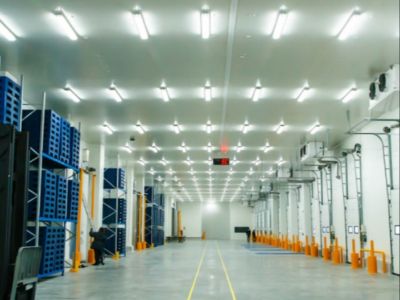
Food and Beverage: Maintaining consistent temperatures is vital for food safety and quality. Energy-efficient chillers help reduce energy costs while ensuring that products remain at safe storage temperatures. For example, using a reliable Cold Room can enhance storage conditions.

Pharmaceuticals: These industries require precise temperature control to meet regulatory standards. Energy-efficient chillers can provide the reliability necessary for critical pharmaceutical processes.

Logistics and Cold Supply Chain: For businesses involved in logistics, energy-efficient chillers can significantly reduce operational costs while ensuring the safe transport of temperature-sensitive goods.

By investing in energy-efficient chillers, companies in these sectors can achieve substantial savings and enhance their operational sustainability.

Why It Matters When Purchasing Chillers

Understanding the implications of the chiller price is crucial for businesses aiming to balance upfront costs with long-term savings. While a lower initial price may be attractive, it’s essential to consider the following:

Operational Costs: Energy-efficient chillers can lead to significant cost savings on energy bills, sometimes recovering the initial investment within a few years. Calculate the total cost of ownership (TCO) to see how energy efficiency impacts long-term expenses.

Maintenance Requirements: Higher-quality chillers may come with a higher upfront price but can offer lower maintenance costs due to their durability and reliability. Consider the manufacturer’s reputation for producing reliable systems.

Regulatory Compliance: Ensure that the chiller meets local regulations regarding energy efficiency and environmental impact. Non-compliance can lead to fines and increased operational costs.

By considering these factors, buyers can make more informed decisions that align with their budget and operational goals.

Essential Metrics for Buyers

When evaluating potential chillers, several essential metrics should be closely examined:

Lead Time: Understand the expected lead time for delivery and installation. This can impact your operational timelines, especially if you have specific project deadlines.

Minimum Order Quantity (MOQ): Some suppliers may have MOQs that could affect your purchasing decision. Be sure to clarify this to avoid unexpected costs.

Performance Metrics: Review metrics such as cooling capacity fluctuations, temperature differentials, and response times. These can affect how well the chiller meets your operational needs.

Quality Control Processes: Inquire about the manufacturer’s quality control processes to ensure that the chillers are built to last and perform reliably under various conditions.

Customization Options: If your project requires specific features or configurations, verify the manufacturer’s ability to customize chillers to meet your needs.

By focusing on these metrics, buyers can ensure they select the most suitable chiller for their unique applications and operational requirements. understanding the chiller price is just the beginning of a buyer's journey. By carefully evaluating specifications, applications, and essential metrics, businesses can make informed purchasing decisions that enhance efficiency and reduce costs in the long run.

How to Compare Chiller Specifications for Your Project Needs

When comparing chillers, it's crucial to look beyond the initial chiller price. Here are several key specifications to consider:

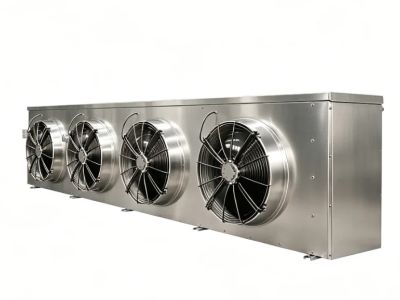
Cooling Capacity: Measured in tons or kilowatts, this indicates how much heat a chiller can remove from a space within a specific time frame. It’s essential to select a chiller with the right capacity to meet your cooling demands without overworking the system. For instance, REFRIGERATION UNITS can provide the necessary cooling for various applications.

Energy Efficiency Ratio (EER): This ratio indicates the efficiency of the chiller. A higher EER means lower energy consumption, which translates to reduced operational costs over time. Look for chillers that meet or exceed industry standards for energy efficiency.

Refrigerant Type: The choice of refrigerant can impact both the chiller price and environmental compliance. Ensure that the refrigerant used is suitable for your application and adheres to local regulations.

Build Quality and Materials: The durability of components, including the evaporator and condenser, plays a significant role in the chiller's lifespan and maintenance requirements. Stainless steel or coated materials may provide better resistance to corrosion.

Control Systems: Advanced control systems can enhance operational efficiency by adjusting the cooling output based on real-time demands. Look for chillers with automated controls that can be integrated into existing building management systems.

Frequently Asked Questions

What factors affect chiller price?

Chiller price depends on capacity, refrigerant type, efficiency rating, customization, control systems, installation complexity, and optional accessories such as heat recovery or remote monitoring.
Yes. We provide custom-engineered chiller systems with pricing based on project specs, cooling load, automation level, and site requirements.
Installation is typically quoted separately. We can include installation and commissioning in a package upon request and provide a detailed cost breakdown.
Yes. High-efficiency compressors, variable-speed drives, and advanced controls raise upfront cost but reduce operating expenses and lifecycle cost.
Standard warranty and optional extended service contracts are available. Pricing covers basic warranty; tailored maintenance plans and spare parts are quoted separately.

Our Blog Posts

how to set temperature in chiller

03

Nov

how to set temperature in chiller

Setting the correct temperature in a chiller is crucial for maintaining the quality and safety of sensitive products, especially in industries like food, pharmaceuticals, and logistics. This article will address key considerations for B2B buyers, inc...
View More
what does evaporator coil do

03

Nov

what does evaporator coil do

Understanding what an evaporator coil does is essential for anyone involved in the purchasing or maintenance of refrigeration systems. These coils play a crucial role in cooling processes by absorbing heat from the environment, making them indispensa...
View More
controlled atmosphere storage of fruits and vegetables

03

Nov

controlled atmosphere storage of fruits and vegetables

Controlled atmosphere storage of fruits and vegetables is a critical component in preserving the quality and extending the shelf life of produce. These specialized storage solutions regulate temperature, humidity, and gas composition to slow down rip...
View More
what are the methods of food preservation

03

Nov

what are the methods of food preservation

Food preservation is a critical process for maintaining the quality and safety of perishable items, especially in the food industry. Understanding what are the methods of food preservation can help businesses minimize waste, ensure product integrity,...
View More

Leave a Message

Email
Name
Company Name
Message
0/1000

Related product categories