Choosing the Right Air Condenser Unit for Your Business

Let's Discuss Your Needs

Every great collaboration starts with a friendly chat.
We're here to help you figure things out and find the best way forward.
Company Name
Name
Email
WhatsApp
Mobile

air condenser unit

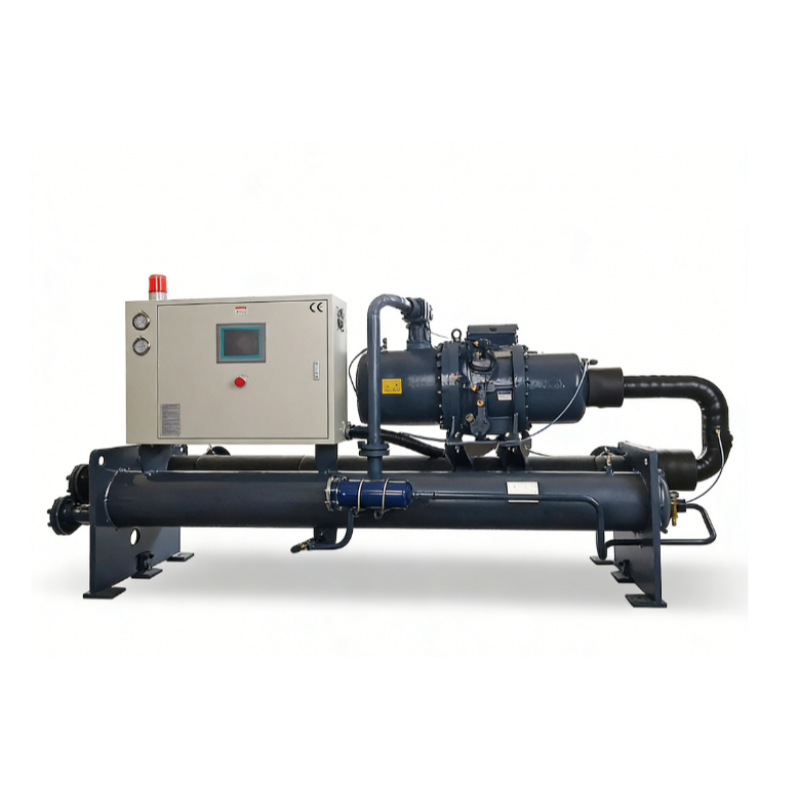
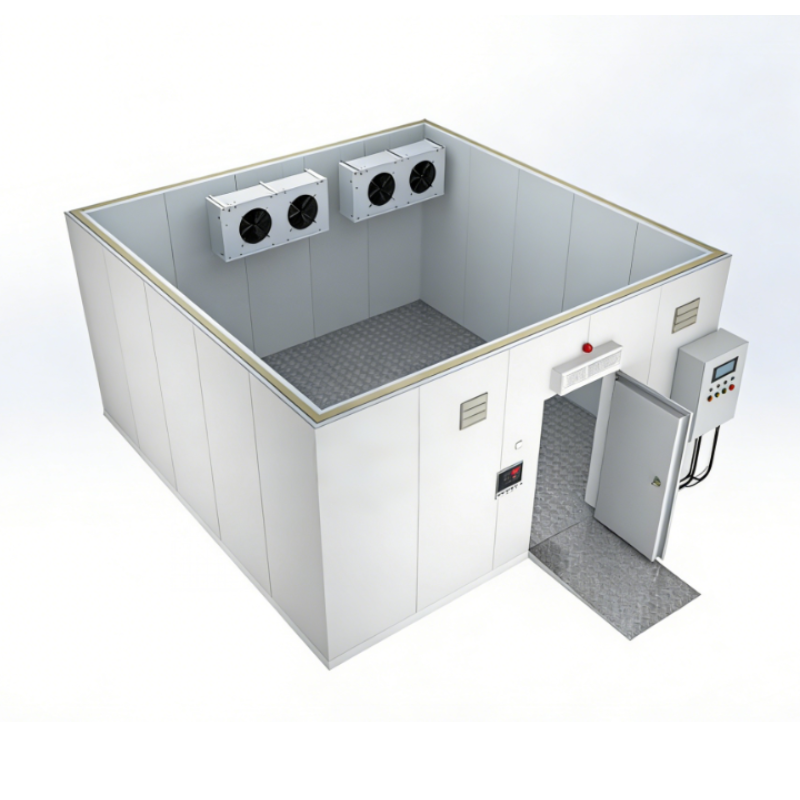
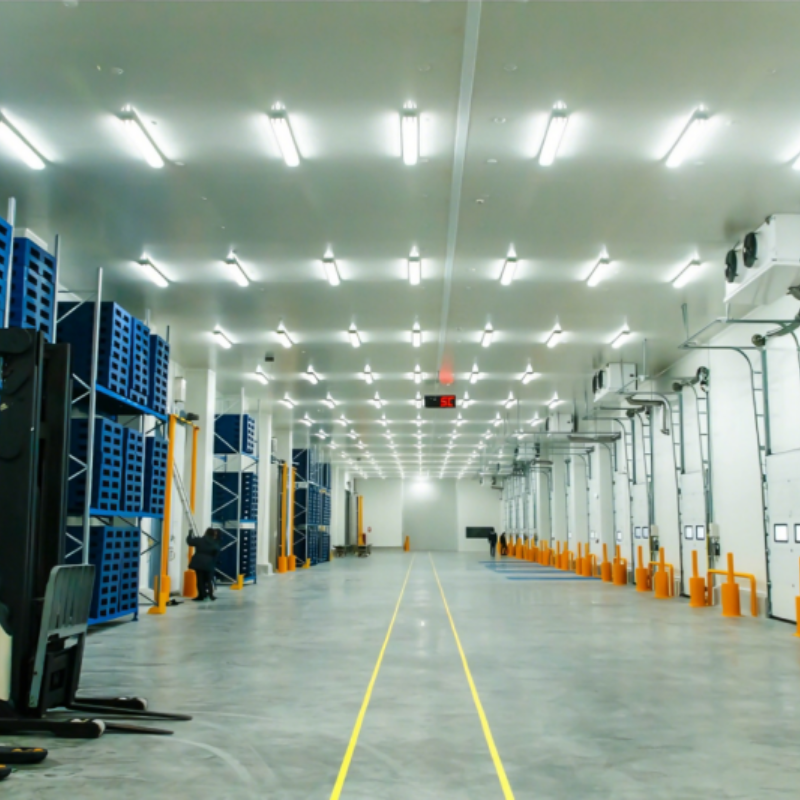
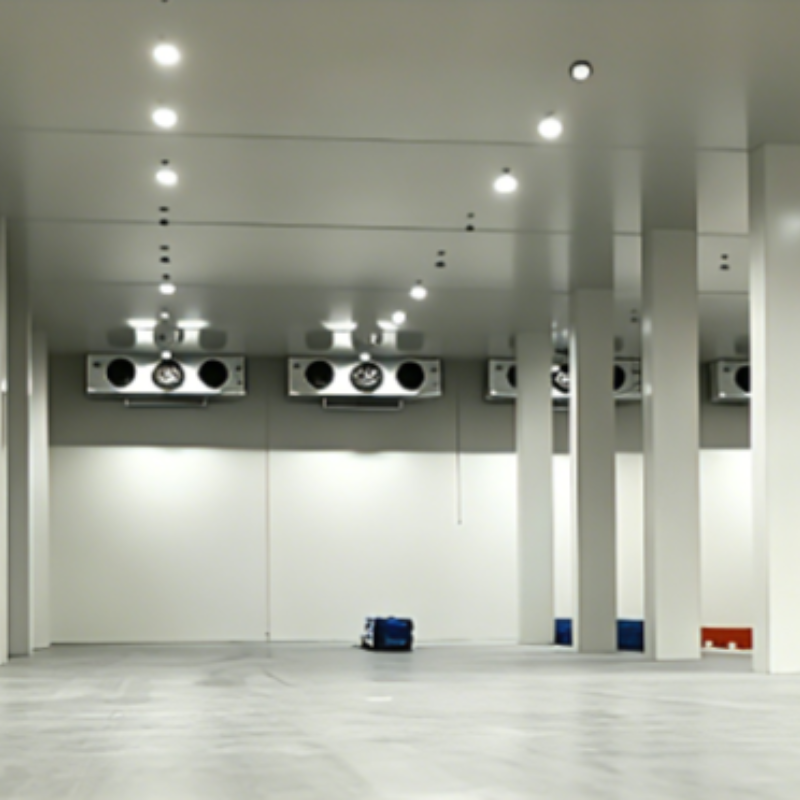
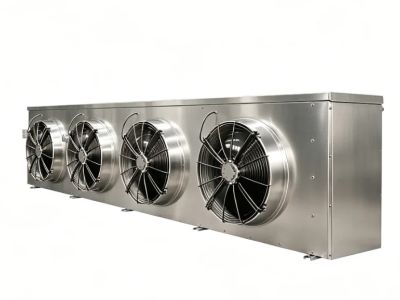
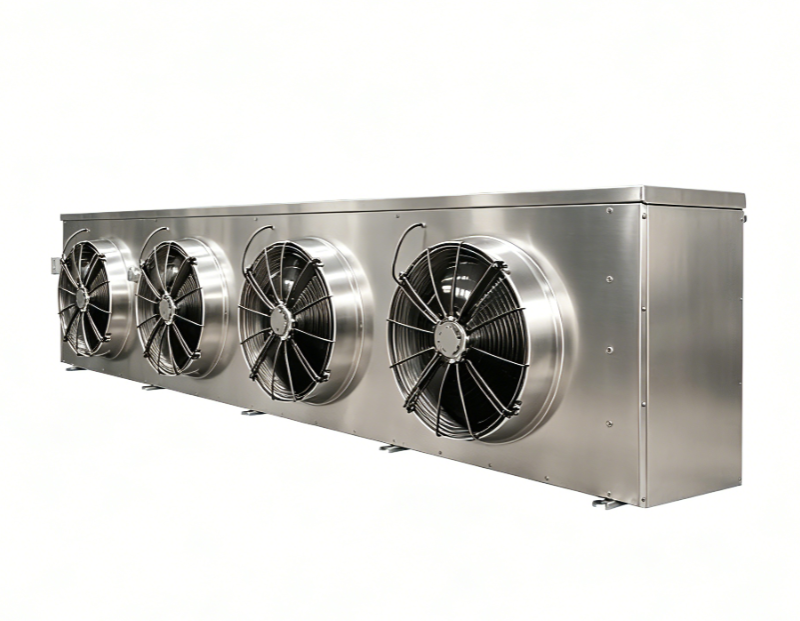
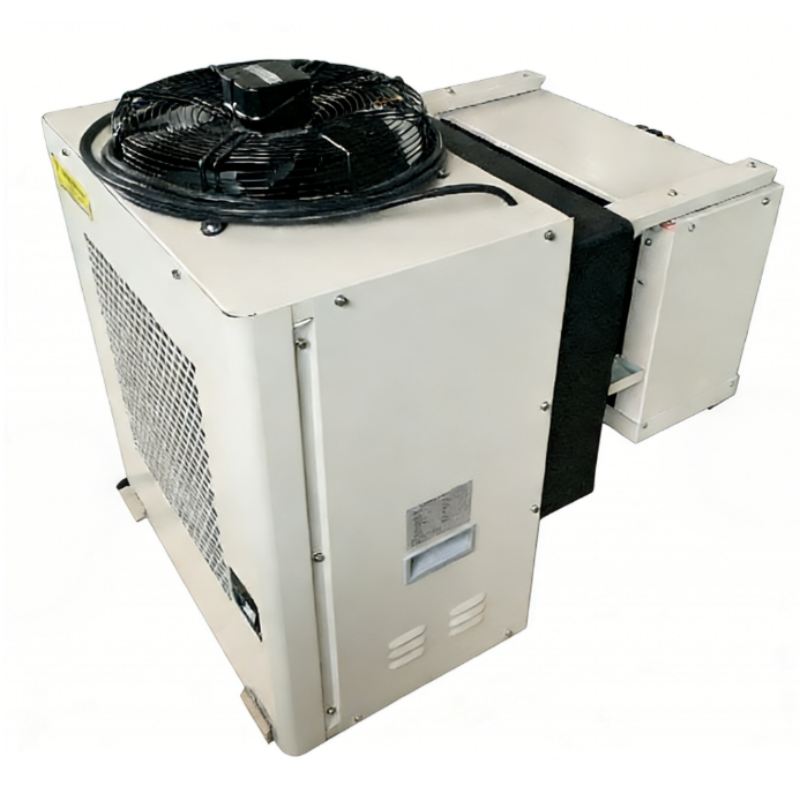
Choosing the right air condenser unit is crucial for businesses in various sectors, including food, pharmaceuticals, and logistics. These units play a vital role in maintaining optimal temperatures within cold storage systems, which can directly impact product quality and safety. For purchasing managers and engineers, understanding the specific needs of your operations, the technical specifications of air condenser units, and potential challenges can lead to better decision-making. This article aims to clarify these aspects and assist you in sourcing the right air condenser unit for your business.
Our Products

Key Specifications to Consider When Sourcing Air Condenser Units

Key Specifications to Consider When Sourcing Air Condenser Units

Several critical specifications should be considered when sourcing air condenser units:

Cooling Capacity: Measured in BTUs or kilowatts, this indicates how much heat the unit can remove from the environment. It's vital to match the unit's capacity with your cooling needs to avoid inefficiencies.

Energy Efficiency Ratio (EER): This measures the unit's efficiency and can significantly impact operational costs. Higher EER ratings generally indicate lower energy consumption for the same cooling output.

Compressor Type: Different compressors (reciprocating, scroll, rotary) offer various performance characteristics. Understanding the operational demands can help you select the most suitable type.

Operating Conditions: Consider the ambient temperature range where the unit will operate. Some units are designed for high ambient temperatures, while others perform better in cooler conditions.

Dimensions and Weight: Ensure the unit fits within your existing infrastructure. Space constraints may require specific dimensions or a lighter-weight model for easier installation.

Noise Level: For units installed in or near workspaces, noise levels should be considered to maintain a comfortable environment.

Understanding these specifications will help you evaluate different models more effectively and ensure they align with your operational needs.
Common Problems with Air Condenser Units and Effective Solutions

Common Problems with Air Condenser Units and Effective Solutions

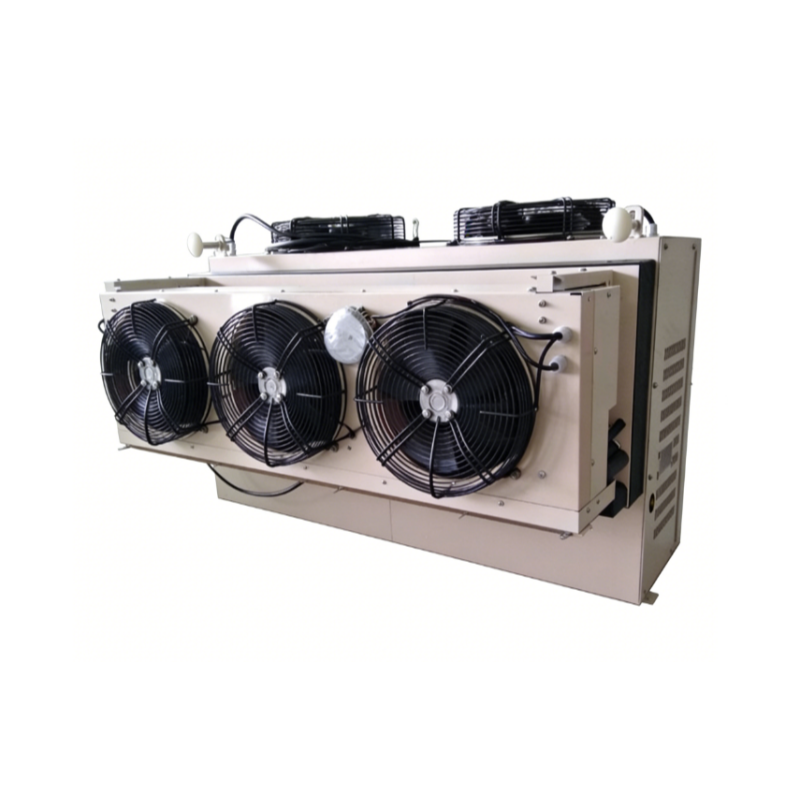
Air condenser units can face several common issues that may affect performance and reliability. Here are a few challenges and their solutions:

Inefficient Cooling: This can arise from improper sizing or dirty coils. Regular maintenance, including cleaning coils and checking refrigerant levels, can help maintain efficiency.

Refrigerant Leaks: Leaks can lead to reduced efficiency and environmental concerns. Regular inspections should be conducted to identify and repair leaks promptly.

Noise Issues: Excessive noise can result from loose components or failing fans. Regular checks and maintenance can help identify the source of noise and rectify it before it becomes a larger issue.

Electrical Failures: These can be caused by improper wiring or component failure. Ensuring that installation is performed by a qualified technician can minimize these risks.

Frost Buildup: This typically occurs due to low refrigerant levels or restricted airflow. Addressing airflow issues and ensuring the refrigerant is at optimal levels can prevent frost buildup.

By being aware of these issues and implementing regular maintenance protocols, businesses can enhance the longevity and performance of their air condenser units.

What You Need to Know for Purchase

What You Need to Know for Purchase

Before making a purchase, there are several key pieces of information that suppliers typically require:

Application Details: Specify the intended use and environment of the air condenser unit. This helps the manufacturer recommend the most suitable options.

Cooling Capacity Requirements: Provide details about the volume of space to be cooled and the desired temperature range.

Customization Needs: If specific modifications are necessary, outline these requirements clearly. Custom solutions can enhance performance and efficiency.

Budget Considerations: Be upfront about your budget to enable suppliers to recommend options that meet both your performance and financial criteria.

Delivery and Installation Requirements: Clarify logistical details, including delivery timelines and installation needs, to ensure smooth acquisition and setup of the unit.

Having this information ready when contacting suppliers can streamline the purchasing process and help you receive accurate quotations.

Understanding the Cost Factors of Air Condenser Units for Buyers

The cost of air condenser units can vary significantly based on several factors:

Specifications and Features: Units with higher capacities, improved energy efficiency, or advanced technology tend to be priced higher. Evaluate which features are essential for your operations to avoid overspending.

Customization: Tailored solutions may come at a premium. Consider whether customization is necessary or if standard models can meet your needs.

Brand Reputation: Established manufacturers may charge more due to their proven reliability and quality. Researching suppliers can help you find a balance between quality and cost.

Shipping and Installation: Don’t overlook these additional costs. Ensure to include them in your overall budget to avoid unexpected expenses.

Maintenance and Operating Costs: Consider the long-term operational expenses, including energy consumption and maintenance, as these can impact the total cost of ownership.

By understanding these cost factors, buyers can make informed decisions that align with both their budget and operational requirements.

Choosing the Right Air Condenser Unit for Your Business Needs

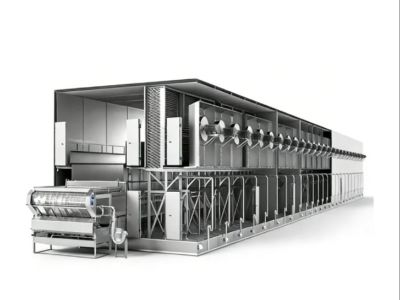
When selecting an air condenser unit, it's essential to consider the specific application and operational requirements. Different industries have varying cooling demands; for instance, pharmaceutical storage requires precise temperature control, while food storage needs may focus more on energy efficiency and reliability. In addition, utilizing equipment such as a Tunnel Freezer can significantly enhance your cooling processes.

Key factors to evaluate include the capacity of the unit, which should align with your storage volume and temperature requirements. Additionally, consider the type of refrigerant used, as this can affect both performance and environmental compliance. For example, units utilizing hydrofluorocarbons (HFCs) may face stricter regulations in some regions compared to those using natural refrigerants.

Customization capabilities are also vital. Shanghai Zhaoxue Refrigeration Co., Ltd. offers tailored solutions that can adapt to specific operational needs, ensuring optimal performance and efficiency. Consulting with your manufacturer about your unique requirements can help you identify the best unit, such as considering options like Self-stacking Spiral Freezers for enhanced efficiency.

Frequently Asked Questions

What is an air condenser unit used for?

An air condenser unit removes heat from refrigeration systems to condense refrigerant, enabling cooling in cold rooms, freezers, and ice machines used in food, pharma, and logistics applications.
We offer custom-engineered units across a wide capacity range to match small walk-ins to large cold storage facilities; capacity is specified during system design based on load calculations.
Yes. Units are designed for high efficiency with optimized compressors, fans, and control logic to reduce power use and operating costs in automated cold storage applications.
Absolutely. Our air condenser units are built for seamless integration with PLC and BMS controls to support scheduled operation, remote monitoring, and automated refrigeration sequences.
Routine maintenance includes coil cleaning, fan and refrigerant checks. We provide maintenance guidelines, spare parts, and global technical support for installation and service.

Our Blog Posts

how to set temperature in chiller

03

Nov

how to set temperature in chiller

Setting the correct temperature in a chiller is crucial for maintaining the quality and safety of sensitive products, especially in industries like food, pharmaceuticals, and logistics. This article will address key considerations for B2B buyers, inc...
View More
what does evaporator coil do

03

Nov

what does evaporator coil do

Understanding what an evaporator coil does is essential for anyone involved in the purchasing or maintenance of refrigeration systems. These coils play a crucial role in cooling processes by absorbing heat from the environment, making them indispensa...
View More
controlled atmosphere storage of fruits and vegetables

03

Nov

controlled atmosphere storage of fruits and vegetables

Controlled atmosphere storage of fruits and vegetables is a critical component in preserving the quality and extending the shelf life of produce. These specialized storage solutions regulate temperature, humidity, and gas composition to slow down rip...
View More
what are the advantages of food preservation

03

Nov

what are the advantages of food preservation

Food preservation is a critical process that extends the shelf life of perishable goods such as fruits, vegetables, meats, and dairy products. Understanding the advantages of food preservation can greatly benefit businesses in the food industry, incl...
View More

Leave a Message

Email
Name
Company Name
Message
0/1000

Related product categories