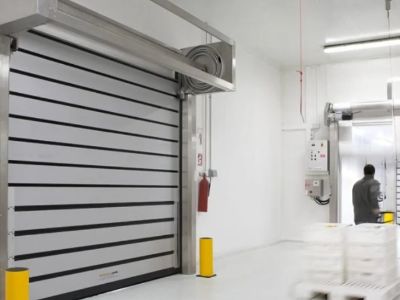
Key Specifications for Insulated Cold Storage Panels

Let's Discuss Your Needs

Every great collaboration starts with a friendly chat.
We're here to help you figure things out and find the best way forward.
Company Name
Name
Email
WhatsApp
Mobile

insulated cold storage panels

Insulated cold storage panels are essential components in the construction of cold storage rooms, freezers, and other refrigeration systems. These panels provide thermal insulation, ensuring that temperature-sensitive products—such as food, pharmaceuticals, and logistics items—are stored under optimal conditions. Buyers often face concerns regarding efficiency, cost-effectiveness, and durability when sourcing insulated cold storage panels. This article aims to provide a comprehensive understanding of the key specifications, cost factors, installation challenges, and tips for finding reliable suppliers in the market.

What Buyers Need to Know

B2B buyers should be well-prepared when sourcing insulated cold storage panels. Here are essential considerations:

Application Requirements: Identify the specific needs of the cold storage application. For instance, food storage has different temperature and hygiene requirements compared to pharmaceutical storage, which may need stricter compliance with health regulations.

Customization Options: Many manufacturers, like Shanghai Zhaoxue Refrigeration Co., Ltd., offer customization to meet specific project needs. Buyers should inquire about available customization options, including panel thickness, dimensions, and insulation materials. Solutions like Self-stacking Spiral Freezers can be part of this customization.

Lead Time and MOQ: Minimum order quantities (MOQ) and lead times vary between suppliers. It's critical to discuss these factors upfront, especially if the project timeline is tight.

Quality Assurance Processes: Understanding a supplier's quality control measures is vital. Buyers should inquire about testing methods, certifications, and quality assurance processes to ensure the panels meet required specifications consistently.

Installation Support: Determine if the supplier provides installation guidance or services. Proper installation is crucial for the panels to perform effectively, so having access to expert advice can mitigate potential installation challenges.

Warranty and Support: A robust warranty can provide peace of mind regarding the product's longevity and performance. Buyers should clarify warranty terms and what support is available in case of issues.

By addressing these key points, buyers can streamline their sourcing process and ensure they select the right insulated cold storage panels for their needs.
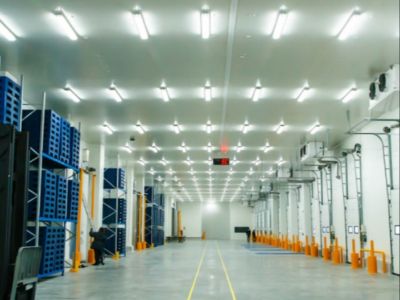
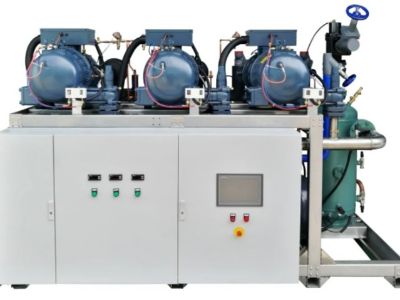
Cost Factors When Sourcing Insulated Cold Storage Panels Wholesale

Cost is a significant factor when sourcing insulated cold storage panels. Several variables influence pricing:

Material Selection: The choice of insulation material directly impacts cost. Polyurethane panels, while more expensive, may offer better insulation and energy savings over time compared to polystyrene.

Panel Thickness and Dimensions: Thicker panels and custom dimensions typically result in higher costs. Buyers should balance their budget with the required performance standards.

Customization: Custom-engineered solutions can increase costs due to the additional design and manufacturing processes involved. Ensure that any customizations are justified by specific application needs.

Quantity: Bulk purchases often lead to lower per-unit costs. Understanding MOQs can help buyers negotiate better pricing, especially for large projects.

Shipping and Handling: Logistics costs can add significantly to the overall expense. Buyers should factor in shipping costs, especially for large panel orders that may require special handling.

Supplier Reputation and Quality: Established suppliers with a strong reputation may charge more due to the assurance of quality and reliability. Investing in a reputable supplier can save costs long-term by reducing the risk of defects or failures.

By carefully considering these cost factors, buyers can make more informed decisions that align with their budget while still meeting quality and performance standards.

Common Installation Challenges with Insulated Cold Storage Panels and Solutions

Installing insulated cold storage panels can present several challenges, but understanding them can help mitigate issues:

Alignment and Fit: Ensuring that panels fit correctly is vital for optimal insulation. Misalignment can lead to air leaks and increased energy costs. Buyers should ensure that the dimensions are precise and consider pre-assembly checks.

Solution: Conduct a thorough site survey before installation to confirm dimensions and adjust any discrepancies in the installation area.

Sealing Issues: Improper sealing can compromise the thermal efficiency of the panels. Gaps or poorly sealed joints can lead to temperature fluctuations.

Solution: Use high-quality sealing materials and follow the manufacturer’s guidelines for joint sealing. Regular inspections during and after installation can help identify any issues early.

Weight Management: Some panels can be heavy, making handling and installation difficult. This can lead to safety concerns and potential damage to the panels.

Solution: Utilize proper lifting equipment and ensure that the installation team is trained in handling heavy materials to prevent accidents.

Environmental Conditions: Factors like humidity and temperature can affect the installation process and the performance of the panels.

Solution: Plan installations during favorable weather conditions, and store panels in controlled environments to maintain quality before installation.

By recognizing these common challenges and implementing practical solutions, buyers can facilitate a smoother installation process and enhance the performance of their cold storage systems.

Where to Find Reliable Suppliers of Insulated Cold Storage Panels

Finding trustworthy suppliers for insulated cold storage panels is crucial for ensuring quality and reliability. Here are some strategies:

Industry Directories and Trade Shows: Utilize industry-specific directories and attend trade shows to connect with reputable manufacturers and suppliers. These events offer opportunities to see products firsthand and engage directly with manufacturers.

Online Research: Conduct thorough research online to identify potential suppliers. Look for customer reviews, case studies, and testimonials to gauge the supplier's reputation. Websites like Alibaba or specific B2B marketplaces can provide insights into various manufacturers.

Networking: Leverage industry networks and associations to gather recommendations for suppliers. Engaging with peers can provide valuable insights into reliable sources based on shared experiences.

Request Samples: Before making a large order, request samples to assess the quality of materials and construction. This hands-on evaluation can help confirm that the supplier meets your specifications.

Evaluate Certifications and Compliance: Ensure that potential suppliers comply with industry standards and possess relevant certifications. This is especially important in sectors like food and pharmaceuticals, where regulatory compliance is critical.

Discuss Custom Capabilities: Engage with suppliers to understand their customization capabilities. Finding a supplier that can tailor products to specific needs can provide added value and ensure better performance. For instance, consider options like Containerized Cold Room for more tailored solutions.

By applying these strategies, buyers can enhance their chances of finding reliable suppliers of insulated cold storage panels that meet their quality and performance needs.

Key Specifications to Consider for Insulated Cold Storage Panels

When selecting insulated cold storage panels, several key specifications should be prioritized:

Material Composition: Panels are typically made from materials like polyurethane, polystyrene, or fiberglass. Polyurethane offers superior insulation properties, making it ideal for maintaining low temperatures, while polystyrene is often more cost-effective but may not provide the same level of thermal resistance.

Thickness: The thickness of the panel impacts its insulation value (R-value). A higher R-value means better thermal resistance. Depending on the application, the thickness may vary; typically, a 4-6 inch thickness is common for cold storage applications.

Dimensions: Standard panel sizes can vary, but custom dimensions may be necessary based on the design of the cold storage facility. It's essential to confirm dimensions to ensure proper fit during installation.

Sealing and Joint Design: Proper sealing mechanisms, such as tongue-and-groove joints or interlocking designs, enhance thermal efficiency and prevent air leaks. Buyers should check the sealing methods to ensure they align with their operational needs.

Load-Bearing Capacity: Depending on the intended use, the panels must support specific loads, including shelves and equipment. Understanding the load requirements ensures that the panels will withstand daily operations without compromising structural integrity.

Fire Resistance and Compliance: Depending on local regulations, fire ratings may be critical. Ensure that the panels meet relevant safety standards and certifications.

Understanding these specifications helps buyers make informed decisions that align with their operational requirements and project goals. Additionally, considering options like Tunnel Freezer can enhance overall efficiency in cold storage setups.

Frequently Asked Questions

What are insulated cold storage panels used for?

They form walls, ceilings, and floors of cold rooms and freezers to maintain uniform temperatures for food, pharma, and logistics applications.
We offer polyurethane and PIR core panels with high thermal resistance, low moisture absorption, and long service life.
Yes. We provide custom-engineered panels in various sizes, thicknesses, and joint types to integrate with automated systems.
Tight joints, high-R-value cores, and precision manufacturing reduce heat gain and compressor runtime, lowering energy use.
We provide professional installation guidance, on-site support, and maintenance advice to ensure sealing integrity and long-term performance.

Our Blog Posts

how to set temperature in chiller

03

Nov

how to set temperature in chiller

Setting the correct temperature in a chiller is crucial for maintaining the quality and safety of sensitive products, especially in industries like food, pharmaceuticals, and logistics. This article will address key considerations for B2B buyers, inc...
View More
how to clean condensing unit

03

Nov

how to clean condensing unit

Cleaning a condensing unit is essential for maintaining the efficiency and longevity of refrigeration systems, particularly in industries like food processing, pharmaceuticals, and logistics. Proper cleaning helps prevent malfunctions, reduces energy...
View More
what are the methods of food preservation

03

Nov

what are the methods of food preservation

Food preservation is a critical process for maintaining the quality and safety of perishable items, especially in the food industry. Understanding what are the methods of food preservation can help businesses minimize waste, ensure product integrity,...
View More
what are the advantages of food preservation

03

Nov

what are the advantages of food preservation

Food preservation is a critical process that extends the shelf life of perishable goods such as fruits, vegetables, meats, and dairy products. Understanding the advantages of food preservation can greatly benefit businesses in the food industry, incl...
View More

Leave a Message

Email
Name
Company Name
Message
0/1000

Related product categories