Choosing the Right Evaporator for Cold Storage

Let's Discuss Your Needs

Every great collaboration starts with a friendly chat.
We're here to help you figure things out and find the best way forward.
Company Name
Name
Email
WhatsApp
Mobile

evaporator

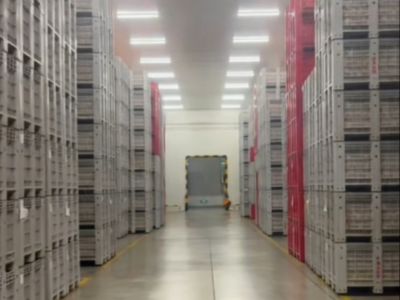
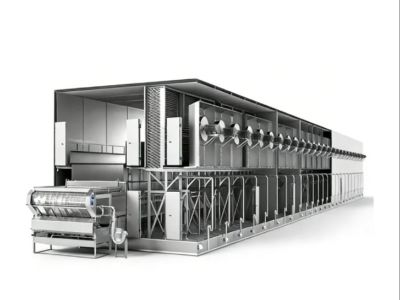
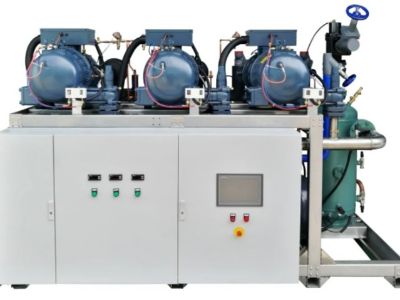
Choosing the right evaporator for your cold storage needs is crucial for maintaining product quality and operational efficiency. Evaporators play a vital role in refrigeration systems, facilitating heat transfer to keep environments at optimal temperatures for food, pharmaceuticals, and other perishable goods. This article addresses key buyer concerns regarding evaporator selection, cost factors, supplier reliability, and customization options, providing practical insights to help you make informed purchasing decisions. For optimal performance in cold environments, consider investing in REFRIGERATION UNITS that can enhance your overall system efficiency.

Understanding the Cost Factors for Bulk Orders of Evaporators

Pricing for evaporators can vary significantly based on several factors. Understanding these elements can help you make a more informed purchasing decision.

Material Costs: The choice of materials directly impacts the price. Stainless steel and specialized alloys may be more expensive than standard materials but can offer enhanced durability and efficiency.

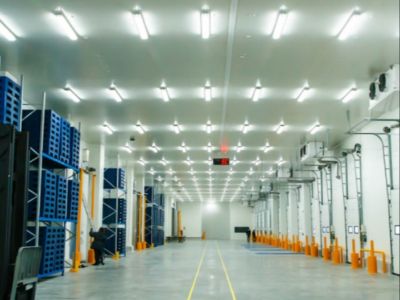
Customization: Custom-engineered evaporators designed to meet specific operational requirements usually come at a premium. However, they can enhance efficiency and performance, leading to long-term savings. Look for suppliers that can provide Cold Room solutions tailored to your needs.

Production Volume: Bulk orders often qualify for discounts, but minimum order quantities (MOQ) and lead times must be considered. Manufacturers might offer tiered pricing based on order size, so it’s beneficial to evaluate your needs carefully.

Shipping and Handling: Depending on your location and the supplier's shipping policies, transportation costs can also affect the total price. Ensure you account for these in your budget.

Warranty and Support: The inclusion of warranties and post-purchase support may also influence pricing. Reliable suppliers often provide extended warranties on their products, which can offer peace of mind.
What to Look for in a Reliable Evaporator Supplier

Selecting a trustworthy evaporator supplier is essential for ensuring product quality and reliable service. Here are key factors to consider:

Experience and Reputation: Look for suppliers with a proven track record in the industry. Check customer reviews and case studies that showcase their previous projects, particularly in your application area.

Quality Certifications: Verify if the manufacturer holds relevant quality certifications, such as ISO or CE, which indicate adherence to industry standards. This can be a good indicator of the quality and reliability of the products.

Customization Capabilities: A supplier that offers customization can better meet your specific needs. Discuss your requirements and see how flexible they are in terms of design and specifications.

Post-Sale Support: Evaluate the level of customer service provided. A reliable supplier should offer technical support, troubleshooting, and maintenance services after the initial sale.

Lead Time and Delivery: Ensure the supplier can meet your timeline requirements. Communicating your needs early can help avoid delays in production and shipment.

A Buyeru2019s Guide

When preparing to purchase an evaporator, it’s important to gather the necessary information and documentation. Here’s a checklist to guide you through the RFQ (Request for Quotation) process:

Product Type: Specify the type of evaporator you need based on your application.Technical Specifications: Provide detailed technical requirements, including capacity, refrigerant type, and any special features needed.Quantities: Indicate the quantity required and whether bulk pricing is desired.Customization Requirements: Note any specific customization needs, such as dimensions or materials.Delivery Information: Include your delivery location to assess shipping costs and lead times.Artwork and Technical Drawings: If applicable, provide technical drawings or artwork that can help suppliers understand your specifications better.Sample Approval: Consider requesting a sample for approval before proceeding to mass production to ensure that the final product meets your expectations.

The Advantages of Custom-Engineered Evaporators for Your Projects

Custom-engineered evaporators offer several advantages that can significantly enhance your operations:

Tailored Performance: Custom designs can be engineered to meet specific thermal load requirements and environmental conditions, ensuring optimal performance.

Space Optimization: A custom evaporator can be designed to fit precisely within your available space, maximizing efficiency and minimizing wasted space.

Energy Efficiency: By optimizing the design for your unique application, custom evaporators can enhance energy efficiency, potentially leading to lower operating costs over time.

Integration with Existing Systems: Custom evaporators can be designed to seamlessly integrate with your existing infrastructure, reducing installation challenges and downtime.

Enhanced Reliability: Working with a reputable manufacturer like Shanghai Zhaoxue Refrigeration Co., Ltd. ensures that your custom evaporators are built to high standards, contributing to long-term reliability and reduced maintenance needs.

By understanding the critical factors in selecting the right evaporator, evaluating cost considerations, and selecting a reliable supplier, you can make an informed decision that supports your operational goals.

How to Choose the Right Evaporator for Your Cold Storage Needs

When selecting an evaporator, consider factors such as the type of refrigerant, application requirements, and the operating environment. Evaporators come in various designs, including plate, shell-and-tube, and finned-tube heat exchangers, each suited for specific temperature ranges and product storage conditions.

Type of Evaporator: Determine whether a direct expansion (DX) evaporator or a flooded evaporator is more suitable for your application. DX evaporators are typically more efficient for smaller systems, while flooded evaporators may be better for larger cold storage facilities due to their ability to handle higher capacities.

Capacity and Size: Assess the cooling load required for your specific application. The evaporator should match your system's capacity to ensure efficient operation. Oversizing can lead to higher energy costs, while undersizing can compromise temperature control.

Material and Construction: Choose materials that can withstand the specific conditions of your environment. Stainless steel is often preferred for its corrosion resistance, especially in food processing applications, while aluminum may be adequate for less demanding environments.

Energy Efficiency: Look for evaporators designed to maximize energy efficiency. Features like enhanced heat exchange surfaces can improve performance and lower operational costs. Consider integrating ICE MACHINE technology for better freezing performance.

Maintenance Needs: Consider the maintenance requirements associated with different types of evaporators. Some designs may require more frequent cleaning or servicing, which can impact your operational downtime.

Frequently Asked Questions

What types of evaporators do you offer?

We supply plate, finned-tube, and coil evaporators tailored for cold rooms, freezers, and ice machines with options for stainless steel or aluminized construction.
Yes. We custom-engineer size, capacity, mounting, and controls to integrate with your cold storage, freezer, or automated system.
Our evaporators support common refrigerants including R134a, R404A, R448A, R449A, R513A, ammonia, and low-GWP alternatives on request.
We optimize coil design, airflow, and defrost strategy, and match evaporator capacity to site load for reduced energy use and stable temperatures.
We offer installation guidance, preventive maintenance plans, cleaning, coil inspection, and replacement parts to maximize longevity and uptime.

Our Blog Posts

how to set temperature in chiller

03

Nov

how to set temperature in chiller

Setting the correct temperature in a chiller is crucial for maintaining the quality and safety of sensitive products, especially in industries like food, pharmaceuticals, and logistics. This article will address key considerations for B2B buyers, inc...
View More
how to clean condensing unit

03

Nov

how to clean condensing unit

Cleaning a condensing unit is essential for maintaining the efficiency and longevity of refrigeration systems, particularly in industries like food processing, pharmaceuticals, and logistics. Proper cleaning helps prevent malfunctions, reduces energy...
View More
controlled atmosphere storage of fruits and vegetables

03

Nov

controlled atmosphere storage of fruits and vegetables

Controlled atmosphere storage of fruits and vegetables is a critical component in preserving the quality and extending the shelf life of produce. These specialized storage solutions regulate temperature, humidity, and gas composition to slow down rip...
View More
what are the advantages of food preservation

03

Nov

what are the advantages of food preservation

Food preservation is a critical process that extends the shelf life of perishable goods such as fruits, vegetables, meats, and dairy products. Understanding the advantages of food preservation can greatly benefit businesses in the food industry, incl...
View More

Leave a Message

Email
Name
Company Name
Message
0/1000

Related product categories