Mobile Chillers for Sale: A Buyer's Guide

Let's Discuss Your Needs

Every great collaboration starts with a friendly chat.
We're here to help you figure things out and find the best way forward.
Company Name
Name
Email
WhatsApp
Mobile

mobile chillers for sale

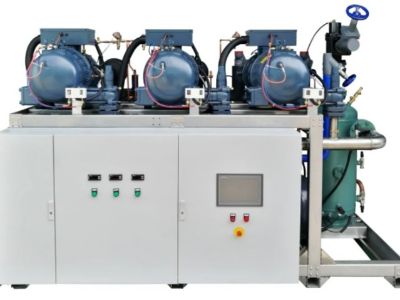
Mobile chillers are essential equipment for maintaining the temperature of perishable goods during transport and storage. When looking for mobile chillers for sale, B2B buyers need to consider factors such as energy efficiency, capacity, and specific application needs. This article will guide you through the crucial aspects of selecting mobile chillers, including key considerations, cost factors, applications across various industries, installation guidance, and common issues along with their solutions.

Where to Find Reliable Suppliers for Mobile Chillers

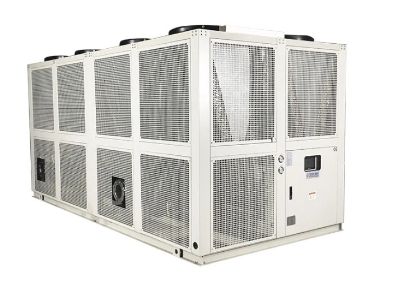
The price of mobile chillers can vary widely based on several factors. Understanding these can help you make a more informed purchasing decision:

Specifications: Higher specifications generally lead to higher costs. Features like advanced insulation, digital controls, and high-capacity compressors can increase the price.

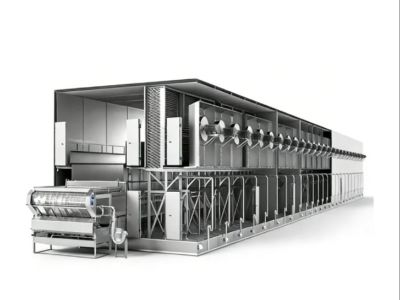
Customization: Many suppliers offer customization options, which can impact pricing. Tailoring a unit’s size, features, or materials to fit specific needs might incur additional costs. For example, a Self-stacking Spiral Freezer can be customized to meet unique operational demands.

Volume Discounts: Purchasing in bulk typically allows for significant discounts. Suppliers often have minimum order quantities (MOQs) that can affect overall pricing.

Shipping and Handling: Consider shipping costs when evaluating total expenses. Mobile chillers can be bulky and may require special handling, which can add to the overall cost.

Warranty and Support: A robust warranty can reflect the manufacturer's confidence in their product but may also affect the price. Additionally, after-sales support services could be factored into the total cost.
Cost Factors to Keep in Mind for Bulk Mobile Chiller Orders

Mobile chillers serve a diverse range of applications across multiple industries, highlighting their versatility:

Food and Beverage: In the food industry, mobile chillers are crucial for transporting perishable items like meat, dairy, and produce. They help maintain quality and safety during delivery.

Pharmaceuticals: For pharmaceutical companies, mobile chillers are essential for transporting temperature-sensitive medications and vaccines. Precise temperature control is vital to ensure efficacy.

Logistics and Shipping: In logistics, mobile chillers facilitate the safe transport of goods that require specific climate conditions. They are invaluable for maintaining product integrity throughout the supply chain.

Event Management: Catering services often use mobile chillers to keep food and beverages at safe temperatures during events, ensuring quality and compliance with health regulations.

Installation Guidance for Efficient Use of Mobile Chillers

Proper installation is critical for the effective operation of mobile chillers. Here are some key steps to ensure a successful setup:

Site Assessment: Before installation, evaluate the site where the chiller will be used. Ensure adequate space is available and that it is suitable for the chiller’s operational needs, including power supply and ventilation.

Power Requirements: Check the power specifications of the chiller and ensure that the necessary electrical supply is available. This includes voltage and amperage specifications that should be compatible with your facility’s infrastructure.

Leveling the Chiller: Ensure the chiller is placed on a level surface. Uneven surfaces can affect performance and lead to potential operational issues.

Temperature Calibration: After installation, calibrate the temperature settings according to the products being stored. This step is essential to maintain optimal conditions.

Regular Maintenance: Schedule regular maintenance checks to ensure that the chiller operates efficiently over time. This should include inspecting seals, cleaning coils, and checking coolant levels.

Common Problems with Mobile Chillers and Their Solutions

Despite their robust design, mobile chillers can encounter issues. Here are some common problems along with practical solutions:

Temperature Fluctuations: If the chiller fails to maintain the desired temperature, check the door seals for any leaks. Damaged seals can allow cold air to escape, leading to inefficiencies.

Noise Levels: If the unit operates noisily, this could indicate a problem with the compressor or fan. Regular maintenance and cleaning can often resolve these issues.

Condensation Build-Up: Excess moisture can lead to condensation inside the chiller. Ensure the unit is well-ventilated and that humidity levels are monitored to prevent product spoilage.

Electrical Issues: Frequent tripping of circuits or power disruptions may indicate electrical faults. Consulting with a qualified electrician can help identify wiring issues or the need for a dedicated power supply.

By understanding these factors and issues, you can make an informed decision when purchasing mobile chillers for sale, ensuring that you select the right equipment for your business needs.

A Buyeru2019s Guide

When selecting mobile chillers, several key factors must be taken into account to ensure the equipment meets your operational requirements effectively:

Capacity: Determine the volume of products you need to store. Mobile chillers come in various sizes, and selecting one that aligns with your storage needs is crucial for efficiency.

Temperature Range: Depending on the type of goods you're transporting, you'll need to verify the temperature range the chiller can maintain. Some products may require specific temperature controls, which should be confirmed before purchasing.

Energy Efficiency: Look for chillers designed with energy-efficient technologies. An efficient unit will not only reduce operational costs but also minimize environmental impact, which is becoming increasingly important in B2B transactions.

Mobility Features: Assess the design and mobility of the chillers. Features such as wheels, handles, and lightweight materials can greatly enhance usability, especially in dynamic environments like warehouses or food trucks. For instance, models like the Tunnel Freezer are designed with such mobility features in mind.

Durability and Construction: Consider materials used in the construction of the chillers. Stainless steel or high-quality plastics can offer better longevity and performance, especially in rugged environments.

Regulatory Compliance: Ensure that the chillers comply with local regulations and industry standards, particularly if they will be used in food or pharmaceutical applications.

Frequently Asked Questions

What are mobile chillers for sale from your company?

Portable refrigeration units designed for temporary or relocatable cold storage, custom-engineered for food, pharma, and logistics with energy-efficient components and automated controls.
Yes. We provide custom engineering—temperature range, size, insulation, controls, and automation tailored to your product, throughput, and site requirements.
Ranges vary by model but typically cover refrigerated (+2°C to +8°C), low-temp (down to -20°C), and freeze settings. Exact ranges are specified per custom design.
Units use efficient compressors, optimized insulation, and smart controls for load management. Automation options include remote monitoring, alarms, and integration with facility systems.
We offer site assessment, installation guidance, commissioning, operator training, spare parts, and global technical support to ensure reliable operation and maintenance.

Our Blog Posts

what is a chiller used for

03

Nov

what is a chiller used for

Industrial chillers are critical components in various sectors, providing precise temperature control for a range of applications. Understanding what a energy-efficient chillers is used for can greatly influence purchasing decisions for business...
View More
what is the standard temperature of chiller

03

Nov

what is the standard temperature of chiller

Understanding the standard temperature of chillers is crucial for multiple industries, including food, pharmaceuticals, and logistics. This article dives into the specifics of what is the standard temperature of a energy-efficient chillers, addressin...
View More
how to clean condensing unit

03

Nov

how to clean condensing unit

Cleaning a condensing unit is essential for maintaining the efficiency and longevity of refrigeration systems, particularly in industries like food processing, pharmaceuticals, and logistics. Proper cleaning helps prevent malfunctions, reduces energy...
View More
what are the advantages of food preservation

03

Nov

what are the advantages of food preservation

Food preservation is a critical process that extends the shelf life of perishable goods such as fruits, vegetables, meats, and dairy products. Understanding the advantages of food preservation can greatly benefit businesses in the food industry, incl...
View More

Leave a Message

Email
Name
Company Name
Message
0/1000

Related product categories