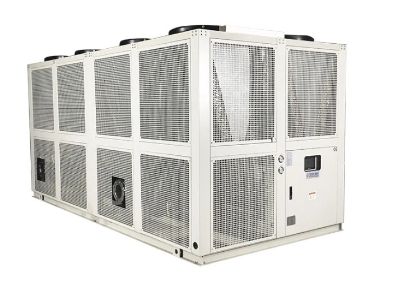
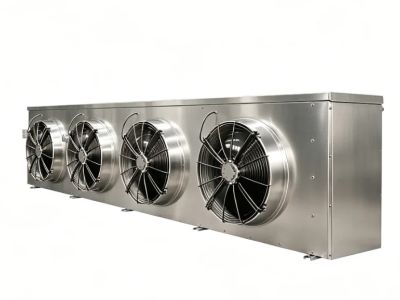
Energy-Efficient Cool Room Panels for Sale

Let's Discuss Your Needs

Every great collaboration starts with a friendly chat.
We're here to help you figure things out and find the best way forward.
Company Name
Name
Email
WhatsApp
Mobile

cool room panels for sale

Choosing the right cool room panels for sale is crucial for ensuring efficient temperature control and energy savings in cold storage applications. As a B2B buyer, you may have concerns about product specifications, installation requirements, and long-term benefits. This article will guide you through the essential factors to consider when selecting cool room panels, comparing their specifications, installation guidance, applications in various industries, and the advantages of energy-efficient options.

How to Compare Cool Room Panel Specifications for Your Projec

To effectively compare cool room panel specifications, create a checklist that includes the following key criteria:

Insulation Value (R-Value): This measures the panel's thermal resistance. A higher R-value indicates better insulation, which can lead to reduced energy costs.

Dimensions and Thickness: Confirm that the panel sizes match your design requirements. Common thicknesses range from 50mm to 200mm, depending on the intended use.

Material Composition: Polyurethane panels generally have a higher insulation value than polystyrene. Evaluate the pros and cons of each material based on your specific application.

Weight and Load-Bearing Capacity: Ensure the panels can support the intended loads, especially in high-traffic areas or where heavy equipment will be used.

Sealing Mechanisms: Look for panels with robust sealing systems to minimize air leakage. This is critical for maintaining temperature and reducing energy costs.

By carefully comparing these specifications, you can make an informed decision that aligns with your operational needs and budget.
Installation Guidance for Efficient Cool Room Panels Setup

Proper installation of cool room panels is essential for maximizing their performance. Here are some key steps to follow during installation:

Preparation of the Site: Ensure that the area where the panels will be installed is clean, dry, and free from debris. Any moisture or contaminants can compromise the insulation properties.

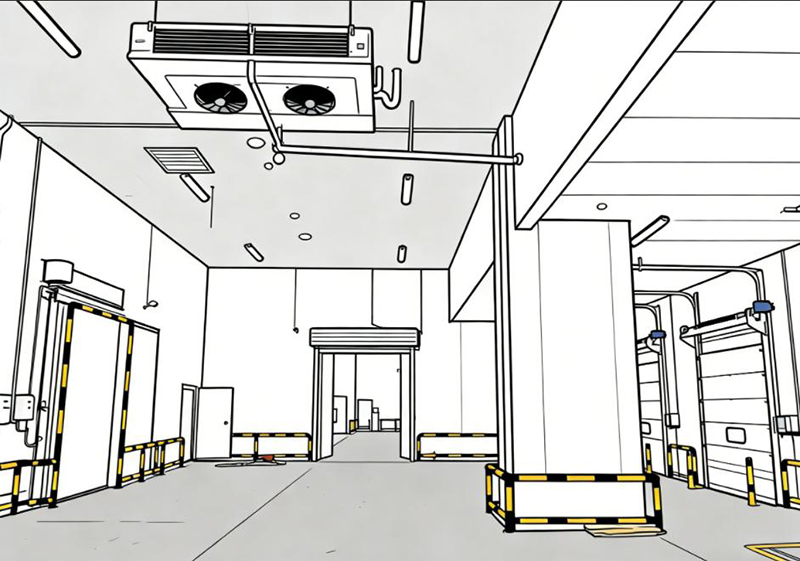
Panel Layout: Plan the layout of the panels in advance. This should include door placements and any necessary equipment that will be housed within the cool room, such as an ICE MACHINE.

Sealing and Insulation: Use high-quality sealants at the joints of the panels to prevent air infiltration. Proper sealing ensures the integrity of the cool room and maintains energy efficiency.

Testing for Air Leaks: After installation, conduct a thorough inspection to identify any potential leaks. A simple smoke test can help detect areas where air may escape.

Follow Manufacturer Guidelines: Always adhere to the manufacturer's installation instructions, as they provide specific recommendations for their products.

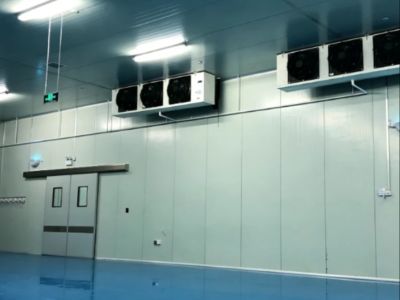
By following these guidelines, you can ensure that your cool room panels are installed efficiently and effectively, leading to optimal performance.

Applications of Cool Room Panels in Food and Pharma Industries

Cool room panels are extensively used in various industry sectors, particularly in food and pharmaceutical applications. In the food industry, these panels help maintain the integrity of perishable goods by providing a controlled temperature environment. They are ideal for cold storage facilities, walk-in refrigerators, and distribution centers.

In the pharmaceutical sector, cool room panels are crucial for storing temperature-sensitive medications and vaccines. The panels help ensure that these products remain within specified temperature ranges, thus preserving efficacy and compliance with regulatory standards.

Moreover, these panels can be customized to fit specific needs, including specialized coatings resistant to chemicals or moisture, enhancing their functionality in demanding environments. Understanding the specific requirements of your application is vital for selecting the right cool room panels, including options for REFRIGERATION UNITS.

Benefits of Energy-Efficient Cool Room Panels for Bulk Orders

Investing in energy-efficient cool room panels can lead to significant cost savings, especially for bulk orders. Here are some key benefits:

Reduced Energy Costs: Energy-efficient panels minimize thermal loss, which translates to lower energy consumption for cooling systems. This is particularly critical in large-scale operations where energy costs can be substantial.

Longer Lifespan: High-quality, energy-efficient panels are typically more durable. They withstand environmental stresses better, leading to lower replacement costs over time.

Enhanced Environmental Compliance: Using energy-efficient materials helps meet sustainability targets and regulations, making your operations more environmentally friendly.

Improved Temperature Control: Efficient panels provide better insulation, allowing for more precise temperature control. This is particularly important in industries where product integrity is paramount.

Customization Options: Many manufacturers, including Shanghai Zhaoxue Refrigeration Co., Ltd., offer customization for bulk orders to meet specific operational needs, ensuring that the panels suit your unique requirements.

By choosing energy-efficient cool room panels, B2B buyers can optimize their cold storage solutions while benefiting from long-term cost savings and enhanced operational efficiency.

What to Consider When Choosing Cool Room Panels for Sale

When evaluating cool room panels for sale, various critical factors should be taken into account. First, consider the material of the panels. Common options include polyurethane and polystyrene, with polyurethane offering superior insulation properties, which can significantly affect energy efficiency and operational costs.

Next, assess the thickness of the panels. Thicker panels provide better insulation, which is particularly vital for maintaining low temperatures in environments where heat transfer can be an issue. The panel dimensions also matter, as they should fit the specific requirements of your cold storage space, including compatibility with Cold Room setups.

Additionally, check for compatibility with your existing cooling systems. The design and sealing of the panels are also important; improper sealing can lead to air leaks, increasing energy consumption and compromising temperature stability. Lastly, ensure that the panels comply with industry standards and certifications relevant to your application, whether in food service, pharmaceuticals, or logistics.

Frequently Asked Questions

What types of cool room panels do you offer?

We provide insulated sandwich panels in various thicknesses and finishes for cold rooms, freezers, and blast chillers, customizable for food, pharma, and logistics applications.
Yes. Panels are custom-engineered to specified dimensions, door and port locations, and can integrate with automated systems and shelving.
Panels use high-density PIR/PUR insulation with low U-values and tight joints to minimize thermal loss, improving energy efficiency for long-term operation.
Panels are compatible with our packaged refrigeration and ice machine systems and include sealing, mounting, and service access for seamless integration.
We offer manufacturing warranties, installation guidance, spare parts, and global technical support for performance, maintenance, and automation commissioning.

Our Blog Posts

10 Fascinating Facts About Cold Room You Never Knew!

12

Oct

10 Fascinating Facts About Cold Room You Never Knew!

The World's Largest "Refrigerator" Can Hold the Entire City of Rome. The global cold storage network is vast beyond imagination. For instance, the total storage capacity of one of North America's largest cold storage operators exceeds 400 million cub...
View More
how to set cold room temperature

03

Nov

how to set cold room temperature

Setting the right cold room temperature is crucial for industries that rely on precise temperature control to maintain the quality and safety of their products. Whether you are in the food, pharmaceutical, or logistics sector, understanding how to se...
View More
what is the standard temperature of chiller

03

Nov

what is the standard temperature of chiller

Understanding the standard temperature of chillers is crucial for multiple industries, including food, pharmaceuticals, and logistics. This article dives into the specifics of what is the standard temperature of a energy-efficient chillers, addressin...
View More
what does evaporator coil do

03

Nov

what does evaporator coil do

Understanding what an evaporator coil does is essential for anyone involved in the purchasing or maintenance of refrigeration systems. These coils play a crucial role in cooling processes by absorbing heat from the environment, making them indispensa...
View More

Leave a Message

Email
Name
Company Name
Message
0/1000

Related product categories