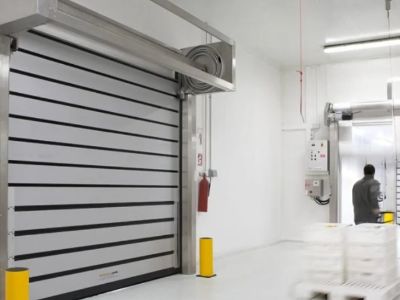
Choosing Energy-Efficient Cold Room Cooling Solutions

Let's Discuss Your Needs

Every great collaboration starts with a friendly chat.
We're here to help you figure things out and find the best way forward.
Company Name
Name
Email
WhatsApp
Mobile

cold room cooling

Cold room cooling systems are essential for preserving perishable goods in various industries, including food, pharmaceuticals, and logistics. As a B2B buyer, understanding the nuances of cold room cooling solutions is key to ensuring product quality, compliance with industry standards, and operational efficiency. This article will delve into important considerations for selecting the right cold room cooling solutions, specifications to evaluate, quality assessment methods, common challenges, and applications particularly relevant to the food and pharma sectors.

Key Specifications of Energy-Efficient Cold Room Cooling Units

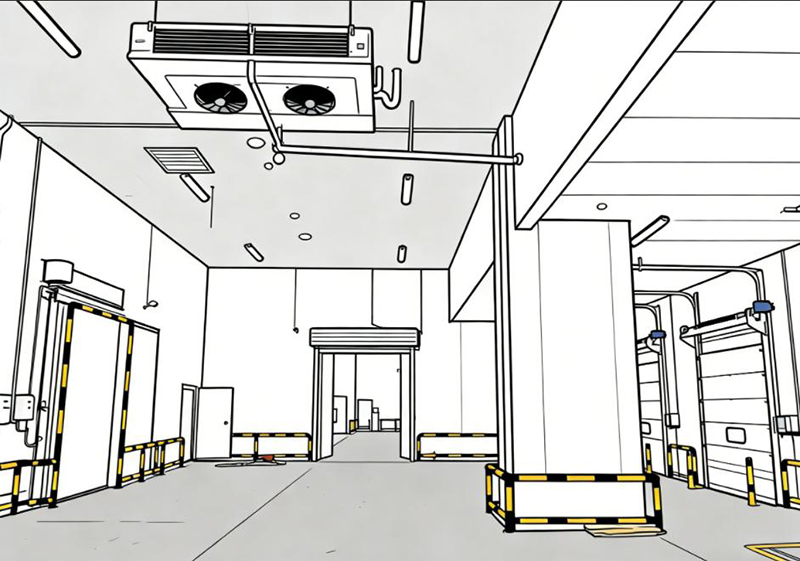
Understanding the key specifications of cold room cooling units is essential for making an informed purchase. Look into the following specifications:

Cooling Capacity: Measured in BTUs or kilowatts, this indicates the amount of heat the system can remove in a given time. Ensure that the cooling capacity aligns with the volume and type of products you plan to store.

Temperature Range: Different products require different storage temperatures. Confirm that the cooling unit can maintain the necessary temperature range consistently, particularly during peak loads.

Compressor Type: The type of compressor affects efficiency and performance. Scroll and inverter compressors are often more energy-efficient and quieter than traditional reciprocating models.

Insulation Thickness: Insulation plays a crucial role in maintaining temperature. Insulation thickness and material can impact energy efficiency and operational costs, so ensure it meets industry standards for thermal resistance.

Control Systems: Modern cold rooms often feature intelligent controls that allow for remote monitoring, alarm notifications, and performance analytics. This capability enhances operational efficiency and can help preemptively address potential issues.
How to Evaluate the Quality of Cold Room Cooling Products

Evaluating the quality of cold room cooling products involves a systematic approach. Begin by reviewing the materials used in construction. High-quality materials ensure durability and resistance to the corrosive environment often found in cold storage areas.

Next, inspect the manufacturing processes employed by the supplier. A reputable manufacturer should adhere to strict quality control processes, including testing units for performance and reliability before dispatch. Request information regarding their quality certifications, such as ISO standards, which indicate adherence to industry best practices.

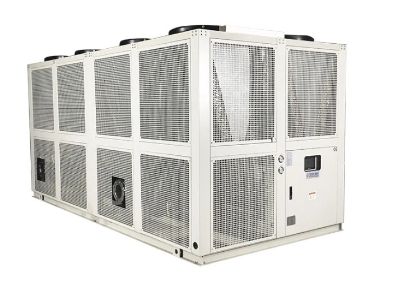
Additionally, consider the warranty and after-sales support offered by the supplier. A robust warranty reflects confidence in the product's quality and longevity. Ensure that the supplier provides comprehensive support for installation and maintenance, as this can greatly affect the unit's operational efficiency. For example, the use of REFRIGERATION UNITS can be crucial in ensuring effective cooling operations.

Finally, it can be beneficial to request product samples or case studies of similar installations to verify the performance claims made by the manufacturer.

Common Problems in Cold Room Cooling and Effective Solutions

Cold room cooling systems can encounter several common issues that may disrupt operations.

Temperature Fluctuations: Inconsistent temperatures can compromise product integrity. This may be due to poor insulation, malfunctioning sensors, or inadequate cooling capacity. Regular maintenance checks and prompt repairs can mitigate these risks.

High Energy Costs: If energy consumption levels are unexpectedly high, it could indicate inefficiencies in the system. Regular audits can identify areas for improvement, such as sealing leaks in insulation or upgrading to more energy-efficient compressors.

Frost Buildup: Excessive frost can obstruct airflow and reduce cooling efficiency. This often results from high humidity levels or malfunctioning defrost systems. Implementing a proper defrost cycle and controlling humidity levels can help address this issue.

Equipment Failure: Mechanical failures can result in costly downtime. Implementing a preventive maintenance schedule can help detect potential issues before they become significant problems, ensuring continuous operation.

By understanding these challenges and their solutions, you can better prepare for potential issues and minimize disruptions in your cold room operations.

Applications of Cold Room Cooling in Food and Pharma Industries

Cold room cooling systems play a critical role in the food and pharmaceutical industries, where temperature control is paramount to product safety and efficacy.

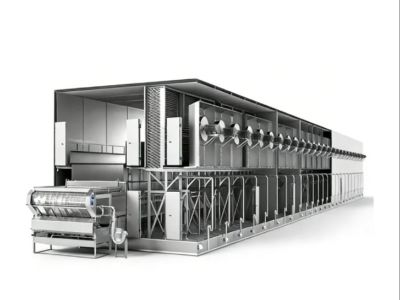
In the food industry, cold storage is vital for preserving freshness and preventing spoilage. Fruits, vegetables, dairy products, and meats require specific temperature and humidity conditions to maintain their quality. Cold rooms designed for food storage often incorporate advanced monitoring systems to ensure compliance with health and safety regulations. Utilizing systems such as Blast Freezer technology can further enhance the preservation of these goods.

In pharmaceuticals, cold room cooling is essential for storing temperature-sensitive medications and vaccines. These products must be kept within strict temperature ranges to maintain efficacy. Custom-engineered cooling solutions can offer precise temperature control and monitoring, ensuring compliance with regulatory standards such as Good Manufacturing Practices (GMP).

Furthermore, logistics companies rely on cold room cooling systems to transport perishable goods safely. Efficient cold chain management ensures that products remain at the required temperatures throughout the supply chain, minimizing the risk of spoilage and ensuring that consumers receive high-quality products.

In summary, selecting the right cold room cooling solutions requires careful consideration of various factors, including energy efficiency, customization capabilities, and supplier reliability. By understanding key specifications and common challenges, you can make informed decisions that enhance operational efficiency and ensure product integrity across food and pharmaceutical applications.

What to Consider When Choosing Cold Room Cooling Solutions

When selecting cold room cooling solutions, several factors should guide your decision-making process. Firstly, assess the temperature requirements specific to your products. Different applications may require varying temperature ranges, so it's crucial to identify the optimal cooling range for your goods.

Next, consider the energy efficiency of the system. Energy-efficient models can significantly reduce operational costs over time, making them a wise investment. Look for units that utilize advanced technology, such as variable speed compressors and smart control systems, which can optimize energy consumption based on real-time cooling demands.

Customization capabilities also play a vital role. A manufacturer like Shanghai Zhaoxue Refrigeration Co., Ltd. can provide tailored solutions that meet your unique specifications, including size, layout, and operational features. Ensure that the supplier can accommodate your requirements for automation and integration with existing systems. For instance, utilizing Cold Room technology can enhance operational capabilities.

Finally, evaluate the supplier's track record in delivering reliable and durable cooling solutions. Research previous projects, customer testimonials, and industry certifications to gauge the supplier's experience and reputation in the market.

Frequently Asked Questions

What is cold room cooling and how does it work?

Cold room cooling maintains low temperatures using insulated chambers, refrigeration units, and automated controls to remove heat and regulate humidity for safe storage of food, pharma, and logistics goods.
Yes. We design custom-engineered cold rooms with size, temperature zones, shelving, and automation tailored to your product, workflow, and energy efficiency targets.
We provide a broad range from mild chill (around 0°C) to deep freeze (below -40°C), configurable per product requirements and regulatory standards.
Our systems use high-efficiency compressors, optimized insulation, and smart controls to reduce energy use, lowering operating costs while maintaining stable temperatures.
Yes. We provide full project management, professional installation, start-up, staff training, and global after-sales service including maintenance and spare parts support.

Our Blog Posts

10 Fascinating Facts About Cold Room You Never Knew!

12

Oct

10 Fascinating Facts About Cold Room You Never Knew!

The World's Largest "Refrigerator" Can Hold the Entire City of Rome. The global cold storage network is vast beyond imagination. For instance, the total storage capacity of one of North America's largest cold storage operators exceeds 400 million cub...
View More
what is the standard temperature of chiller

03

Nov

what is the standard temperature of chiller

Understanding the standard temperature of chillers is crucial for multiple industries, including food, pharmaceuticals, and logistics. This article dives into the specifics of what is the standard temperature of a energy-efficient chillers, addressin...
View More
what are the methods of food preservation

03

Nov

what are the methods of food preservation

Food preservation is a critical process for maintaining the quality and safety of perishable items, especially in the food industry. Understanding what are the methods of food preservation can help businesses minimize waste, ensure product integrity,...
View More
what are the advantages of food preservation

03

Nov

what are the advantages of food preservation

Food preservation is a critical process that extends the shelf life of perishable goods such as fruits, vegetables, meats, and dairy products. Understanding the advantages of food preservation can greatly benefit businesses in the food industry, incl...
View More

Leave a Message

Email
Name
Company Name
Message
0/1000

Related product categories