EN

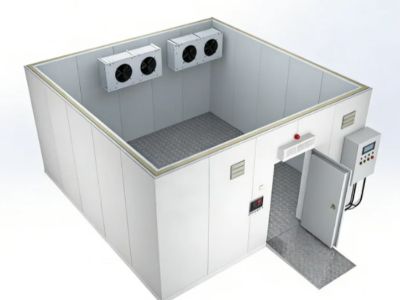
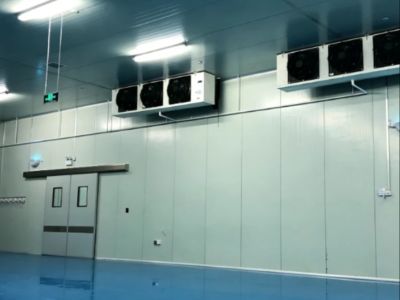
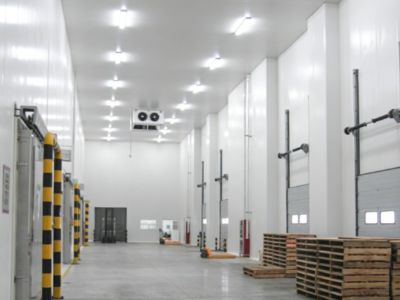
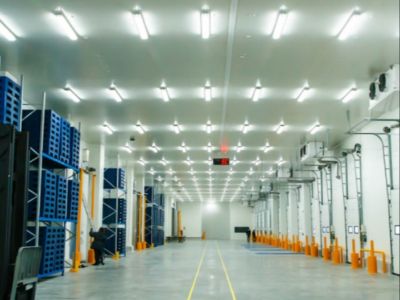
Coolroom insulation panels are essential components in the construction of temperature-controlled environments, such as cold storage rooms and freezers. These panels play a critical role in maintaining optimal temperatures for perishable goods, ensuring energy efficiency, and promoting sustainability. For B2B buyers, selecting the right coolroom insulation panels involves navigating various specifications, quality standards, and installation challenges. This article will provide insights into choosing the appropriate panels, understanding quality benchmarks, addressing common installation issues, exploring their applications in the food and pharma industries, and offering expert tips for efficient installation.
Understanding the Quality Standards of Coolroom Insulation Panels
Quality standards for coolroom insulation panels are crucial for ensuring efficiency and compliance with regulatory requirements. In the manufacturing process, panels should meet specific certifications, such as:
ISO 9001: This certification indicates that the manufacturer follows a quality management system, ensuring consistent product quality and customer satisfaction.ASTM Standards: Panels should comply with relevant ASTM standards, which detail testing methods for thermal performance, fire safety, and moisture resistance. For instance, ASTM C578 is commonly referenced for rigid cellular polystyrene thermal insulation.Additionally, buyers should seek documentation that confirms compliance with local regulations regarding insulation performance and fire safety. Engaging with suppliers who maintain rigorous quality control processes can help mitigate risks associated with subpar materials, ensuring the longevity and effectiveness of your coolroom.