How to Choose Coolroom Insulation Panels for Projects

Let's Discuss Your Needs

Every great collaboration starts with a friendly chat.
We're here to help you figure things out and find the best way forward.
Company Name
Name
Email
WhatsApp
Mobile

coolroom insulation panels

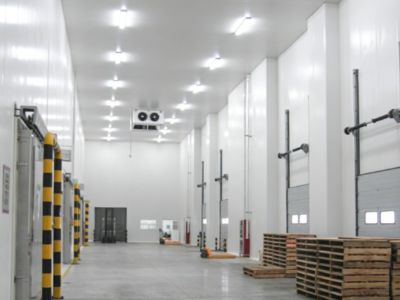
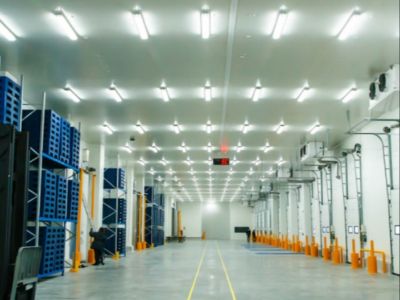
Coolroom insulation panels are essential components in the construction of temperature-controlled environments, such as cold storage rooms and freezers. These panels play a critical role in maintaining optimal temperatures for perishable goods, ensuring energy efficiency, and promoting sustainability. For B2B buyers, selecting the right coolroom insulation panels involves navigating various specifications, quality standards, and installation challenges. This article will provide insights into choosing the appropriate panels, understanding quality benchmarks, addressing common installation issues, exploring their applications in the food and pharma industries, and offering expert tips for efficient installation.

Understanding the Quality Standards of Coolroom Insulation Panels

Quality standards for coolroom insulation panels are crucial for ensuring efficiency and compliance with regulatory requirements. In the manufacturing process, panels should meet specific certifications, such as:

ISO 9001: This certification indicates that the manufacturer follows a quality management system, ensuring consistent product quality and customer satisfaction.ASTM Standards: Panels should comply with relevant ASTM standards, which detail testing methods for thermal performance, fire safety, and moisture resistance. For instance, ASTM C578 is commonly referenced for rigid cellular polystyrene thermal insulation.

Additionally, buyers should seek documentation that confirms compliance with local regulations regarding insulation performance and fire safety. Engaging with suppliers who maintain rigorous quality control processes can help mitigate risks associated with subpar materials, ensuring the longevity and effectiveness of your coolroom.
Common Installation Issues with Coolroom Insulation Panels and Solutions

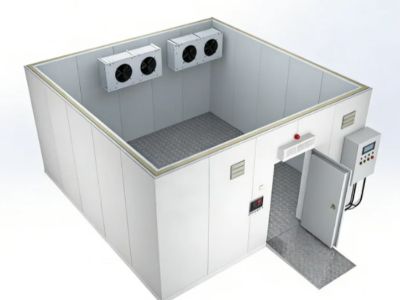
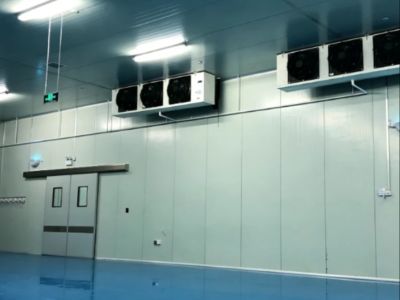
Installation of coolroom insulation panels can present challenges that, if not addressed, may compromise the system's effectiveness. Here are some common issues and their solutions:

Misalignment During Installation: Panels must be aligned correctly to prevent gaps that can lead to thermal bridging. It's essential to use laser levels or other precise measuring tools during the installation process.

Inadequate Sealing: If joints are not adequately sealed, air leakage can occur, leading to temperature fluctuations. Using high-quality sealants and ensuring that joints are properly fitted can minimize this risk.

Structural Support: Ensure that the supporting framework for the panels can handle their weight, especially for thicker panels. In some cases, additional structural reinforcement may be necessary to prevent sagging or deformation over time.

Moisture Management: Proper vapor barriers should be installed when necessary to prevent moisture buildup, which can lead to mold growth and material degradation. Ensure that the installation area is adequately prepared and that barriers are correctly installed.

Applications of Coolroom Insulation Panels in Food and Pharma Industries

Coolroom insulation panels are widely used in both the food and pharmaceutical industries, where temperature control is critical for product integrity.

Food Industry: In food storage and distribution, coolroom insulation panels are vital for maintaining the freshness and safety of perishable products. They are commonly used in warehouses, supermarkets, and food processing plants. The panels help ensure that temperature-sensitive items, such as dairy, meat, and produce, remain within safe temperature ranges to prevent spoilage. Additionally, Freezer Room applications benefit greatly from these insulation solutions.

Pharmaceutical Industry: For the pharmaceutical sector, maintaining strict temperature controls is essential for the storage of vaccines, medications, and sensitive materials. Coolroom insulation panels provide the necessary insulation to comply with regulatory standards for temperature-sensitive pharmaceuticals, thus ensuring product efficacy and safety.

In both applications, the choice of insulation material and panel configuration can significantly impact energy consumption and operational costs.

Expert Tips for Installing Coolroom Insulation Panels Efficiently

To ensure a successful installation of coolroom insulation panels, consider the following expert tips:

Pre-Installation Planning: Conduct a thorough assessment of the installation area, including measurements and environmental conditions. This planning phase is critical to avoid costly adjustments later.

Sample Approval: Before mass production, request samples of the insulation panels to evaluate their performance under actual conditions. Assess factors like thermal resistance, moisture permeability, and fire safety to confirm they meet your project's requirements.

Training for Installation Teams: Ensure that your installation teams are well-trained in handling and installing coolroom insulation panels. Proper training can reduce errors and improve overall efficiency during the installation process.

Post-Installation Inspection: After installation, conduct a thorough inspection to check for gaps, misalignments, or sealing issues. Addressing any discrepancies at this stage can prevent future energy losses and operational inefficiencies.

By following these tips and understanding the nuances of coolroom insulation panels, B2B buyers can make informed decisions that enhance the effectiveness of their cold storage solutions.

How to Choose the Right Coolroom Insulation Panels for Your Projec

When selecting coolroom insulation panels, consider several factors that impact performance and compatibility with your project requirements.

Material Selection: The most common materials for coolroom insulation panels include polyurethane, polystyrene, and phenolic foam. Polyurethane offers superior thermal resistance, making it ideal for extreme temperature applications. Polystyrene is cost-effective and widely used, while phenolic foam provides a balance of thermal efficiency and fire resistance. Your choice should align with your specific temperature control needs and compliance requirements.

Thickness and Dimensions: Panel thickness is critical; thicker panels typically provide better insulation but may also increase costs and weight. Common thicknesses range from 50 mm to 150 mm. Ensure the dimensions suit your space and equipment, as improper sizing can lead to thermal bridging or inadequate sealing, undermining energy efficiency.

Sealing and Jointing: Look for panels with robust sealing mechanisms, such as tongue-and-groove joints, which minimize air leakage and enhance insulation performance. Proper sealing is vital for maintaining temperature and humidity levels within cold storage environments. Cold Room solutions often utilize these effective sealing methods to enhance efficiency.

Customization Options: Depending on your application's unique requirements, consider manufacturers that offer customization options, such as panel profiles, surface finishes, and insulation materials. This flexibility can lead to better performance and integration with existing systems.

Frequently Asked Questions

What are coolroom insulation panels made of?

Our panels use high-density polyurethane core with corrosion-resistant steel facings, providing excellent thermal performance and durability for commercial cold rooms.
We offer panels with various R-values tailored to temperature needs; typical ranges are 4–10 W/m²·K equivalent, adjustable by thickness and core density for required thermal resistance.
Yes. We custom-engineer panel dimensions, door and pass-through openings, and built-in channels to integrate with automated systems and site requirements.
Absolutely. Our panels are designed to integrate seamlessly with our cold storage and freezer systems, ensuring airtight joins and minimal thermal bridging for optimal efficiency.
Panels feature smooth, easy-clean facings with antimicrobial coatings and sealed joints. Materials resist moisture and corrosion to meet food and pharmaceutical hygiene standards.

Our Blog Posts

what is the purpose of a cold room

03

Nov

what is the purpose of a cold room

The purpose of a cold room is essential for various industries, primarily focusing on the preservation and storage of temperature-sensitive products. This article delves into the role of cold rooms, specifically in the food industry, and provides ins...
View More
how to set cold room temperature

03

Nov

how to set cold room temperature

Setting the right cold room temperature is crucial for industries that rely on precise temperature control to maintain the quality and safety of their products. Whether you are in the food, pharmaceutical, or logistics sector, understanding how to se...
View More
what is a chiller used for

03

Nov

what is a chiller used for

Industrial chillers are critical components in various sectors, providing precise temperature control for a range of applications. Understanding what a energy-efficient chillers is used for can greatly influence purchasing decisions for business...
View More
how to set temperature in chiller

03

Nov

how to set temperature in chiller

Setting the correct temperature in a chiller is crucial for maintaining the quality and safety of sensitive products, especially in industries like food, pharmaceuticals, and logistics. This article will address key considerations for B2B buyers, inc...
View More

Leave a Message

Email
Name
Company Name
Message
0/1000

Related product categories