Guide to Buying a Small Cold Room for Sale

Let's Discuss Your Needs

Every great collaboration starts with a friendly chat.
We're here to help you figure things out and find the best way forward.
Company Name
Name
Email
WhatsApp
Mobile

small cold room for sale

A small cold room for sale is an essential solution for businesses that require a controlled environment for storing temperature-sensitive products. Whether you're in the food, pharmaceutical, or logistics sectors, understanding what to look for is crucial for ensuring that your investment meets your operational needs. This article will guide you through key considerations when purchasing a small cold room, provide insights on installation and applications, and address common issues that may arise, helping you make an informed buying decision.

What You Should Know

Before making a purchase, it’s vital to understand the following:

Lead Times: Understand the typical lead times for production and delivery. Custom cold rooms may require longer manufacturing times, so plan accordingly.

Maintenance Requirements: Regular maintenance is essential for optimal performance. Familiarize yourself with the manufacturer's guidelines on upkeep to ensure longevity and efficiency.

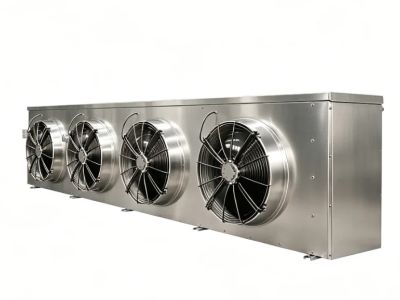
Cost Factors: Pricing can vary widely based on features, size, and materials. Consider not just the upfront cost, but also the long-term operational costs, including energy use and potential repairs. For example, investing in REFRIGERATION UNITS may significantly enhance efficiency and reduce costs.

Supplier Reputation: Research the manufacturer’s background, customer reviews, and case studies. A reputable supplier will have proven experience in the industry and provide support throughout the purchasing process.
Installation Guidance for Your New Small Cold Room System

Proper installation is crucial to ensuring the functionality of your small cold room. Here are the key steps to consider:

Site Preparation: Ensure that the installation site is level and meets the structural requirements specified by the manufacturer. Consider access to utilities such as power and drainage.

Assembly: Depending on the cold room design, assembly may be straightforward or require specialized knowledge. Follow the manufacturer's installation instructions carefully and consider hiring a professional if necessary.

Temperature Calibration: After installation, calibrate the temperature settings according to your product requirements. This initial setup is critical for ensuring that the cold room operates effectively.

Validation Testing: Conduct a validation test to confirm that the cold room maintains the desired temperature range. This step is particularly important for sensitive products like pharmaceuticals.

Regular Monitoring: Implement a monitoring system to track temperature and humidity levels. This will help you maintain optimal conditions and quickly address any deviations.

Applications of Small Cold Rooms in Food and Pharma Industries

Small cold rooms serve a variety of applications in both the food and pharmaceutical industries:

Food Industry: In food storage, small cold rooms ensure that perishables such as fruits, vegetables, meats, and dairy products are kept at safe temperatures to prevent spoilage. They are often used in restaurants, grocery stores, and food distribution centers.

Pharmaceutical Industry: For pharmaceuticals, precise temperature control is critical in maintaining the efficacy of medications and vaccines. Cold rooms are used to store sensitive products, such as biologics and temperature-sensitive drugs, ensuring compliance with regulatory standards.

Logistics: In logistics, small cold rooms are invaluable for maintaining the cold chain during transportation and storage. They help in ensuring that products remain at the required temperatures from the point of origin to the final destination.

Common Problems with Small Cold Rooms and Effective Solutions

Despite their advantages, small cold rooms can encounter several issues:

Temperature Fluctuations: Inconsistent temperatures can lead to product spoilage. To mitigate this, invest in high-quality temperature monitoring systems and ensure regular maintenance of cooling equipment.

Insulation Failures: Poor insulation can result in energy loss and increased operational costs. Regularly inspect insulation materials and seals to prevent air leaks and ensure efficiency.

Condensation Issues: Excess humidity can lead to condensation, which may affect stored products. Installing dehumidifiers or ensuring proper airflow can help manage humidity levels.

Equipment Malfunctions: Regularly check and service cooling units to prevent breakdowns. Establish a maintenance schedule and keep a qualified technician on hand for emergency repairs.

Compliance Violations: Ensure that the cold room meets all relevant regulations. Regular audits and documentation can help maintain compliance and avoid potential penalties.

By understanding these aspects and preparing your procurement process accordingly, you can confidently select a small cold room for sale that meets your needs, ensuring the safe storage of your temperature-sensitive products.

What to Consider When Buying a Small Cold Room for Sale

When looking for a small cold room for sale, several factors should be taken into account:

Capacity and Size: Determine the volume of products you need to store. The dimensions of the cold room should align with your available space and storage requirements.

Temperature Range: Identify the specific temperature range your products require. Different applications may call for varying temperature settings; for example, food storage typically requires temperatures around 0°C to 4°C, while pharmaceuticals may need more strict temperature control.

Energy Efficiency: Given the continuous operation of cold rooms, energy efficiency is critical. Look for models that comply with energy-saving certifications to reduce long-term operational costs.

Construction Materials: The materials used for insulation and structure can impact thermal efficiency. Options like polyurethane foam offer excellent insulation properties, which can help maintain desired temperatures while minimizing energy consumption.

Customization Options: Depending on your specific needs, you might require custom features such as shelving, doors, or monitoring systems. Ensure that the manufacturer offers customization to meet your operational requirements. For instance, if you are looking for specialized solutions, consider our Cold Room options that cater to diverse needs.

Compliance and Certifications: Verify that the cold room complies with relevant health and safety regulations, especially if used in the food or pharmaceutical industries.

Frequently Asked Questions

What sizes are available for a small cold room for sale?

We offer customizable small cold rooms in various footprints and heights. Typical sizes range from 2m³ to 50m³, and we tailor dimensions to your space and capacity needs.
Yes. We custom-engineer temperature, humidity control, materials, and finishes to meet food-grade or pharmaceutical standards and regulatory requirements.
Our units use energy-efficient compressors and insulation, optional inverter controls, and automated monitoring to minimize power use and maintain stable temperatures.
Yes. We offer global installation, commissioning, training, preventive maintenance plans, and remote monitoring support to ensure reliable operation.
Lead times depend on specifications and location. Standard modular units ship within weeks; fully customized systems typically require several weeks to months. We provide a timeline after project review.

Our Blog Posts

how to set temperature in chiller

03

Nov

how to set temperature in chiller

Setting the correct temperature in a chiller is crucial for maintaining the quality and safety of sensitive products, especially in industries like food, pharmaceuticals, and logistics. This article will address key considerations for B2B buyers, inc...
View More
what does evaporator coil do

03

Nov

what does evaporator coil do

Understanding what an evaporator coil does is essential for anyone involved in the purchasing or maintenance of refrigeration systems. These coils play a crucial role in cooling processes by absorbing heat from the environment, making them indispensa...
View More
what are the methods of food preservation

03

Nov

what are the methods of food preservation

Food preservation is a critical process for maintaining the quality and safety of perishable items, especially in the food industry. Understanding what are the methods of food preservation can help businesses minimize waste, ensure product integrity,...
View More
what are the advantages of food preservation

03

Nov

what are the advantages of food preservation

Food preservation is a critical process that extends the shelf life of perishable goods such as fruits, vegetables, meats, and dairy products. Understanding the advantages of food preservation can greatly benefit businesses in the food industry, incl...
View More

Leave a Message

Email
Name
Company Name
Message
0/1000

Related product categories