Choosing the Best Cold Storage Door Manufacturers

Let's Discuss Your Needs

Every great collaboration starts with a friendly chat.
We're here to help you figure things out and find the best way forward.
Company Name
Name
Email
WhatsApp
Mobile

cold storage door manufacturers

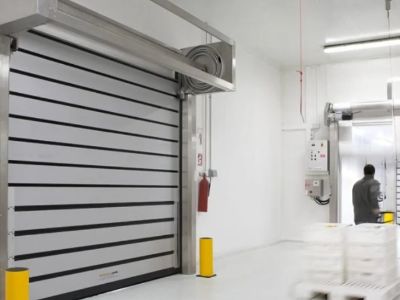
Selecting the appropriate cold storage door is crucial for ensuring the efficiency and safety of your refrigeration systems. As a potential buyer, understanding the offerings from various cold storage door manufacturers will help you make informed decisions. This article will address key considerations such as specifications, material advantages, and best practices, ultimately guiding you toward choosing a door that meets the needs of your facility.

How to Compare Cold Storage Door Manufacturers for Quality and Cos

When evaluating different cold storage door manufacturers, it's essential to compare them based on several criteria to ensure you receive quality products at a reasonable price. Here are some key factors to consider:

Manufacturing Capabilities: Investigate the manufacturer’s production processes, machinery, and technology. A manufacturer with advanced technology is likely to offer better precision and quality control.Material Quality: Check what materials are used in the door construction. High-quality materials not only enhance performance but also ensure durability and longevity.Certifications and Standards: Look for manufacturers that comply with relevant industry standards and possess necessary certifications. This can be an indicator of quality assurance and reliability.Customization Options: Understand the extent of customization available. A manufacturer that can tailor doors to your specifications may be more advantageous than one that offers limited options.Cost Factors: Compare overall costs, including production, shipping, and installation. Be sure to ask about minimum order quantities (MOQ) as this can significantly affect pricing if you require multiple units.

By systematically comparing these factors, you can identify the manufacturer that best meets your needs while offering the best value. For instance, consider the advantages of a Cold Room for storing products at optimal temperatures.

Understanding Cold Storage Door Specifications for Optimal Efficiency

Familiarizing yourself with the specifications of cold storage doors is vital for ensuring optimal performance. Here are critical specifications to consider:

Insulation Thickness: The thickness of the insulation material directly affects the energy efficiency of the door. Thicker insulation generally results in better thermal performance, reducing energy costs.Sealing Mechanisms: Quality seals prevent air leaks, which can lead to temperature fluctuations. Pay attention to the type of sealing used and its effectiveness in maintaining the desired climate.Load Handling: Consider the weight capacity of the door, especially if it will be frequently used for heavy loads. Ensure the door can withstand the expected load without compromising performance.Durability Ratings: Evaluate the durability of materials used, particularly in high-traffic areas. Doors should be resistant to dents, scratches, and other forms of wear.Temperature Range: Ensure the door is suitable for the specific temperature requirements of your cold storage application. Some doors are designed for extreme temperature conditions that may be necessary for certain products.

Understanding these specifications will help you select a door that not only meets your immediate needs but also optimizes operational efficiency over time.

Best Practices and Tips

To maximize the performance and lifespan of your cold storage doors, consider implementing these best practices:

Regular Maintenance: Schedule routine inspections and maintenance to catch potential issues early. This can include checking seals, hinges, and insulation integrity.Proper Installation: Ensure that doors are installed correctly by experienced professionals. Improper installation can lead to air leaks and efficiency losses.Employee Training: Train staff on the proper use and handling of cold storage doors. This can reduce unnecessary wear and tear and maintain door integrity.Monitor Performance: Regularly assess the performance of your cold storage doors. Look for signs of wear, such as difficulty in opening or closing, which may indicate a need for repairs or adjustments.

By following these best practices, you can ensure that your cold storage doors remain functional and efficient over the long term.

Evaluating Material Advantages in Cold Storage Door Manufacturing

The material used in cold storage door manufacturing can significantly impact performance, durability, and energy efficiency. Here are some common materials and their advantages:

Steel: Steel doors are robust and offer excellent durability. They are often coated to resist corrosion, making them suitable for various environments. However, they may require additional insulation to achieve optimal thermal performance.Aluminum: Lightweight and resistant to corrosion, aluminum doors are easy to operate and maintain. They are ideal for environments where sanitation is critical, such as food storage facilities.Fiberglass: Fiberglass doors provide excellent insulation and are resistant to dents and scratches. They are often used in environments where temperature control is crucial, providing a good balance between durability and energy efficiency.Polyurethane: This material offers superior insulation properties, making it ideal for energy-efficient applications. Polyurethane doors are often lighter and easier to handle than traditional materials.

When evaluating materials, consider how they align with your specific application requirements, including temperature control, durability, and maintenance needs. The right material can lead to significant cost savings in energy consumption and maintenance over time.

By understanding these considerations and incorporating best practices, you can make informed decisions when selecting cold storage doors that align with your business needs.

Choosing the Right Cold Storage Door for Your Facility Needs

When selecting a cold storage door, consider the specific requirements of your facility. The type of products you store—whether perishable food items, pharmaceuticals, or other temperature-sensitive goods—will dictate the door's design and functionality. Key factors to evaluate include:

Door Type: Common door types include sliding, hinged, and roll-up doors. Sliding doors are ideal for high-traffic areas, while hinged doors may be better for smaller openings.Insulation: Doors should provide adequate thermal insulation to maintain the required temperature. Look for doors with high R-values, which measure thermal resistance.Size and Dimensions: Ensure that the door’s dimensions align with your facility’s layout and operational needs. Custom sizes are often available to fit specific requirements.Operational Mechanism: Consider whether automatic or manual operation is more suitable for your workflow. Automated systems can improve efficiency but may come with higher maintenance costs.

Understanding these elements can help you choose the right cold storage door that aligns with your operational needs and enhances overall efficiency. Additionally, if you are looking for advanced solutions, you might want to explore options like the Self-stacking Spiral Freezers, which can complement your cold storage capabilities.

Frequently Asked Questions

What types of cold storage doors do you manufacture?

We produce insulated swing, sliding, rapid roll, and refrigerated dock doors, custom-engineered for temperature control, hygiene, and energy efficiency across food, pharma, and logistics applications.
Yes. Doors are engineered to meet required temperature zones including chilled, frozen, and cryogenic environments with tight sealing and insulation to minimize thermal loss.
Yes. We provide doors compatible with automated controls, sensors, and facility management systems for coordinated operation, safety interlocks, and energy optimization.
Doors use food-grade, corrosion-resistant panels, antimicrobial finishes, smooth surfaces, and sanitary sealing to support cleaning protocols and regulatory hygiene standards.
We offer manufacturer warranty, commissioning, and global after-sales support including maintenance plans, spare parts, and remote or on-site technical service.

Our Blog Posts

how to set temperature in chiller

03

Nov

how to set temperature in chiller

Setting the correct temperature in a chiller is crucial for maintaining the quality and safety of sensitive products, especially in industries like food, pharmaceuticals, and logistics. This article will address key considerations for B2B buyers, inc...
View More
how to clean condensing unit

03

Nov

how to clean condensing unit

Cleaning a condensing unit is essential for maintaining the efficiency and longevity of refrigeration systems, particularly in industries like food processing, pharmaceuticals, and logistics. Proper cleaning helps prevent malfunctions, reduces energy...
View More
what does evaporator coil do

03

Nov

what does evaporator coil do

Understanding what an evaporator coil does is essential for anyone involved in the purchasing or maintenance of refrigeration systems. These coils play a crucial role in cooling processes by absorbing heat from the environment, making them indispensa...
View More
what are the methods of food preservation

03

Nov

what are the methods of food preservation

Food preservation is a critical process for maintaining the quality and safety of perishable items, especially in the food industry. Understanding what are the methods of food preservation can help businesses minimize waste, ensure product integrity,...
View More

Leave a Message

Email
Name
Company Name
Message
0/1000

Related product categories