EN

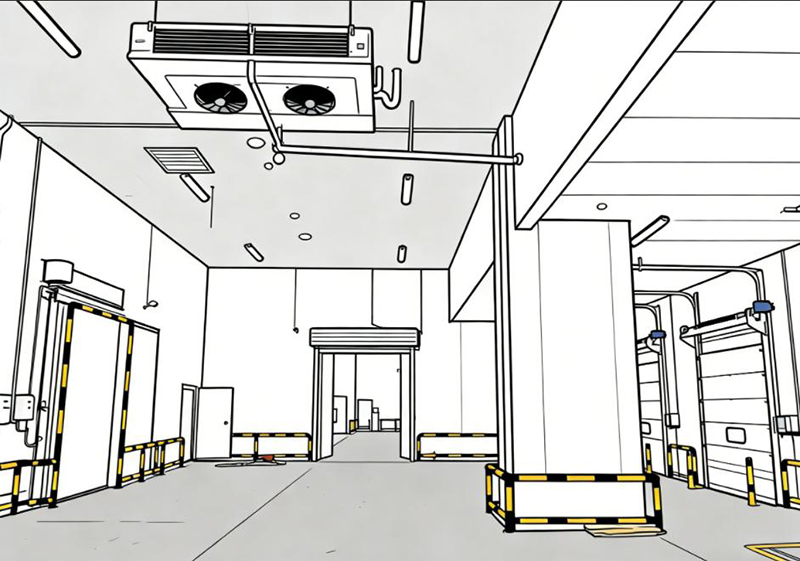
Choosing the right chiller room door is crucial for ensuring optimal temperature control and efficiency in cold storage facilities. These specialized doors are designed to withstand the rigorous demands of environments such as food processing, pharmaceuticals, and logistics. As a B2B buyer, your primary concerns may include durability, energy efficiency, and compliance with industry standards. This article will guide you through selecting the appropriate chiller room door, detailing key specifications, quality evaluation methods, and supplier sourcing strategies. For instance, understanding the various types of chiller rooms can significantly influence your decision-making process.
Key Specifications to Consider When Sourcing Chiller Room Doors
When sourcing chiller room doors, it's essential to focus on several key specifications:
Material: Common materials include steel, aluminum, and fiberglass. Steel doors are robust and suitable for high-traffic areas, while fiberglass is often favored for its corrosion resistance.
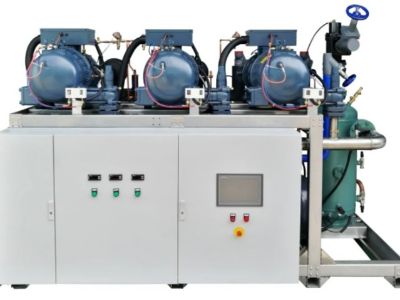
Insulation Value (R-Value): This measures the door's thermal resistance. A higher R-value indicates better insulation, which is critical for energy efficiency in chiller applications. Additionally, incorporating an effective refrigeration unit can enhance the overall cooling performance.
Dimensions: Ensure that the door dimensions align with your operational needs. Custom sizes may be necessary if your facility has unique requirements.
Sealing Mechanisms: Proper sealing is crucial to minimize air leakage. Look for doors with high-quality gaskets and seals that can withstand repeated use.
Weight and Operation: The weight of the door affects how easily it can be operated. Consider options like automatic doors for heavy or high-traffic entries.
Durability and Maintenance: Evaluate the expected lifespan of the door and any maintenance requirements. Doors exposed to extreme conditions may require more robust solutions.