Choosing the Right 3 Ton Condenser Unit for Your Needs

Let's Discuss Your Needs

Every great collaboration starts with a friendly chat.
We're here to help you figure things out and find the best way forward.
Company Name
Name
Email
WhatsApp
Mobile

3 ton condenser unit

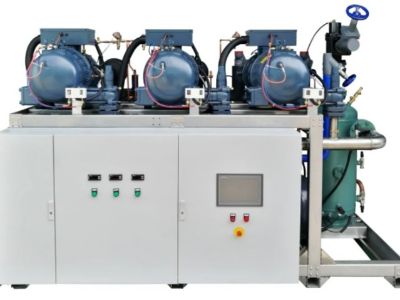
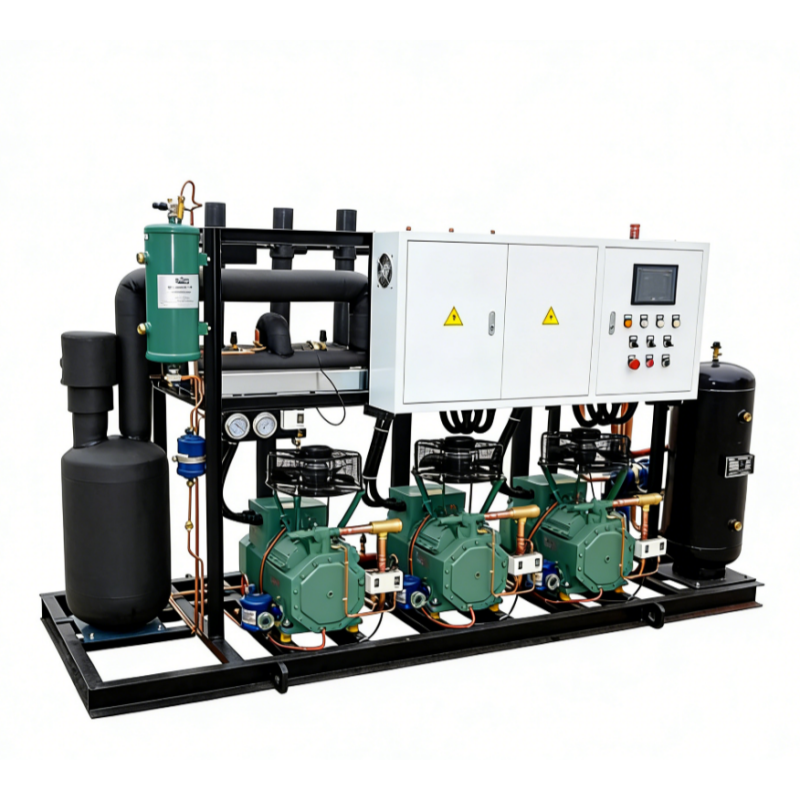
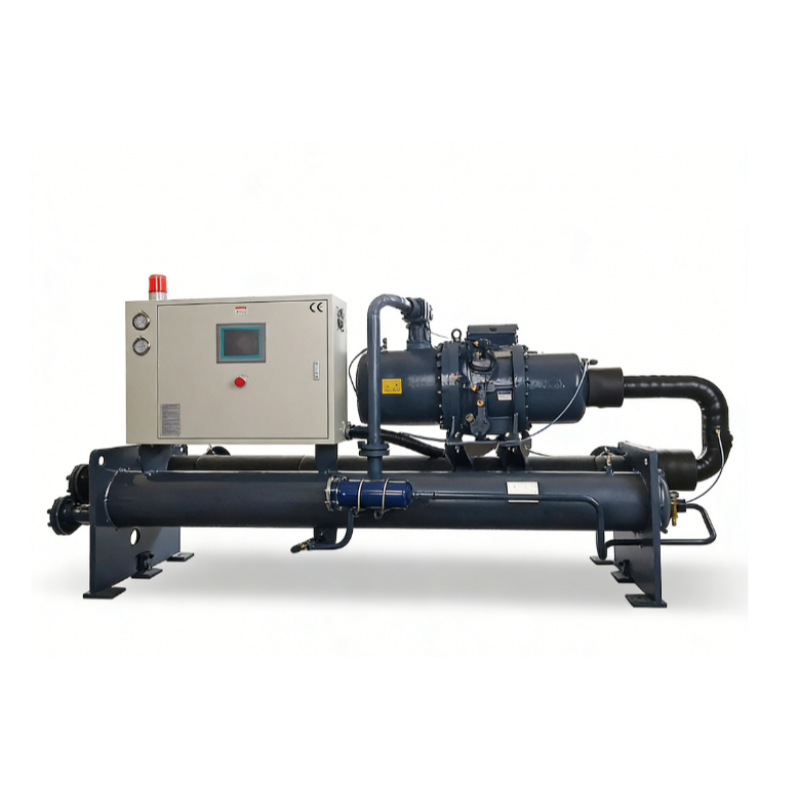
A 3 ton condenser unit is an essential component for various cooling systems, widely used in commercial refrigeration and HVAC applications. As a buyer, you may have concerns about efficiency, compatibility, and long-term reliability. This article will guide you through the key factors to consider when selecting a 3 ton condenser unit, including specifications, quality evaluation, cost considerations, and essential knowledge for making informed purchasing decisions.
Our Products

Key Specifications of Our 3 Ton Condenser Units Explained

Key Specifications of Our 3 Ton Condenser Units Explained

Understanding the key specifications of a 3 ton condenser unit is vital for assessing its performance. Key specifications include:

Cooling Capacity: Measured in BTUs (British Thermal Units), the cooling capacity indicates how effectively the unit can remove heat. A 3 ton unit typically has a cooling capacity of about 36,000 BTUs. Ensure that this matches your cooling load calculations.

Energy Efficiency Ratio (EER): This ratio measures the cooling output divided by the energy consumption. A higher EER indicates better energy efficiency, which can lead to reduced operating costs over time.

Compressor Type: The type of compressor—reciprocating, scroll, or rotary—affects performance and noise levels. Scroll compressors, for example, are known for their quiet operation and reliability.

Material Construction: Look for robust materials that can withstand environmental conditions. Units with galvanized steel cabinets or corrosion-resistant coatings offer better durability and longevity.

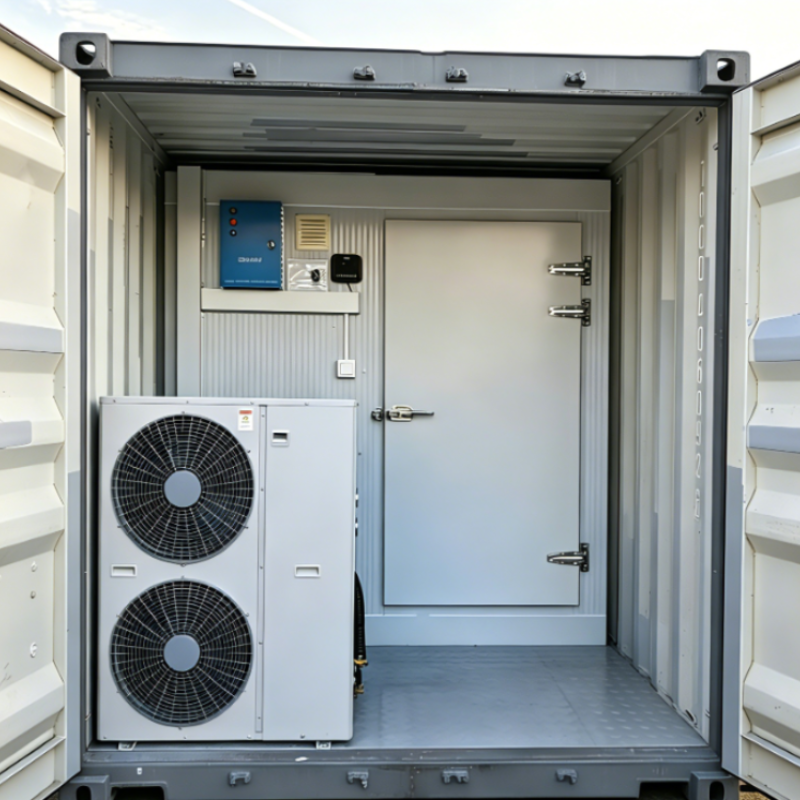
Dimensions and Weight: Ensure the unit fits the designated installation space. Consider weight as well, as it may impact the structural requirements of your installation site. Additionally, if you're interested in expanding your cooling capabilities, consider options like Chiller Room solutions.

Buyers should confirm these specifications based on their operational needs and seek guidance from the manufacturer to ensure the right fit.
Evaluating the Quality of 3 Ton Condenser Units for Your Business

Evaluating the Quality of 3 Ton Condenser Units for Your Business

Quality evaluation is crucial when selecting a 3 ton condenser unit. Here are key factors to consider:

Certifications: Check for relevant certifications, such as AHRI (Air-Conditioning, Heating, and Refrigeration Institute) or ISO (International Organization for Standardization), which indicate adherence to industry standards for performance and manufacturing processes.

Warranty and Support: A robust warranty can signify the manufacturer's confidence in their product and offers peace of mind. Evaluate the duration and terms of the warranty as well as the availability of technical support.

Manufacturing Process: Understanding the manufacturing process can provide insights into the quality of the unit. A reputable manufacturer will have stringent quality control measures in place, including testing each unit for performance before shipment.

Customer Feedback: Seek testimonials or reviews from other users. Real-world experiences can reveal strengths and weaknesses not apparent in technical specifications alone.

Operational Longevity: Investigate the expected lifespan of the unit and any common issues reported by users. A unit that performs well initially but has a high failure rate may not be a wise investment.

By conducting thorough quality evaluations, buyers can avoid common pitfalls and select a unit that will deliver reliable performance over time.

Understanding Cost Factors for 3 Ton Condenser Units

Understanding Cost Factors for 3 Ton Condenser Units

The cost of a 3 ton condenser unit can vary significantly based on several factors:

Material and Build Quality: Higher-quality materials and construction methods typically result in higher upfront costs but can lead to lower maintenance and operational costs in the long run.

Technology and Features: Advanced features, such as smart controls or variable-speed compressors, may increase the initial purchase price but can enhance efficiency and reduce energy bills.

Customizations: Any custom modifications to the unit to better fit your specific application will also impact the final pricing. Always discuss potential customization options during the quoting process.

Quantity and Bulk Discounts: If you are purchasing multiple units, inquire about bulk pricing or discounts, as many manufacturers offer reduced rates for larger orders.

Shipping and Handling: Consider the logistics of getting the unit to your installation site. Shipping costs can vary based on distance and the method of transport, so factor this into your overall budget.

Being aware of these cost factors can help buyers better prepare for an RFQ and ensure they receive fair pricing based on their requirements.

What You Should Know

When preparing to purchase a 3 ton condenser unit, gather relevant information to facilitate discussions with suppliers:

Project Specifications: Have clear details about your project, including the required cooling capacity, installation environment, and any specific features needed.

Technical Drawings: Prepare any technical drawings or schematics that outline your installation setup, as this can help manufacturers provide more accurate recommendations.

Sample Approval: Before finalizing your order, request a sample or prototype of the unit for testing. This allows you to verify performance under actual operating conditions and confirm that it meets your expectations.

Lead Times: Inquire about the expected lead times for production and delivery. Understanding the timeline will help you coordinate your project schedules effectively.

Quality Inspection Protocols: Confirm what quality assurance processes the manufacturer employs. This may include pre-shipment inspections or performance testing, which can provide additional assurance of product quality.

By being well-prepared and informed, buyers can engage more effectively with suppliers and make confident purchasing decisions aligned with their project needs.

Choosing the Right 3 Ton Condenser Unit for Your Project Needs

When selecting a 3 ton condenser unit, it’s crucial to consider the specific requirements of your project. Factors such as the intended application, the ambient operating conditions, and the type of refrigerant being used can significantly influence your choice.

For instance, if you're operating in a high-temperature environment, a unit designed for higher efficiency and heat exchange performance is necessary. Additionally, consider whether the unit is compatible with your existing system—this includes assessing the refrigerant type (like R-410A or R-22) and ensuring that the unit's dimensions and connection points align with your layout.

Customization options are also worth exploring. Depending on your operational needs, you may require features such as variable speed fans or enhanced filtration systems to improve air quality and system efficiency. Always discuss your specific requirements with the manufacturer to ensure that the selected unit meets your project needs effectively. For instance, exploring options like REFRIGERATION UNITS can offer additional insights into compatible systems.

Frequently Asked Questions

What is the cooling capacity of the 3 ton condenser unit?

The unit provides approximately 36,000 BTU/h (3 refrigeration tons) capacity, suitable for small to medium cold rooms and freezers designed by our engineering team.
Our 3 ton condenser supports common low-GWP refrigerants specified at order, with options for R449A, R452B, or others per project requirements and local regulations.
Yes. It is engineered for seamless integration with automated controls, PLCs, and remote monitoring used in our custom cold storage and logistics installations.
Compact footprint for rooftop or ground placement; exact dimensions and clearances are provided in the technical datasheet and based on site-specific engineering assessments.
We provide factory-backed warranty, commissioning support, spare parts supply, and global technical service for performance verification and maintenance guidance.

Our Blog Posts

how to clean condensing unit

03

Nov

how to clean condensing unit

Cleaning a condensing unit is essential for maintaining the efficiency and longevity of refrigeration systems, particularly in industries like food processing, pharmaceuticals, and logistics. Proper cleaning helps prevent malfunctions, reduces energy...
View More
controlled atmosphere storage of fruits and vegetables

03

Nov

controlled atmosphere storage of fruits and vegetables

Controlled atmosphere storage of fruits and vegetables is a critical component in preserving the quality and extending the shelf life of produce. These specialized storage solutions regulate temperature, humidity, and gas composition to slow down rip...
View More
what are the methods of food preservation

03

Nov

what are the methods of food preservation

Food preservation is a critical process for maintaining the quality and safety of perishable items, especially in the food industry. Understanding what are the methods of food preservation can help businesses minimize waste, ensure product integrity,...
View More
what are the advantages of food preservation

03

Nov

what are the advantages of food preservation

Food preservation is a critical process that extends the shelf life of perishable goods such as fruits, vegetables, meats, and dairy products. Understanding the advantages of food preservation can greatly benefit businesses in the food industry, incl...
View More

Leave a Message

Email
Name
Company Name
Message
0/1000

Related product categories