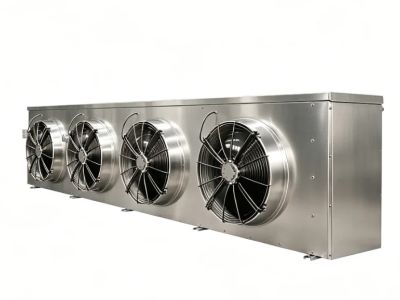
Cold Room Chiller Unit Specifications and Applications

Let's Discuss Your Needs

Every great collaboration starts with a friendly chat.
We're here to help you figure things out and find the best way forward.
Company Name
Name
Email
WhatsApp
Mobile

cold room chiller unit

Cold room chiller units are essential for maintaining optimal temperatures in various industrial applications, particularly within the food and pharmaceutical sectors. As a purchasing manager or engineer, understanding the specifications, installation guidelines, and supplier evaluation criteria is critical to making informed decisions. This article will explore the key aspects of cold room chiller units, helping you navigate the purchasing process effectively. Additionally, consider integrating Cold Room solutions into your operations for enhanced efficiency.

Key Specifications to Consider for Cold Room Chiller Units

Several critical specifications should be assessed when selecting a cold room chiller unit:

Cooling Capacity: This is measured in BTUs per hour or kilowatts. The cooling capacity must align with your storage requirements to ensure optimal temperature maintenance.

Temperature Range: Different applications require different temperature settings. Ensure the unit can maintain the necessary temperatures for your products, whether it's for frozen foods or temperature-sensitive pharmaceuticals.

Energy Efficiency: Look for units with high energy efficiency ratings. This not only reduces operational costs but also aligns with sustainability goals. Check for any energy-saving technologies or certifications.

Construction Materials: The materials used in the chiller unit affect durability and maintenance. Stainless steel is often preferred for its corrosion resistance and ease of cleaning, especially in food applications.

Control Systems: Advanced control systems with digital interfaces allow for precise temperature management and monitoring. They can also include alarms for temperature fluctuations, ensuring prompt action can be taken to prevent product spoilage.

Size and Dimensions: Confirm that the unit’s dimensions fit within your facility’s layout. This includes considering the airflow requirements for optimal performance.

By understanding these specifications, you can ensure that the chiller unit you select will meet the demands of your application effectively.
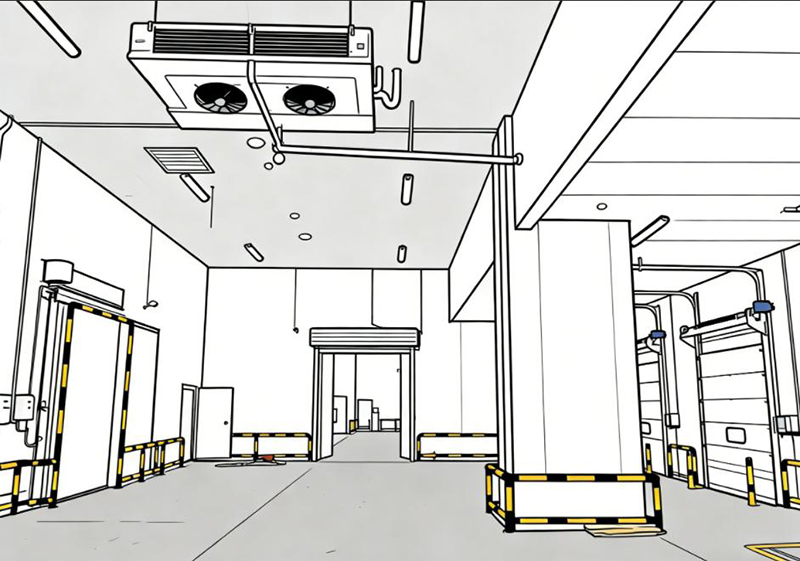
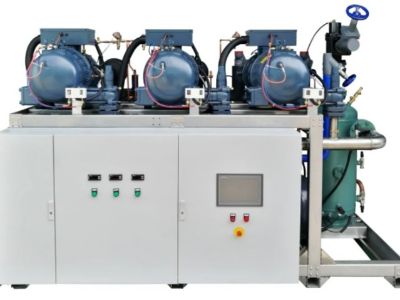
Installation Guidelines for Cold Room Chiller Units in Your Facility

Proper installation of cold room chiller units is crucial for their performance and longevity. Here are essential guidelines to follow:

Site Preparation: Ensure that the installation site is level and can support the weight of the unit. Adequate clearance for airflow and maintenance access is also necessary.

Electrical Requirements: Verify that the electrical supply meets the unit’s requirements. This includes voltage, phase, and amperage specifications. Engage a qualified electrician for safe installation.

Insulation: Proper insulation is vital for maintaining efficiency. Ensure that the cold room's walls, ceiling, and floor are adequately insulated to minimize heat ingress.

Temperature Monitoring: Install temperature monitoring systems to track performance continuously. This can include digital thermometers and remote monitoring capabilities.

Testing: After installation, conduct a thorough test of the system. This should include checking for refrigerant leaks, confirming temperature settings, and ensuring all components function correctly.

By adhering to these installation guidelines, you can avoid common pitfalls that may lead to inefficiencies or equipment failure.

Applications of Cold Room Chiller Units in Food and Pharma Industries

Cold room chiller units play a vital role in several applications across the food and pharmaceutical industries:

Food Storage: In the food industry, these units are essential for preserving perishable goods, maintaining quality, and extending shelf life. They are widely used in warehouses, distribution centers, and supermarkets.

Pharmaceutical Storage: For pharmaceuticals, maintaining a consistent temperature is critical for the efficacy of medications and vaccines. Cold room chillers are employed in hospitals, pharmacies, and research laboratories to safeguard sensitive products.

Logistics: In logistics, cold room chiller units ensure that products remain within required temperature ranges throughout the supply chain. This is crucial for compliance with safety regulations and customer satisfaction.

Food Processing: They are also used in food processing facilities to maintain temperature during production, ensuring safety and quality standards are met.

By understanding these applications, buyers can better assess how a cold room chiller unit will fit into their specific operational needs.

What to Look for in Cold Room Chiller Units

When evaluating cold room chiller units, several factors should guide your decision-making process:

Quality and Reliability: Look for units that have been tested under various conditions. Quality assurance processes during manufacturing can greatly influence performance.

Maintenance Requirements: Consider the ease of maintenance. Units designed for simple access to components for cleaning and servicing will save time and reduce downtime.

Warranty and Support: A robust warranty and responsive customer support can significantly enhance your purchasing decision. This ensures you have assistance for troubleshooting and repairs when needed.

Cost vs. Value: While price matters, assess the total cost of ownership, including installation, maintenance, and energy consumption. Sometimes, a higher initial investment can lead to significant savings in the long run.

Reviews and References: Seek feedback from other customers who have purchased similar units. Their experiences can provide valuable insights into the product’s performance and the supplier’s reliability.

By focusing on these elements, you can select a cold room chiller unit that not only meets your immediate needs but also provides long-term value for your operation.

Evaluating Cold Room Chiller Unit Suppliers

When assessing potential suppliers for cold room chiller units, consider their manufacturing capabilities, experience, and product range. Suppliers should have a proven track record in producing energy-efficient refrigeration systems tailored for specific applications, such as food storage and pharmaceuticals. Verify their production equipment and quality control processes, which directly impact the reliability and efficiency of their products. For instance, suppliers of REFRIGERATION UNITS can offer insights into energy-efficient designs.

It's also important to examine their customization capabilities. Suppliers that offer bespoke solutions can better meet your unique requirements, whether it’s specific temperature ranges, sizes, or configurations. Check their export markets to ensure they have experience shipping to your location, as this can affect lead times and shipping costs. Lastly, look for suppliers with relevant certifications that indicate adherence to industry standards, which can be a mark of their commitment to quality.

Frequently Asked Questions

What is a cold room chiller unit?

A cold room chiller unit is a refrigeration system that controls temperature and humidity for cold storage rooms, freezers, or processing areas, ensuring consistent cooling for food, pharma, and logistics applications.
Yes. We provide custom-engineered chiller units tailored in capacity, control logic, and automation to meet specific temperature, space, and regulatory requirements.
Our chillers serve food processing, cold storage, pharmaceuticals, and logistics facilities requiring reliable, energy-efficient temperature control and automated monitoring.
Our units are designed for energy efficiency using optimized compressors, heat exchangers, and controls to reduce power consumption and operating costs while maintaining target temperatures.
We offer installation support, system commissioning, automated control setup, training, and global after-sales service to ensure reliable operation and compliance with industry standards.

Our Blog Posts

10 Fascinating Facts About Cold Room You Never Knew!

12

Oct

10 Fascinating Facts About Cold Room You Never Knew!

The World's Largest "Refrigerator" Can Hold the Entire City of Rome. The global cold storage network is vast beyond imagination. For instance, the total storage capacity of one of North America's largest cold storage operators exceeds 400 million cub...
View More
how to clean condensing unit

03

Nov

how to clean condensing unit

Cleaning a condensing unit is essential for maintaining the efficiency and longevity of refrigeration systems, particularly in industries like food processing, pharmaceuticals, and logistics. Proper cleaning helps prevent malfunctions, reduces energy...
View More
what does evaporator coil do

03

Nov

what does evaporator coil do

Understanding what an evaporator coil does is essential for anyone involved in the purchasing or maintenance of refrigeration systems. These coils play a crucial role in cooling processes by absorbing heat from the environment, making them indispensa...
View More
what are the advantages of food preservation

03

Nov

what are the advantages of food preservation

Food preservation is a critical process that extends the shelf life of perishable goods such as fruits, vegetables, meats, and dairy products. Understanding the advantages of food preservation can greatly benefit businesses in the food industry, incl...
View More

Leave a Message

Email
Name
Company Name
Message
0/1000

Related product categories