Choosing the Right Chiller System for Your Business

Let's Discuss Your Needs

Every great collaboration starts with a friendly chat.
We're here to help you figure things out and find the best way forward.
Company Name
Name
Email
WhatsApp
Mobile

chiller system

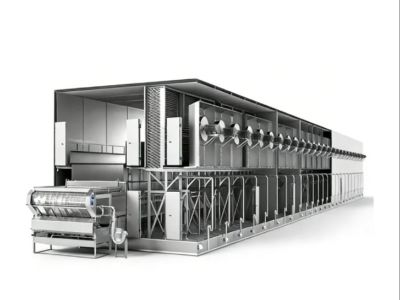
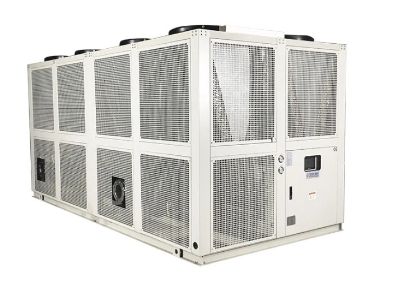
Chiller systems are essential components in various industries, providing temperature regulation for cold storage rooms, freezers, and ice machines. For businesses in the food, pharmaceutical, and logistics sectors, selecting the right chiller system can significantly impact operational efficiency and product quality. This article addresses key buyer concerns, including how to evaluate and choose the right system, essential specifications to consider, and common challenges faced during installation. By understanding these aspects, purchasing managers and engineers can make informed decisions that align with their business needs. Additionally, exploring options like Self-stacking Spiral Freezers can enhance storage efficiency.

Key Specifications to Consider When Sourcing Chiller Systems

When sourcing chiller systems, several key specifications must be thoroughly evaluated:

Cooling Capacity: Measured in tons or kilowatts, this indicates the amount of heat the system can remove. It’s essential to match this capacity with your cooling requirements to ensure optimal performance.

Type of Refrigerant: Different refrigerants have varying environmental impacts and operational efficiencies. Ensure that the refrigerant used in the chiller complies with local regulations and is appropriate for your application.

Temperature Range: Determine the specific temperature range necessary for your operations. Some applications may require precise temperature control, which can influence the type of chiller system you choose.

Energy Efficiency Ratio (EER): This ratio measures the system's cooling output relative to its energy consumption. A higher EER indicates a more efficient system, leading to cost savings over time.

Noise Levels: For installations in populated areas or near sensitive equipment, noise levels can be a critical factor. Assess the decibel levels of the chiller system to ensure compliance with local regulations and operational comfort.

By understanding these specifications, buyers can better assess various options and select a chiller system that meets their operational needs and budget constraints.
Key Factors for Buyers

Several critical factors can influence the purchasing decision for chiller systems:

Customization Needs: Many industries require specific configurations for their chiller systems. A manufacturer with strong customization capabilities can provide tailored solutions that meet unique operational demands.

Lead Times: Understanding the lead time for manufacturing and delivery is essential, especially if you have tight project deadlines or seasonal demands. Confirming these timelines upfront can prevent operational delays.

Quality Assurance Processes: Inquire about the manufacturer’s quality control measures. A robust quality assurance process ensures that the chiller system will perform reliably and meet industry standards.

Support and Maintenance: Consider the level of technical support and maintenance services provided. A manufacturer that offers comprehensive after-sales support can be invaluable in addressing issues that arise during operation.

Total Cost of Ownership (TCO): Beyond the initial purchase price, assess the total cost of ownership, including energy consumption, maintenance, and potential downtime costs. A more expensive, energy-efficient system may offer lower TCO in the long run.

Understanding these factors can help buyers make informed decisions that align with their operational goals and financial constraints.

Common Installation Challenges for Chiller Systems and Solutions

Installing a chiller system can pose various challenges, and being aware of these in advance can facilitate smoother implementation:

Space Constraints: Often, installation sites may have limited space, making it challenging to fit the chiller system. Conducting a thorough site assessment prior to installation can help identify potential issues and enable better planning.

Access to Utilities: Ensuring that there is adequate access to electrical, water, and drainage lines is crucial. Coordination with facility management before installation can mitigate delays.

Vibration and Noise: Chiller systems can generate significant noise and vibrations, which may affect nearby operations. Implementing vibration isolation pads or acoustic enclosures can help minimize these issues.

System Integration: Integrating the chiller system with existing equipment can be complex. Early collaboration with the manufacturer to discuss compatibility and integration solutions can lead to a more effective setup.

By anticipating these challenges and planning accordingly, businesses can minimize downtime and ensure successful installation.

Understanding Cost Factors in Chiller System Purchases

The cost of a chiller system can vary widely based on several factors:

System Type and Size: Larger and more complex systems will naturally incur higher costs. The required capacity and features will influence the overall pricing.

Customization Options: Customized systems tailored to specific applications often come at a premium. While customization can enhance performance, buyers should evaluate whether the additional cost aligns with their operational needs.

Energy Efficiency Features: Chiller systems with advanced energy-saving technologies may have higher upfront costs but can lead to significant savings over time through reduced energy consumption.

Installation Costs: Don’t overlook the costs associated with installation, which can include labor, site preparation, and any necessary modifications to existing infrastructure.

Ongoing Maintenance: Factor in potential maintenance costs, as regular servicing is essential to ensure optimal performance and longevity of the system.

By understanding these cost factors, buyers can better budget for their chiller system purchases and make more strategic decisions that align with their financial goals.

How to Choose the Right Chiller System for Your Business Needs

Choosing the right chiller system begins with understanding your specific requirements. Factors to consider include the intended application (e.g., food storage, pharmaceutical manufacturing), the scale of operations, and the required temperature range. For example, a chiller used for food storage may require tighter temperature controls to ensure product safety, while pharmaceutical applications may necessitate compliance with stringent regulations.

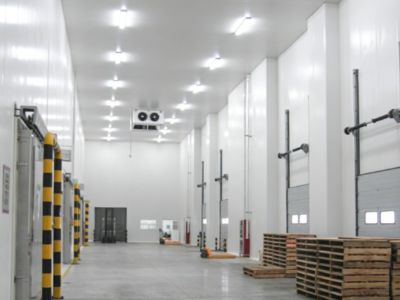
Next, consider the size and capacity of the chiller system. It should be capable of meeting your cooling demands without excessive energy consumption. Oversizing can lead to higher operational costs, while undersizing may result in inadequate cooling and product spoilage. Consulting with a manufacturer experienced in customizing chiller systems can help tailor solutions to your operational specifications, such as Containerized Cold Room options that provide flexible storage solutions.

Lastly, evaluate energy efficiency ratings, as energy costs are a significant part of operating expenses. Look for systems with certifications or features that enhance energy efficiency, which can provide long-term savings and a smaller environmental footprint.

Frequently Asked Questions

What is this chiller system designed for?

Our chiller system is engineered for reliable temperature control in food, pharmaceutical, and logistics cold storage, freezers, and process cooling applications.
Yes. We provide custom-engineered chillers tailored to capacity, footprint, control integration, and automation needs for varied industries and site conditions.
The system uses optimized compressors, heat exchangers, and controls to minimize energy use and operational costs while maintaining stable temperatures.
Yes. We provide professional installation, start-up, and commissioning, including system testing and integration with existing controls or automation.
We offer global technical support, preventive maintenance plans, spare parts, and remote monitoring options to ensure long-term performance and uptime.

Our Blog Posts

what is a chiller used for

03

Nov

what is a chiller used for

Industrial chillers are critical components in various sectors, providing precise temperature control for a range of applications. Understanding what a energy-efficient chillers is used for can greatly influence purchasing decisions for business...
View More
what is the standard temperature of chiller

03

Nov

what is the standard temperature of chiller

Understanding the standard temperature of chillers is crucial for multiple industries, including food, pharmaceuticals, and logistics. This article dives into the specifics of what is the standard temperature of a energy-efficient chillers, addressin...
View More
controlled atmosphere storage of fruits and vegetables

03

Nov

controlled atmosphere storage of fruits and vegetables

Controlled atmosphere storage of fruits and vegetables is a critical component in preserving the quality and extending the shelf life of produce. These specialized storage solutions regulate temperature, humidity, and gas composition to slow down rip...
View More
what are the advantages of food preservation

03

Nov

what are the advantages of food preservation

Food preservation is a critical process that extends the shelf life of perishable goods such as fruits, vegetables, meats, and dairy products. Understanding the advantages of food preservation can greatly benefit businesses in the food industry, incl...
View More

Leave a Message

Email
Name
Company Name
Message
0/1000

Related product categories