Choosing the Right Chiller Air Conditioner

Let's Discuss Your Needs

Every great collaboration starts with a friendly chat.
We're here to help you figure things out and find the best way forward.
Company Name
Name
Email
WhatsApp
Mobile

chiller air conditioner

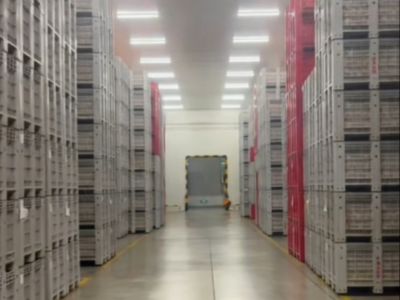
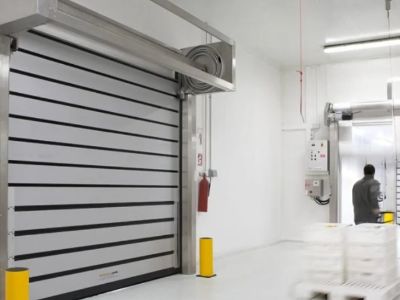
Choosing the right chiller air conditioner is crucial for businesses in sectors like food processing, pharmaceuticals, and logistics, where temperature control is paramount. A chiller air conditioner efficiently removes heat from a liquid via a vapor-compression or absorption refrigeration cycle, ensuring a stable and suitable environment for various applications. Buyers often seek information on specifications, quality standards, and potential issues to make informed purchasing decisions. This article will guide you through key considerations and provide insights into selecting and maintaining chiller air conditioners tailored to your project needs.

Understanding the Quality Standards of Chiller Air Conditioners

Quality standards play a pivotal role in the performance and longevity of chiller air conditioners. Reputable manufacturers often adhere to international standards such as ISO 9001, which emphasizes quality management systems. Compliance with these standards ensures consistent manufacturing processes and product reliability.

Additionally, look for certifications specific to energy efficiency, such as AHRI (Air-Conditioning, Heating, and Refrigeration Institute) certification, which validates the performance claims of cooling systems. Buyers should examine the manufacturing processes and quality control measures employed by the manufacturer. This includes routine inspections, testing of components, and adherence to established production protocols.

It’s also essential to have a clear understanding of the warranty terms and conditions offered by the manufacturer. A robust warranty can be indicative of confidence in product quality, providing buyers with peace of mind regarding their investment.
Key Application Scenarios for Chiller Air Conditioners in Industries

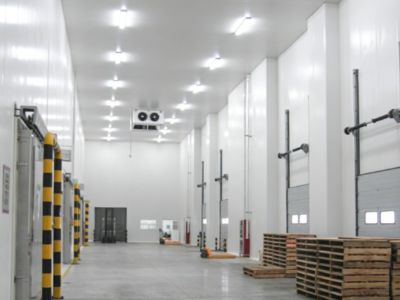
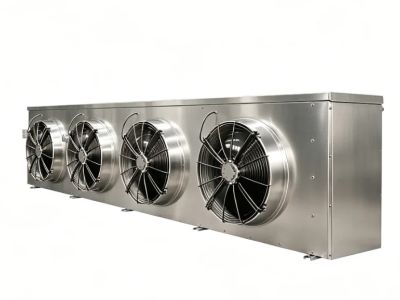
Chiller air conditioners are versatile and applicable in various industries. In the food and beverage sector, they maintain optimal temperatures for storage and processing to ensure food safety and quality. For instance, in meat processing facilities, maintaining a controlled environment is critical to prevent spoilage.

In the pharmaceutical industry, chilled environments are necessary for storing sensitive products that require strict temperature control to maintain efficacy. Chiller systems that comply with Good Manufacturing Practices (GMP) are essential for these applications.

Logistics and transportation sectors also rely heavily on chiller air conditioners for refrigerated trucks and cold chain facilities. Maintaining the correct temperature during transit is vital for preserving the integrity of perishable goods.

Common Problems with Chiller Air Conditioners and Their Solutions

Chiller air conditioners can encounter several common issues that may affect performance. One prevalent problem is inadequate cooling, often caused by dirty coils or filters obstructing airflow. Regular maintenance, including cleaning and replacing filters, can mitigate this issue.

Another issue is refrigerant leaks, which can lead to decreased efficiency and increased operational costs. It’s important to have a qualified technician inspect the system periodically to detect and repair leaks promptly.

Noise is also a concern for many users, especially in environments where quiet operation is necessary. Excessive noise can be attributed to worn-out components or improper installation. Regular servicing and choosing models designed for quieter operation can help alleviate this problem.

Lastly, buyers should be aware that overloading the chiller can lead to system failures. Ensuring that the chiller's capacity matches the operational demands is crucial to avoid such issues.

Cost Factors to Evaluate When Purchasing Chiller Air Conditioners

When budgeting for chiller air conditioners, several cost factors must be considered beyond the initial purchase price. First, evaluate the energy costs associated with running the unit. Energy-efficient models may have a higher upfront cost but can lead to significant savings over time.

Maintenance costs should also be factored into the overall budget. Regular upkeep, including routine inspections and repairs, is essential for ensuring the longevity and efficiency of the system. Buyers should inquire about the manufacturer’s recommendations for maintenance schedules and associated costs.

Installation costs can vary significantly based on the complexity of the setup and the need for any modifications to existing infrastructure. It’s advisable to obtain quotes from qualified contractors who can provide a detailed estimate based on your specific needs.

Additionally, consider the potential costs associated with downtime due to equipment failure. Investing in a reliable chiller air conditioner from a reputable manufacturer, like Shanghai Zhaoxue Refrigeration Co., Ltd., can minimize operational interruptions and enhance productivity.

By understanding these cost factors and the overall value proposition of a chiller air conditioner, buyers can make more informed purchasing decisions that align with their operational goals.

What to Consider When Choosing a Chiller Air Conditioner for Your Projec

When selecting a chiller air conditioner, several factors should be evaluated to ensure optimal performance for your specific application. First, consider the cooling capacity, which is typically measured in tons or kilowatts. This specification indicates how much heat the unit can remove within a specified time. For applications like cold storage rooms or food processing, it’s essential to match the chiller's capacity to the heat load expected in the environment. Utilizing a Cold Room can significantly enhance temperature management in these scenarios.

Next, assess energy efficiency, often indicated by the Energy Efficiency Ratio (EER) or Coefficient of Performance (COP). Higher values suggest better energy performance, which is crucial for long-term operational costs. Additionally, investigate the refrigerant used in the system, as certain types may be more environmentally friendly or efficient than others.

Finally, consider the layout and design of your facility. The chiller air conditioner should fit seamlessly into the existing infrastructure, allowing for proper airflow and maintenance access. Custom-engineered solutions may be necessary if space is limited or if specific operational requirements must be met. For instance, a Containerized Cold Room can provide a flexible option that adapts to various spatial constraints.

Frequently Asked Questions

What cooling capacity does the chiller air conditioner offer?

Capacity is custom-engineered to project needs, ranging from small commercial units to large industrial systems. Contact us with your required temperature and space to receive a tailored specification and quote.
Yes. Systems are designed for food and pharma with hygienic refrigerants, precise temperature control, and compliance with industry hygiene and preservation requirements.
Absolutely. We provide control integration for automated cold storage and logistics systems, with options for remote monitoring, PLC control, and data logging.
Our chillers use efficient compressors, variable-frequency drives, optimized heat exchangers, and intelligent controls to minimize power use while maintaining stable temperatures.
Yes. We provide full installation, commissioning, preventive maintenance, and spare parts support worldwide, with service plans tailored to operational needs.

Our Blog Posts

what is a chiller used for

03

Nov

what is a chiller used for

Industrial chillers are critical components in various sectors, providing precise temperature control for a range of applications. Understanding what a energy-efficient chillers is used for can greatly influence purchasing decisions for business...
View More
what does evaporator coil do

03

Nov

what does evaporator coil do

Understanding what an evaporator coil does is essential for anyone involved in the purchasing or maintenance of refrigeration systems. These coils play a crucial role in cooling processes by absorbing heat from the environment, making them indispensa...
View More
controlled atmosphere storage of fruits and vegetables

03

Nov

controlled atmosphere storage of fruits and vegetables

Controlled atmosphere storage of fruits and vegetables is a critical component in preserving the quality and extending the shelf life of produce. These specialized storage solutions regulate temperature, humidity, and gas composition to slow down rip...
View More
what are the methods of food preservation

03

Nov

what are the methods of food preservation

Food preservation is a critical process for maintaining the quality and safety of perishable items, especially in the food industry. Understanding what are the methods of food preservation can help businesses minimize waste, ensure product integrity,...
View More

Leave a Message

Email
Name
Company Name
Message
0/1000

Related product categories