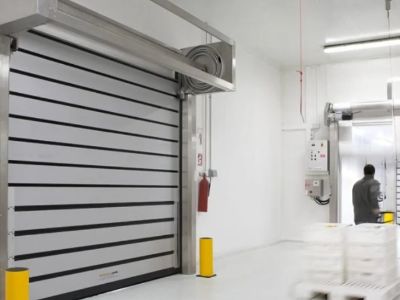
Choosing the Right Modular Freezer Room

Let's Discuss Your Needs

Every great collaboration starts with a friendly chat.
We're here to help you figure things out and find the best way forward.
Company Name
Name
Email
WhatsApp
Mobile

modular freezer room

Modular freezer rooms are specialized cold storage facilities designed to efficiently preserve temperature-sensitive products, such as food and pharmaceuticals. As demand for energy-efficient solutions grows, selecting the right modular freezer room becomes crucial for businesses aiming to maximize operational efficiency while minimizing energy costs. We will explore key considerations for purchasing a modular freezer room, including specifications, cost factors, installation challenges, and quality control processes, empowering B2B buyers to make informed decisions.

Key Specifications to Evaluate in Modular Freezer Rooms

When assessing modular freezer rooms, certain specifications are critical to ensuring optimal performance. Key specifications include:

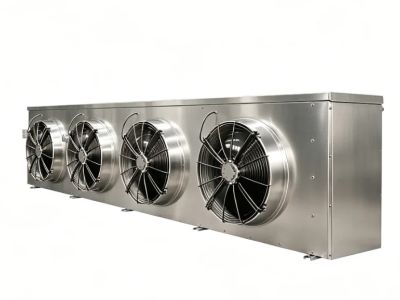
Insulation Thickness: The thickness of the insulation impacts energy efficiency and temperature stability. Thicker insulation generally provides better thermal performance, reducing energy costs.Material: Common materials include galvanized steel and stainless steel. Galvanized steel is cost-effective and resistant to corrosion, while stainless steel offers superior durability and hygiene, making it ideal for food applications.Cooling Capacity: Measured in kilowatts (kW), cooling capacity indicates how quickly the room can reach and maintain the desired temperature. Ensure it matches your storage needs to prevent energy waste or product spoilage.Dimensions: Consider the height, width, and depth of the freezer room to ensure it fits within your facility's constraints. Pay attention to door sizes for easy access, especially in high-traffic areas. Understanding these specifications will enable you to select a modular freezer room that meets your performance and operational needs.
Cost Factors to Consider When Purchasing Modular Freezer Rooms

The cost of a modular freezer room can vary significantly based on several factors. Key cost considerations include:

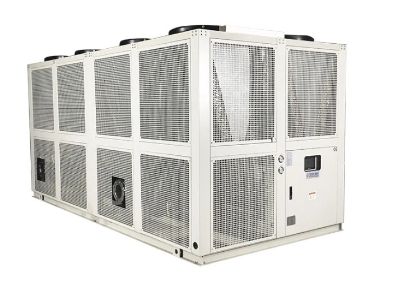
Size and Configuration: Larger and more complex configurations will typically incur higher costs. Custom designs tailored to specific requirements also contribute to increased expenses.Insulation and Materials: Higher-quality insulation and materials, such as stainless steel, will raise the initial investment but may lead to long-term energy savings.Cooling Systems: The type of refrigeration system—whether air-cooled or water-cooled—affects both purchase price and operating costs. Water-cooled systems may have higher upfront costs but can offer better efficiency in the long run.Installation Costs: Don’t forget to factor in installation costs, which can vary depending on the complexity of the project and local labor rates. Proper installation is crucial for ensuring the system operates efficiently and meets regulatory standards. Being aware of these cost factors helps buyers prepare accurate budgets and evaluate the total cost of ownership over the lifetime of the freezer room.

Common Installation Challenges for Modular Freezer Rooms and Solutions

Installing a modular freezer room can present several challenges. Here are some common issues along with potential solutions:

Site Preparation: Proper site preparation is essential for a smooth installation. Ensure the installation area is level and capable of supporting the weight of the freezer. Inadequate preparation can lead to operational problems down the line.Electrical and Plumbing Requirements: Verify that your facility can accommodate the electrical and plumbing needs of the system. Engage with professionals to ensure that all codes and standards are met.Temperature Calibration: Post-installation, calibrating the temperature settings can be tricky. It’s important to conduct thorough testing to ensure the room maintains the desired conditions. Manufacturers often provide guidelines or support for this process.Compliance with Regulations: Familiarize yourself with local regulations regarding cold storage facilities. Ensuring compliance can prevent costly fines and operational disruptions. Addressing these challenges early on can lead to a successful installation and ongoing efficiency.

Ensuring Quality Control in Modular Freezer Room Manufacturing Process

Quality control is paramount in the manufacturing of modular freezer rooms. Here are some essential practices to ensure reliability:

Material Inspection: Before production, materials should be inspected for quality and suitability. This step prevents issues that could arise from using substandard components.Production Oversight: Employ rigorous oversight during the manufacturing process. Regularly scheduled inspections and audits help maintain quality standards and identify potential defects early.Testing Protocols: Implement testing protocols that evaluate the performance of the freezer room under various conditions. This includes temperature stability tests, efficiency assessments, and safety checks.Certification and Compliance: Ensure the manufacturing facility adheres to industry standards and certifications relevant to cold storage systems. This may include ISO certifications or compliance with food safety regulations. By prioritizing quality control throughout the manufacturing process, buyers can trust that their modular freezer room will perform as expected, ensuring the safety and integrity of stored products.

Selecting the right modular freezer room involves understanding your business needs, evaluating key specifications, considering cost factors, addressing installation challenges, and ensuring quality control in manufacturing. With careful consideration and collaboration with experienced manufacturers, businesses can invest in a solution that enhances operational efficiency and meets regulatory requirements effectively. Additionally, exploring options like Tunnel Freezers may also provide efficient alternatives for specific storage and freezing needs.

How to Choose the Right Modular Freezer Room for Your Business Needs

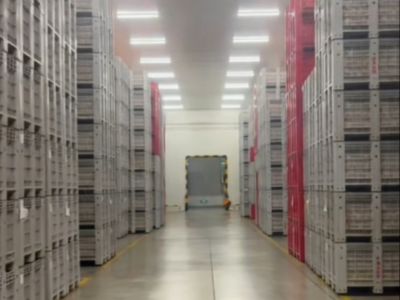
Choosing the right modular freezer room begins with understanding your specific operational requirements. Consider factors such as the type of products you need to store, the required temperature range, and the available space. For instance, food products may require a freezer room capable of maintaining temperatures below -18°C, while pharmaceuticals may need stricter conditions. Additionally, evaluate the size and layout of the space where the freezer will be installed. For enhanced efficiency, you might also consider a Self-stacking Spiral Freezer for certain applications.

Customization is also vital; a modular design allows for flexible configurations to suit various applications. Ensure the system can be adapted for future expansion or changes in product storage. Collaborating with a manufacturer experienced in custom-engineered solutions, like Shanghai Zhaoxue Refrigeration Co., Ltd., can help align the freezer room with your unique business needs.

Frequently Asked Questions

What is a modular freezer room?

A modular freezer room is a prefabricated, insulated cold storage unit assembled on site. It offers flexible sizing, fast installation, and integrated refrigeration for food, pharma, and logistics use.
Yes. We provide custom-engineered layouts, temperature ranges, shelving, doors, and automation to meet specific product, workflow, and regulatory needs.
Modular freezer rooms support a wide range, typically from -40°C to +10°C, configurable by application and insulation thickness to ensure energy-efficient performance.
Installation time varies with size and complexity but modular units are designed for rapid assembly, often completed in days to a few weeks, minimizing operational downtime.
Yes. We supply integrated control systems for temperature, defrost cycles, alarms, and remote monitoring, enabling energy-efficient operation and compliance tracking.

Our Blog Posts

what is the standard temperature of chiller

03

Nov

what is the standard temperature of chiller

Understanding the standard temperature of chillers is crucial for multiple industries, including food, pharmaceuticals, and logistics. This article dives into the specifics of what is the standard temperature of a energy-efficient chillers, addressin...
View More
what does evaporator coil do

03

Nov

what does evaporator coil do

Understanding what an evaporator coil does is essential for anyone involved in the purchasing or maintenance of refrigeration systems. These coils play a crucial role in cooling processes by absorbing heat from the environment, making them indispensa...
View More
controlled atmosphere storage of fruits and vegetables

03

Nov

controlled atmosphere storage of fruits and vegetables

Controlled atmosphere storage of fruits and vegetables is a critical component in preserving the quality and extending the shelf life of produce. These specialized storage solutions regulate temperature, humidity, and gas composition to slow down rip...
View More
what are the methods of food preservation

03

Nov

what are the methods of food preservation

Food preservation is a critical process for maintaining the quality and safety of perishable items, especially in the food industry. Understanding what are the methods of food preservation can help businesses minimize waste, ensure product integrity,...
View More

Leave a Message

Email
Name
Company Name
Message
0/1000

Related product categories