EN

Commercial chillers are vital systems used in various industries to maintain low temperatures for perishable goods, pharmaceuticals, and other temperature-sensitive products. For B2B buyers—such as purchasing managers, distributors, and engineers—the primary concerns include energy efficiency, reliability, and compliance with industry standards. This article will explore essential purchasing considerations for commercial chillers, including wholesale options, key specifications, installation guidance, features and benefits, and typical applications across different sectors.
Key Specifications to Evaluate in Commercial Chillers
When selecting a commercial chiller, several key specifications need to be evaluated to ensure suitability for your application:
Cooling Capacity: Measured in BTUs or kW, this indicates the chiller's ability to remove heat. You need to calculate the cooling load based on your storage requirements to select an appropriate capacity.
Energy Efficiency Ratio (EER): This metric indicates the efficiency of the chiller. A higher EER means lower operational costs. Look for models that comply with the latest energy efficiency standards to minimize long-term expenses.
Temperature Range: Ensure the chiller can maintain the specific temperatures required for your products. Some applications may require ultra-low temperatures, while others may function effectively at moderate levels.
Refrigerant Type: The choice of refrigerant can impact both performance and environmental compliance. Familiarize yourself with the different refrigerants available and consider regulations such as the Montreal Protocol when making your selection.
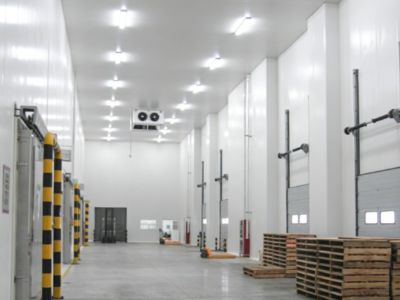
Dimensions and Configuration: The physical dimensions and layout of the chiller must fit into your facility’s space. Custom configurations may be necessary for unique setups or tight spaces. For instance, Cold Room solutions often require specific size considerations.
Understanding these specifications will help in selecting a chiller that meets both your operational needs and compliance requirements.