Cold Room Panel Manufacturers: Key Insights

Let's Discuss Your Needs

Every great collaboration starts with a friendly chat.
We're here to help you figure things out and find the best way forward.
Company Name
Name
Email
WhatsApp
Mobile

cold room panel manufacturers

Cold room panels are essential components in the construction of energy-efficient cold storage facilities, freezers, and ice machines. As a B2B buyer, it is crucial to understand the specifications, sourcing options, applications, quality standards, and potential issues associated with these panels. This article will guide you through evaluating cold room panel specifications, sourcing reliable suppliers, identifying key applications in food and pharma industries, comparing quality standards among manufacturers, and addressing common problems with cold room panels.

Where to Source Reliable Cold Room Panel Suppliers in Bulk

Sourcing reliable cold room panel suppliers is essential for ensuring consistent quality and service. Here are several strategies for finding reputable manufacturers:

Industry Trade Shows: Attending trade shows related to refrigeration and cold storage can provide direct access to manufacturers and suppliers. This allows you to assess their products firsthand and discuss your specific needs.

Online Marketplaces and Directories: Utilize B2B platforms like Alibaba, ThomasNet, or industry-specific directories to find manufacturers. Check ratings, reviews, and client testimonials to gauge reliability and performance.

Referrals and Networking: Leverage your professional network or industry associations to get recommendations for trusted suppliers. Existing partnerships in the industry can lead you to reputable manufacturers that may not be widely advertised.

Quality Certifications: Ensure the suppliers you consider adhere to quality standards such as ISO certifications. This demonstrates their commitment to maintaining consistent quality control processes.

Requesting Samples: Always request samples before placing bulk orders. This allows you to verify the quality and ensure that the panels meet your specifications.

By employing these strategies, you can identify suppliers that not only provide competitive pricing but also meet your quality and service expectations.
Key Applications of Cold Room Panels in Food and Pharma Industries

Cold room panels serve critical roles across various applications, particularly in the food and pharmaceutical industries:

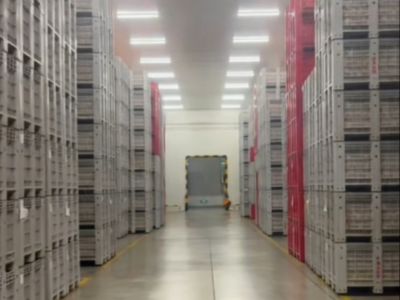
Food Storage: Cold room panels are vital for maintaining the quality and safety of perishable goods. They provide energy-efficient insulation that keeps temperatures stable, reducing spoilage and waste. Applications include storing meats, dairy products, fruits, and vegetables.

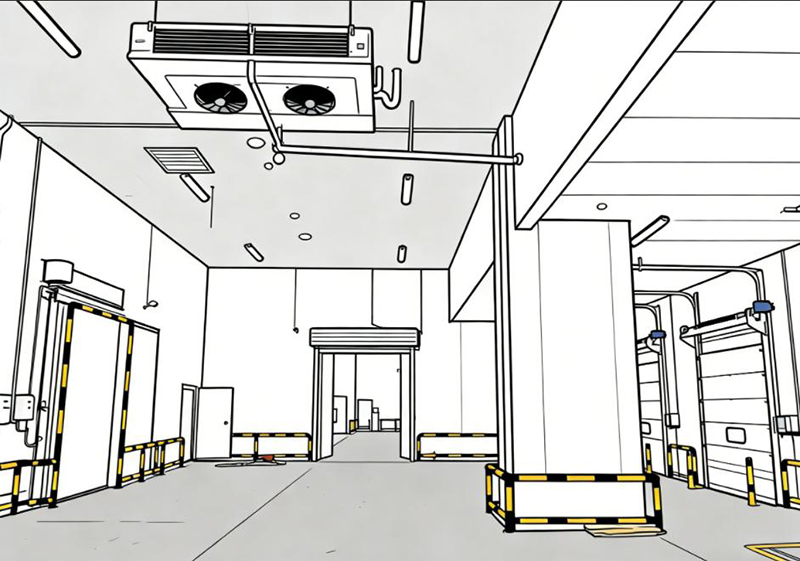
Pharmaceutical Storage: In the pharmaceutical sector, maintaining strict temperature controls is essential for the integrity of medications and vaccines. Cold room panels help create environments that meet regulatory requirements for temperature-sensitive products, ensuring efficacy and safety.

Logistics and Distribution: Cold room panels are also used in logistics centers and distribution warehouses where temperature-controlled storage is necessary for efficient supply chain management. They allow for the safe storage and handling of temperature-sensitive goods during transportation.

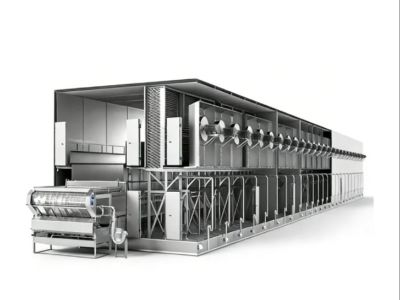
Ice Production: Ice manufacturers rely on cold room panels to create efficient freezing environments that minimize energy consumption and maximize output. Additionally, options like blast freezers can enhance the ice production process.

Understanding these applications helps buyers to select the right panels based on their industry needs, ensuring optimal performance and compliance.

Comparing Quality Standards Among Cold Room Panel Manufacturers

Quality standards can vary significantly among cold room panel manufacturers. Here are key areas to consider when comparing options:

Manufacturing Processes: Investigate the manufacturing processes used by potential suppliers. Advanced techniques, such as continuous lamination and automated production, often result in higher quality and consistency in panel performance.

Material Certifications: Ensure that the materials used in the panels meet industry standards. Certifications for insulation materials can indicate performance levels regarding fire resistance, moisture resistance, and durability.

Quality Control Protocols: A reputable manufacturer will have stringent quality control processes in place. Ask about their testing procedures for insulation performance, structural integrity, and thermal efficiency.

Warranty Offerings: Examine the warranty terms offered by manufacturers. A comprehensive warranty can provide reassurance about the product’s longevity and performance.

Customer Feedback: Research customer feedback and case studies to understand how different manufacturers' products have performed in real-world applications. Positive testimonials can be a strong indicator of a manufacturer’s reliability.

By carefully comparing these quality standards, buyers can make informed decisions that align with their operational requirements and budget constraints.

Common Problems with Cold Room Panels and Effective Solutions

Despite their advantages, cold room panels can encounter several common issues. Here are some problems and recommended solutions:

Thermal Bridging: This occurs when heat transfers through panel joints or connections, compromising energy efficiency. To mitigate this, ensure that panels feature proper sealing and use thermal breaks where necessary.

Moisture Ingress: Moisture can penetrate panels, leading to mold growth and structural damage. To prevent this, select panels with moisture-resistant materials and ensure proper installation to minimize seams and gaps.

Insufficient Insulation: If panels do not provide adequate insulation, energy costs can skyrocket. Verify the R-value and consider conducting a thermal imaging inspection post-installation to identify any deficiencies.

Physical Damage: Cold room panels can be subject to physical wear and tear. During installation and operation, ensure that proper handling procedures are followed to minimize potential damage. Using protective coatings can also enhance durability.

Poor Installation Practices: Incorrect installation can lead to gaps and thermal leaks. Work with experienced contractors familiar with cold room panel installations to ensure compliance with best practices.

By being aware of these common issues and implementing effective solutions, buyers can enhance the longevity and performance of their cold room panels, ultimately leading to better energy efficiency and product integrity.

How to Evaluate Cold Room Panel Specifications Before Purchasing

When considering cold room panels, several specifications are critical to ensuring they meet your operational needs. Key factors include thickness, material, insulation value, and sealing mechanisms.

Thickness: The thickness of cold room panels can significantly affect insulation performance. Thicker panels typically provide better thermal resistance, which is essential for maintaining low temperatures in storage applications. Evaluate the R-value (insulation value) that corresponds to the intended temperature range of your cold storage.

Material: Common materials for cold room panels include polyurethane, polystyrene, and EPS (expanded polystyrene). Polyurethane panels usually offer superior insulation properties but may come at a higher cost. Consider the chemical exposure and moisture levels in your application to determine the most suitable material.

Sealing Mechanisms: Proper sealing is crucial to prevent thermal leaks and maintain energy efficiency. Look for panels with tongue-and-groove edges and high-quality sealants to ensure airtight connections.

Customization Options: Assess whether the manufacturer can customize panel dimensions and other specifications to suit your unique requirements, which may vary based on the design of your cold storage facility.

Taking the time to evaluate these specifications can prevent costly mistakes and ensure that the panels you purchase will meet your operational demands effectively.

Frequently Asked Questions

What cold room panels do you manufacture?

We produce insulated sandwich panels for cold rooms, freezers, and refrigerated storage in various thicknesses and core materials to suit temperature ranges from blast freeze to chilled storage.
Yes. We design and supply custom panels and layouts integrated with automated systems to meet specific size, load, and workflow requirements for food, pharma, or logistics sites.
We offer polyurethane and PIR core panels with a range of thicknesses delivering high R-values. Specific R-values are selected based on required temperature, energy targets, and regulatory needs.
Yes. We offer project management, on-site installation guidance, commissioning, and after-sales technical support to ensure proper assembly and energy-efficient operation.
Our panels are designed for hygienic, easy-to-clean surfaces and meet common industry requirements for food and pharmaceutical cold storage. We also offer documentation for regulatory compliance.

Our Blog Posts

10 Fascinating Facts About Cold Room You Never Knew!

12

Oct

10 Fascinating Facts About Cold Room You Never Knew!

The World's Largest "Refrigerator" Can Hold the Entire City of Rome. The global cold storage network is vast beyond imagination. For instance, the total storage capacity of one of North America's largest cold storage operators exceeds 400 million cub...
View More
what is the standard temperature of chiller

03

Nov

what is the standard temperature of chiller

Understanding the standard temperature of chillers is crucial for multiple industries, including food, pharmaceuticals, and logistics. This article dives into the specifics of what is the standard temperature of a energy-efficient chillers, addressin...
View More
controlled atmosphere storage of fruits and vegetables

03

Nov

controlled atmosphere storage of fruits and vegetables

Controlled atmosphere storage of fruits and vegetables is a critical component in preserving the quality and extending the shelf life of produce. These specialized storage solutions regulate temperature, humidity, and gas composition to slow down rip...
View More
what are the advantages of food preservation

03

Nov

what are the advantages of food preservation

Food preservation is a critical process that extends the shelf life of perishable goods such as fruits, vegetables, meats, and dairy products. Understanding the advantages of food preservation can greatly benefit businesses in the food industry, incl...
View More

Leave a Message

Email
Name
Company Name
Message
0/1000

Related product categories