Choosing the Right Chiller Unit for Your Needs

Let's Discuss Your Needs

Every great collaboration starts with a friendly chat.
We're here to help you figure things out and find the best way forward.
Company Name
Name
Email
WhatsApp
Mobile

chiller unit

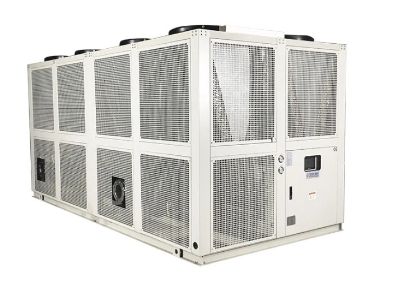
Choosing the right chiller unit is crucial for industries ranging from food storage to pharmaceuticals. With varying designs, specifications, and performance metrics, buyers face several concerns, including energy efficiency, reliability, and application suitability. This article will guide purchasing managers and engineers through the essential aspects of selecting, sourcing, and maintaining chiller units to ensure optimal performance for specific project needs.

Where to Source Reliable Chiller Units for Your Business

Sourcing reliable chiller units involves evaluating potential suppliers based on their manufacturing capabilities, industry experience, and product range. Start by seeking manufacturers with a strong reputation in the refrigeration industry. Research their background, including years in business, expertise in specific applications (such as food, pharma, or logistics), and any relevant certifications that signify adherence to quality standards.

When considering suppliers, inquire about their production processes and quality control measures. A reputable manufacturer, like Shanghai Zhaoxue Refrigeration Co., Ltd., will have robust quality assurance protocols in place to ensure product consistency and reliability. Ask for information on their production equipment, testing procedures, and quality certifications, as these can significantly impact the performance and reliability of the chiller units. For instance, consider exploring options such as REFRIGERATION UNITS that provide comprehensive solutions.

Additionally, consider the supplier's export experience and global reach. A manufacturer familiar with international markets is more likely to understand the specific requirements and challenges of different regions, which can be beneficial in ensuring compliance with local regulations.

Lastly, engage in discussions with potential suppliers to gauge their responsiveness and willingness to provide support. Reliable suppliers should be open to answering questions, offering technical advice, and providing post-sale support, ensuring a smooth purchasing experience.
Installation Guidance for Efficient Chiller Unit Setup

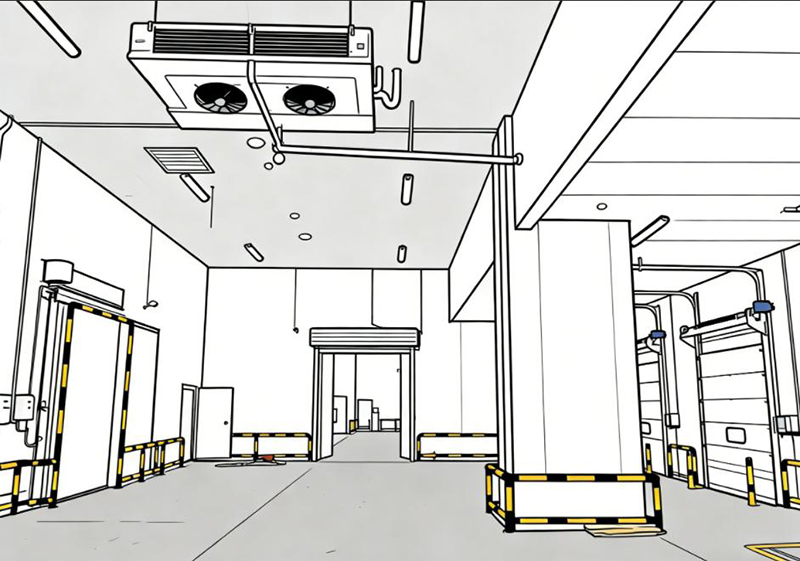
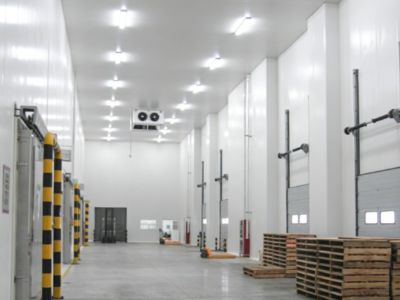
Proper installation of a chiller unit is vital for its efficient operation and longevity. Begin by reviewing the installation site to ensure it meets all requirements, such as adequate space for airflow, maintenance access, and proper foundation support. The unit should be positioned to minimize exposure to direct sunlight and other heat sources to maintain optimal efficiency.

Before installation, it is crucial to consult the manufacturer's installation guidelines for specific requirements regarding electrical connections, piping, and drainage. Ensure that the electrical supply matches the unit's specifications to avoid performance issues. Inadequate electrical supply can lead to compressor failure or operational inefficiencies.

During installation, pay close attention to the refrigerant piping. Ensure that all connections are secure and properly insulated to prevent leaks and energy loss. This is particularly important in environments where temperature control is critical. After installation, run a series of tests to check for leaks, proper refrigerant charge, and overall system performance.

Finally, consider engaging a professional installer with experience in chiller unit installations. Their expertise can help prevent common installation pitfalls and ensure that the unit operates efficiently from the outset.

Common Chiller Unit Problems and Effective Solutions

Chiller units can encounter several common issues that may affect their performance. One frequent problem is compressor failure, which can be caused by insufficient lubrication, overheating, or electrical faults. To mitigate this risk, ensure regular maintenance is conducted, including checking oil levels, cleaning filters, and monitoring electrical components.

Another issue is refrigerant leaks, which can reduce the system's cooling capacity and lead to higher energy costs. Regular inspections of the refrigerant lines and connections can help identify potential leak points. If a leak is detected, it is crucial to address it immediately by either repairing the affected area or replacing the component. Utilizing high-quality ICE MACHINE technology can also improve overall system reliability.

Condensate drainage problems can also arise, leading to water accumulation and potential system damage. Ensure that the drain pan and lines are regularly cleaned and inspected to prevent blockages. Installing a float switch can provide an additional safety measure by shutting off the unit if the condensate line becomes clogged.

Lastly, monitor the unit’s operational parameters, such as temperature and pressure readings. Significant deviations from standard operating conditions can indicate underlying issues. Establishing a robust maintenance schedule and training staff on basic troubleshooting can help address these common problems before they escalate.

Applications of Chiller Units in Food, Pharma, and Logistics

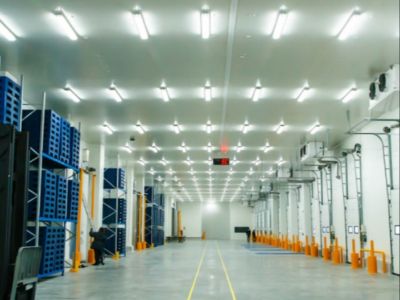
Chiller units play a vital role across various industries, particularly in food storage, pharmaceuticals, and logistics. In the food industry, maintaining precise temperature control is essential for preserving perishable goods. Chiller units help ensure that products remain at safe temperatures throughout the supply chain, reducing spoilage and ensuring compliance with health regulations.

In the pharmaceutical sector, chiller units are critical for storing temperature-sensitive medications and vaccines. These units must meet strict regulatory standards to ensure that products remain effective and safe for consumer use. The reliability and precision of chiller units can significantly impact the efficacy of pharmaceutical products.

In logistics, chiller units facilitate the transport of temperature-sensitive goods across long distances. They are commonly used in refrigerated trucks and containers to ensure that products maintain their integrity throughout transit. This is particularly important for items like fresh produce, dairy products, and pharmaceuticals, where temperature fluctuations can lead to significant losses.

Understanding the specific applications and requirements for chiller units is essential for buyers in these industries. By selecting the right unit and ensuring proper installation and maintenance, businesses can optimize their cooling solutions for specific needs, potentially utilizing options like Cold Room solutions for enhanced storage capabilities.

How to Choose the Right Chiller Unit for Your Project Needs

When selecting a chiller unit, it's essential to consider key specifications that influence performance and suitability for your application. Begin by determining the cooling capacity required, which is typically measured in tons or kilowatts. This capacity should align with your specific cooling load, taking into account factors such as the thermal load generated by the stored goods or processes, ambient temperature, and the desired temperature range.

Next, evaluate the energy efficiency of the chiller unit. Look for units with high Energy Efficiency Ratios (EER) or Seasonal Energy Efficiency Ratios (SEER), as these metrics indicate lower operational costs over time. Energy-efficient units not only reduce electricity costs but also minimize environmental impact, making them a more sustainable choice.

Additionally, consider the construction materials and components of the chiller. Units made from corrosion-resistant materials, such as stainless steel, can enhance durability and longevity, especially in humid or corrosive environments. Pay attention to the refrigeration technology employed (e.g., scroll, reciprocating, or screw compressors) as this can affect noise levels, maintenance needs, and overall reliability.

Lastly, assess any customization options available. Custom-engineered chiller units can be tailored to meet specific performance requirements, such as varying load conditions or unique installation constraints. Discuss these customization capabilities with potential suppliers to ensure your needs are met precisely.

Frequently Asked Questions

What is this chiller unit used for?

Our chiller unit provides precise temperature control for cold storage, freezers, ice machines, and industrial processes in food, pharmaceutical, and logistics applications.
Yes. We offer custom-engineered chiller units tailored to your capacity, footprint, automation and control requirements.
Chillers are designed for high efficiency with optimized compressors, heat exchangers and controls to reduce power consumption and operating costs.
We provide project design, on-site installation, commissioning, and technical support including automation integration and training.
Routine maintenance includes filter, refrigerant and component checks. Standard warranty covers manufacturing defects; extended service plans are available.

Our Blog Posts

10 Fascinating Facts About Cold Room You Never Knew!

12

Oct

10 Fascinating Facts About Cold Room You Never Knew!

The World's Largest "Refrigerator" Can Hold the Entire City of Rome. The global cold storage network is vast beyond imagination. For instance, the total storage capacity of one of North America's largest cold storage operators exceeds 400 million cub...
View More
what is a chiller used for

03

Nov

what is a chiller used for

Industrial chillers are critical components in various sectors, providing precise temperature control for a range of applications. Understanding what a energy-efficient chillers is used for can greatly influence purchasing decisions for business...
View More
what is the standard temperature of chiller

03

Nov

what is the standard temperature of chiller

Understanding the standard temperature of chillers is crucial for multiple industries, including food, pharmaceuticals, and logistics. This article dives into the specifics of what is the standard temperature of a energy-efficient chillers, addressin...
View More
how to set temperature in chiller

03

Nov

how to set temperature in chiller

Setting the correct temperature in a chiller is crucial for maintaining the quality and safety of sensitive products, especially in industries like food, pharmaceuticals, and logistics. This article will address key considerations for B2B buyers, inc...
View More

Leave a Message

Email
Name
Company Name
Message
0/1000

Related product categories