EN

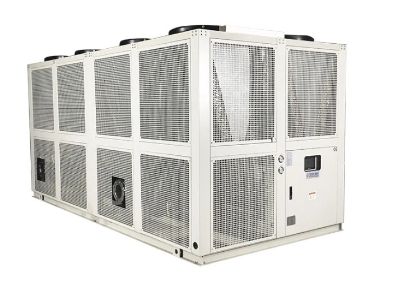
Water cooled chillers are essential systems designed to cool industrial processes and maintain optimal temperatures in various applications. As a B2B buyer, understanding the specifics of water cooled chillers, including their construction, efficiency, and maintenance requirements, is crucial for making informed purchasing decisions. This article will delve into the importance of selecting a reliable supplier, provide an overview of water cooled chillers, discuss cost considerations, address common issues, and highlight material advantages in manufacturing these vital systems.
A Comprehensive Overview
Water cooled chillers operate by transferring heat from a process fluid to water through a heat exchanger. This system is particularly effective for large-scale applications, including food processing, pharmaceuticals, and logistics, where precise temperature control is essential. Key components of water cooled chillers include:
Evaporator: Where the refrigerant absorbs heat and evaporates, cooling the process fluid.Compressor: Increases the pressure of the refrigerant vapor, facilitating heat transfer.Condenser: Dissipates heat from the refrigerant to the cooling water, allowing it to condense back into a liquid.Expansion Valve: Regulates the flow of refrigerant into the evaporator.When assessing water cooled chillers, buyers should consider various specifications, including cooling capacity, energy efficiency ratings, and physical dimensions. Understanding these parameters will help ensure the selected chiller meets the specific cooling demands of the intended application.