Water Cooled Chillers: Essential Systems for Industry

Let's Discuss Your Needs

Every great collaboration starts with a friendly chat.
We're here to help you figure things out and find the best way forward.
Company Name
Name
Email
WhatsApp
Mobile

water cooled chiller

Water cooled chillers are essential systems designed to cool industrial processes and maintain optimal temperatures in various applications. As a B2B buyer, understanding the specifics of water cooled chillers, including their construction, efficiency, and maintenance requirements, is crucial for making informed purchasing decisions. This article will delve into the importance of selecting a reliable supplier, provide an overview of water cooled chillers, discuss cost considerations, address common issues, and highlight material advantages in manufacturing these vital systems.

A Comprehensive Overview

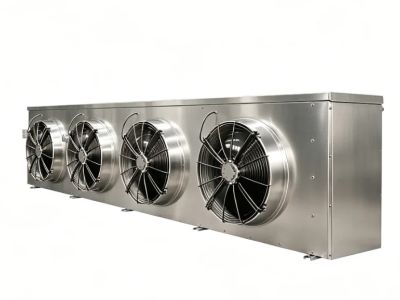
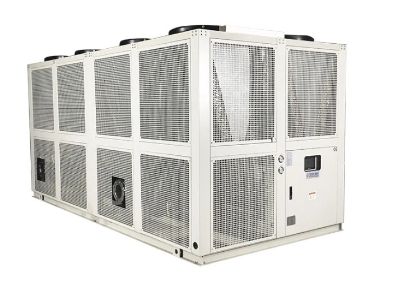
Water cooled chillers operate by transferring heat from a process fluid to water through a heat exchanger. This system is particularly effective for large-scale applications, including food processing, pharmaceuticals, and logistics, where precise temperature control is essential. Key components of water cooled chillers include:

Evaporator: Where the refrigerant absorbs heat and evaporates, cooling the process fluid.Compressor: Increases the pressure of the refrigerant vapor, facilitating heat transfer.Condenser: Dissipates heat from the refrigerant to the cooling water, allowing it to condense back into a liquid.Expansion Valve: Regulates the flow of refrigerant into the evaporator.

When assessing water cooled chillers, buyers should consider various specifications, including cooling capacity, energy efficiency ratings, and physical dimensions. Understanding these parameters will help ensure the selected chiller meets the specific cooling demands of the intended application.
Cost Factors to Consider When Sourcing Water Cooled Chillers Wholesale

Several factors influence the cost of sourcing water cooled chillers, making it essential for purchasing managers to evaluate their options thoroughly. Key considerations include:

Capacity and Size: Larger chillers with higher cooling capacities typically come at a premium. Buyers should assess their cooling needs to avoid over-investing in unnecessary capacity.

Energy Efficiency: Chillers with higher energy efficiency ratings may have a higher upfront cost but can result in significant savings over time through reduced energy consumption. For example, investing in ICE MACHINE technology can lead to greater overall efficiency.

Customization Requirements: Custom-engineered solutions can lead to higher costs. Buyers should define their needs clearly to avoid excessive customization that could inflate prices.

Lead Time and Availability: Suppliers with shorter lead times may charge a premium for expedited manufacturing and shipping. It’s important to balance urgency with budget considerations.

Installation and Maintenance Costs: Buyers should factor in the costs associated with installation and long-term maintenance, which can vary significantly based on the complexity of the chiller system.

Understanding these cost factors will enable buyers to make informed decisions and negotiate effectively with suppliers.

Common Problems with Water Cooled Chillers and Effective Solutions

Water cooled chillers can encounter several common issues that can affect performance and reliability. Being aware of these challenges can help buyers prepare for maintenance and troubleshooting:

Insufficient Cooling Capacity: This can occur if the system is undersized for the application. Conducting thorough cooling load calculations prior to purchase is crucial to avoid this issue.

Refrigerant Leaks: Leaks can lead to decreased efficiency and higher operational costs. Regular maintenance checks and pressure testing are recommended to identify and rectify leaks early.

Water Quality Issues: Poor water quality can lead to fouling and corrosion within the chiller. Implementing water treatment systems and regular monitoring can mitigate these risks.

Control System Failures: Malfunctions in the control system can disrupt operation. Selecting chillers with robust control systems and ensuring proper training for operators can reduce the likelihood of failures.

Addressing these common problems proactively can enhance the longevity and efficiency of water cooled chillers.

Understanding Material Advantages in Water Cooled Chiller Manufacturing

The materials used in the construction of water cooled chillers significantly impact their performance, durability, and efficiency. Key material considerations include:

Copper vs. Aluminum Heat Exchangers: Copper offers superior thermal conductivity and corrosion resistance, making it a preferred choice for high-performance chillers. However, aluminum is lighter and often more cost-effective, making it suitable for specific applications.

Stainless Steel Components: Stainless steel is commonly used in chillers for its resistance to corrosion and high temperatures, particularly in environments where water quality may be compromised.

Insulation Materials: The choice of insulation material affects energy efficiency and operational costs. Selecting high-quality insulation can prevent heat loss and improve the chiller's overall performance. When sourcing materials, consider options like Cold Room panels for enhanced insulation.

When evaluating potential suppliers, buyers should inquire about the materials used in their chillers and their impact on performance, maintenance, and long-term reliability.

By understanding the factors influencing the selection and performance of water cooled chillers, B2B buyers can make informed decisions that align with their operational needs and budget constraints.

Why Partnering with a Reliable Chiller Supplier Matters

Choosing a dependable chiller supplier is fundamental to ensuring operational efficiency and minimizing downtime. A reliable supplier not only provides high-quality products but also offers valuable support throughout the buying process. This includes technical expertise, custom engineering solutions, and responsive customer service. For instance, a supplier that offers REFRIGERATION UNITS can enhance the cooling capabilities of your system.

A trustworthy supplier will have a proven track record in the industry, demonstrated by their experience in manufacturing and supplying water cooled chillers. They should be able to provide references, case studies, and certifications that affirm their commitment to quality and performance. Additionally, ensuring that the supplier can accommodate specific customer requirements, such as customization options and compliance with relevant regulations, will help mitigate risks associated with purchasing decisions.

Frequently Asked Questions

What is a water cooled chiller used for?

A water cooled chiller provides precise cooling for cold storage, freezers, ice machines, and industrial processes in food, pharma, and logistics facilities.
We offer custom-engineered capacities from small commercial units to large industrial systems tailored to project load and application.
Our chillers use optimized compressors, heat exchangers, and controls to reduce power consumption and operating costs for long-term efficiency.
Yes. We design automated, site-specific systems integrating controls, piping, and refrigeration to meet your temperature and workflow requirements.
We provide installation guidance, commissioning, preventive maintenance plans, and remote or on-site technical support worldwide.

Our Blog Posts

10 Fascinating Facts About Cold Room You Never Knew!

12

Oct

10 Fascinating Facts About Cold Room You Never Knew!

The World's Largest "Refrigerator" Can Hold the Entire City of Rome. The global cold storage network is vast beyond imagination. For instance, the total storage capacity of one of North America's largest cold storage operators exceeds 400 million cub...
View More
what is the standard temperature of chiller

03

Nov

what is the standard temperature of chiller

Understanding the standard temperature of chillers is crucial for multiple industries, including food, pharmaceuticals, and logistics. This article dives into the specifics of what is the standard temperature of a energy-efficient chillers, addressin...
View More
what does evaporator coil do

03

Nov

what does evaporator coil do

Understanding what an evaporator coil does is essential for anyone involved in the purchasing or maintenance of refrigeration systems. These coils play a crucial role in cooling processes by absorbing heat from the environment, making them indispensa...
View More
controlled atmosphere storage of fruits and vegetables

03

Nov

controlled atmosphere storage of fruits and vegetables

Controlled atmosphere storage of fruits and vegetables is a critical component in preserving the quality and extending the shelf life of produce. These specialized storage solutions regulate temperature, humidity, and gas composition to slow down rip...
View More

Leave a Message

Email
Name
Company Name
Message
0/1000

Related product categories