Choosing Reliable Coolroom Panel Suppliers

Let's Discuss Your Needs

Every great collaboration starts with a friendly chat.
We're here to help you figure things out and find the best way forward.
Company Name
Name
Email
WhatsApp
Mobile

coolroom panel suppliers

Choosing the right coolroom panel suppliers is crucial for businesses seeking reliable cold storage solutions. With applications ranging from food preservation to pharmaceutical storage, the quality of coolroom panels directly impacts operational efficiency and product safety. This article aims to guide purchasing managers and decision-makers through the selection process, highlighting essential considerations such as material specifications, supplier reliability, installation guidance, and quality control measures.

Where to Find Reliable Wholesale Coolroom Panel Suppliers

Identifying trustworthy wholesale coolroom panel suppliers can be achieved through several channels. Industry trade shows and exhibitions are excellent venues to connect with multiple suppliers, allowing you to compare products and capabilities in person. Attending these events also provides an opportunity to engage with manufacturers directly, ask questions, and understand their production processes.

Online directories and platforms like Alibaba, ThomasNet, or industry-specific forums can also lead you to potential suppliers. When using these platforms, look for companies with verified reviews and ratings. These testimonials can provide insights into a supplier's reliability and product quality. Furthermore, consider reaching out to suppliers who specialize in Cold Room solutions, as they often have extensive resources and knowledge in the field.

Networking within industry associations or local business groups can also yield valuable supplier recommendations. Engaging with peers who have experience with specific suppliers can help you make informed decisions based on real-world feedback.
Installation Guidance for Efficient Coolroom Panel Systems

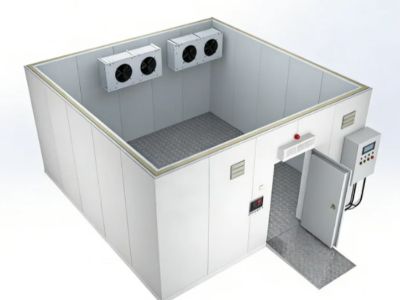
Proper installation of coolroom panels is essential for maximizing their performance and longevity. Start by thoroughly reviewing the installation guidelines provided by the manufacturer. These documents often contain critical information regarding panel orientation, sealing techniques, and thermal bridging considerations.

Ensure that your installation team is trained and experienced in working with coolroom panels. Inadequate installation can lead to air leaks, temperature fluctuations, and increased energy costs. It’s advisable to conduct a pre-installation meeting to discuss the installation plan, address potential challenges, and confirm that all necessary tools and materials are on site.

During installation, pay particular attention to the sealing of joints and edges. High-quality seals prevent moisture ingress and maintain the integrity of the insulation, which is vital in preserving the cold chain. After installation, conduct a thorough inspection to check for any gaps or misalignments, which could compromise performance.

Comparing Material Advantages of Different Coolroom Panel Types

Coolroom panels are typically made from various materials, each offering distinct advantages depending on the application. For instance, polyurethane panels provide superior insulation properties, making them ideal for environments requiring strict temperature control. Their high R-value (thermal resistance) ensures less energy consumption and cost savings over time.

Polystyrene panels, on the other hand, are often more cost-effective and suitable for less demanding applications. While they may not offer the same insulation efficiency as polyurethane, they are lightweight and easy to handle, which can simplify installation.

Additionally, consider the surface finish of the panels. Stainless steel or fiberglass-reinforced plastic finishes can enhance durability and resistance to corrosion, making them suitable for food processing environments. In contrast, smooth finishes facilitate easier cleaning, a critical factor in maintaining hygiene standards.

Ultimately, the choice of material should align with your specific operational needs, budget, and long-term performance expectations.

Quality Control Measures for Top-Tier Coolroom Panel Manufacturing

Quality control is an essential aspect of coolroom panel manufacturing that directly impacts product performance and longevity. Look for suppliers who implement rigorous quality assurance processes throughout their production cycle. This may include:

Raw Material Inspection: Ensuring that all materials meet specified standards before production begins.In-Process Quality Checks: Regular inspections during manufacturing to identify and address any issues immediately.Final Product Testing: Conducting tests on finished panels to confirm compliance with thermal performance and structural integrity standards.

As a buyer, it is crucial to understand the quality certification standards relevant to your industry. For instance, ISO certifications can indicate a commitment to quality management systems, while specific industry standards can assure compliance with relevant regulations.

Before placing a bulk order, request samples to evaluate quality firsthand. Inspect these samples for dimensional accuracy, insulation performance, and overall finish. This step can save you significant time and costs associated with poor-quality panels that may require replacement or lead to operational inefficiencies.

By following these guidelines, purchasing managers can make informed decisions when selecting coolroom panel suppliers, ensuring they choose products that meet their operational requirements and contribute to overall efficiency and effectiveness.

How to Choose the Right Coolroom Panel Supplier for Your Needs

Selecting a coolroom panel supplier involves evaluating several critical factors. Begin by considering the specific requirements of your cold storage application. This includes the temperature range, humidity control, and the particular industry standards you need to meet. For example, food storage applications might require panels that meet stringent hygiene and thermal insulation standards, while pharmaceutical storage may demand panels that provide a higher level of temperature stability.

Next, assess the supplier’s experience and capabilities. Look for suppliers with extensive knowledge in designing and manufacturing coolroom panels tailored to your specifications. This includes understanding the various types of insulation materials, such as polyurethane or polystyrene, and their respective thermal performance. Additionally, inquire about the supplier's customization capabilities, which can be vital for meeting unique requirements or optimizing space. Suppliers who offer Self-stacking Spiral Freezers may have a better understanding of advanced cooling solutions that can complement your coolroom setup.

Lastly, examine the supplier's track record in quality control. A reliable supplier should have a robust quality assurance process in place to ensure that all panels meet industry regulations and performance standards. Request references or case studies to better understand the supplier's past projects and client satisfaction levels.

Frequently Asked Questions

What types of coolroom panels do you supply?

We supply insulated sandwich panels in PIR, PU, and rock wool options, available in various thicknesses for cold storage, freezers, and controlled environments.
Yes. We offer custom-engineered panel dimensions and layouts to fit any site, including prefabricated sections for rapid on-site assembly.
Yes. Panels integrate with our automated refrigeration, monitoring, and control systems for food, pharma, and logistics applications.
Our panels deliver high thermal efficiency with low U-values, reducing energy use and maintaining stable temperatures for long-term cold storage.
Yes. We provide professional installation guidance, project management, commissioning, and global after-sales service including spare parts and maintenance.

Our Blog Posts

what is the purpose of a cold room

03

Nov

what is the purpose of a cold room

The purpose of a cold room is essential for various industries, primarily focusing on the preservation and storage of temperature-sensitive products. This article delves into the role of cold rooms, specifically in the food industry, and provides ins...
View More
what is the standard temperature of chiller

03

Nov

what is the standard temperature of chiller

Understanding the standard temperature of chillers is crucial for multiple industries, including food, pharmaceuticals, and logistics. This article dives into the specifics of what is the standard temperature of a energy-efficient chillers, addressin...
View More
how to clean condensing unit

03

Nov

how to clean condensing unit

Cleaning a condensing unit is essential for maintaining the efficiency and longevity of refrigeration systems, particularly in industries like food processing, pharmaceuticals, and logistics. Proper cleaning helps prevent malfunctions, reduces energy...
View More
controlled atmosphere storage of fruits and vegetables

03

Nov

controlled atmosphere storage of fruits and vegetables

Controlled atmosphere storage of fruits and vegetables is a critical component in preserving the quality and extending the shelf life of produce. These specialized storage solutions regulate temperature, humidity, and gas composition to slow down rip...
View More

Leave a Message

Email
Name
Company Name
Message
0/1000

Related product categories