Choosing the Right Industrial Chiller Units

Let's Discuss Your Needs

Every great collaboration starts with a friendly chat.
We're here to help you figure things out and find the best way forward.
Company Name
Name
Email
WhatsApp
Mobile

industrial chiller units

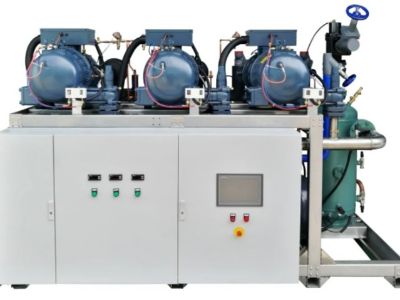
Industrial chiller units are essential components for temperature-sensitive applications across various sectors, including food processing, pharmaceuticals, and logistics. These systems provide controlled cooling to maintain product integrity and optimize operations. As a purchasing manager or engineer, you may have concerns about selecting the right unit that meets your specific needs, ensuring compliance with quality standards, and understanding pricing factors. This article will guide you through the critical aspects of industrial chiller units, helping you make informed decisions for your projects.

What to Know

Before making a purchase, it’s important to gather detailed information about the chiller units you’re considering. Key specifications include the type of refrigerant used, efficiency ratings (such as EER or COP), and the materials of construction. For instance, stainless steel components may be preferable for food or pharmaceutical applications to ensure hygiene and durability.

Understanding the operational environment is equally important. Factors like humidity levels, outdoor temperatures, and potential exposure to corrosive environments can affect the chiller's performance and longevity. Buyers should also be aware of the maintenance requirements and the availability of spare parts, as this can impact both operational efficiency and downtime.

Additionally, ensure that the unit you choose complies with relevant industry standards and regulations. This may include certifications for energy efficiency, safety, and environmental impact, which can vary by region and application.
Understanding the Quality Standards of Our Industrial Chiller Units

At Shanghai Zhaoxue Refrigeration Co., Ltd., we adhere to stringent quality standards in our manufacturing processes. Our industrial chiller units are designed to meet international safety and energy efficiency certifications. This includes rigorous testing to ensure reliability and performance before they leave the factory.

Quality control processes are integral to our production line, involving comprehensive inspections at various stages of manufacturing. This includes material verification, functional testing, and performance assessments to confirm that each unit meets the specified standards. Buyers should verify that their chosen supplier employs similar quality assurance measures to avoid issues that could arise from subpar products.

Furthermore, understanding the certifications that your supplier holds can provide assurance of product quality. Look for compliance with ISO standards or other relevant industry certifications that reflect a commitment to quality and excellence in manufacturing.

Where to Source Reliable Industrial Chiller Units for Your Projects

Sourcing reliable industrial chiller units involves evaluating potential suppliers based on their reputation, product offerings, and manufacturing capabilities. Start by researching manufacturers with a proven track record in the industry. Engage with your network or industry associations to gather recommendations and insights.

When assessing suppliers, consider their customization capabilities and willingness to work closely with you to meet your specific requirements. Request product samples or prototypes to evaluate the quality and performance firsthand. This can help you identify any potential issues before committing to a larger order.

Additionally, check for after-sales support and service availability. A reliable supplier should offer technical assistance and maintenance services to ensure optimal operation throughout the chiller's lifecycle.

Finally, consider the supplier's experience with export markets if you are sourcing internationally. Understanding their logistics capabilities can help mitigate potential delays or complications during shipping.

Cost Factors to Consider When Purchasing Industrial Chiller Units

The cost of industrial chiller units can vary significantly based on several factors, including cooling capacity, energy efficiency, and customization requirements. As a buyer, it’s essential to understand these cost factors to make a well-informed decision.

Energy efficiency plays a significant role in the total cost of ownership. While a higher upfront investment in energy-efficient models may seem daunting, the long-term savings on energy bills can justify the initial expense. Evaluate the estimated operating costs alongside the purchase price to assess the overall financial impact.

Additionally, consider the implications of installation and maintenance costs. A unit that is more complex or requires specialized installation may incur higher initial outlays, while those that are easier to maintain can reduce ongoing expenses. It’s also important to factor in warranty and service agreements, as these can affect long-term costs and support your operational needs.

Lastly, always request detailed quotations from multiple suppliers to compare costs comprehensively. Ensure that these quotations include all relevant details, such as lead times, delivery charges, and any additional fees related to customization or installation. This transparency will help you make an informed choice that aligns with your budget and operational goals.

How to Choose the Right Industrial Chiller Units for Your Needs

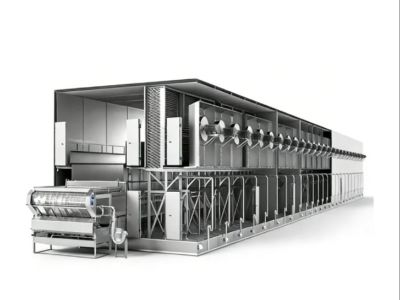
When selecting industrial chiller units, consider your specific application requirements, including cooling capacity, operational efficiency, and energy consumption. Start by assessing the heat load of your operation, which is influenced by factors such as the type of goods being stored or processed and the ambient temperature conditions. Additionally, you might want to explore options such as the Impingement Freezer for specific cooling needs.

Next, look for units with energy-efficient designs, as these can significantly reduce operational costs over time. Pay attention to the chiller's temperature range and cooling capacity; these specifications will dictate how well the unit can perform under your specific operational conditions. Additionally, consider the footprint of the chiller, especially if space is constrained in your facility.

Customization options can also play a crucial role in your decision. Many manufacturers, including Shanghai Zhaoxue Refrigeration Co., Ltd., offer tailored solutions to meet unique operational needs. This could include modifications to the unit's size, configuration, or control systems to ensure optimal integration with your existing processes. For example, Self-stacking Spiral Freezers can be a great solution if you require specific layout adjustments.

Our Blog Posts

how to set cold room temperature

03

Nov

how to set cold room temperature

Setting the right cold room temperature is crucial for industries that rely on precise temperature control to maintain the quality and safety of their products. Whether you are in the food, pharmaceutical, or logistics sector, understanding how to se...
View More
what is a chiller used for

03

Nov

what is a chiller used for

Industrial chillers are critical components in various sectors, providing precise temperature control for a range of applications. Understanding what a energy-efficient chillers is used for can greatly influence purchasing decisions for business...
View More
how to clean condensing unit

03

Nov

how to clean condensing unit

Cleaning a condensing unit is essential for maintaining the efficiency and longevity of refrigeration systems, particularly in industries like food processing, pharmaceuticals, and logistics. Proper cleaning helps prevent malfunctions, reduces energy...
View More
what are the advantages of food preservation

03

Nov

what are the advantages of food preservation

Food preservation is a critical process that extends the shelf life of perishable goods such as fruits, vegetables, meats, and dairy products. Understanding the advantages of food preservation can greatly benefit businesses in the food industry, incl...
View More

Leave a Message

Email
Name
Company Name
Message
0/1000

Related product categories