Choosing the Right Ice Chiller for Your Business

Let's Discuss Your Needs

Every great collaboration starts with a friendly chat.
We're here to help you figure things out and find the best way forward.
Company Name
Name
Email
WhatsApp
Mobile

ice chiller

Choosing the right ice chiller is crucial for businesses in the food, pharmaceutical, and logistics sectors. Ice chillers are essential for maintaining optimal temperatures to preserve products, ensuring compliance with safety standards, and enhancing operational efficiency. For B2B buyers, understanding the essential features, quality indicators, and applications of ice chillers is vital for making informed purchasing decisions. This article will guide you through the key considerations when selecting an ice chiller for your business, helping you navigate the complexities of quality evaluation and potential issues.

How to Evaluate Ice Chiller Quality for Wholesale Purchases

Quality evaluation is critical when considering wholesale purchases of ice chillers. Start by examining the manufacturer's reputation and experience in the industry. A well-established manufacturer with a track record of producing reliable chillers is often a good indicator of quality.

Next, scrutinize the materials used in the construction of the ice chiller. High-quality stainless steel or corrosion-resistant alloys are typically preferred for their durability and ability to withstand harsh operating conditions. Additionally, inquire about the manufacturer’s quality control processes. Certifications such as ISO 9001 can indicate that a company adheres to stringent quality management standards.

Requesting a sample or a demonstration of the ice chiller can provide practical insights into its performance and reliability. Pay attention to the operational noise level and the ease of maintenance, as these factors can impact your daily operations.
Key Specifications to Compare in Ice Chiller Models

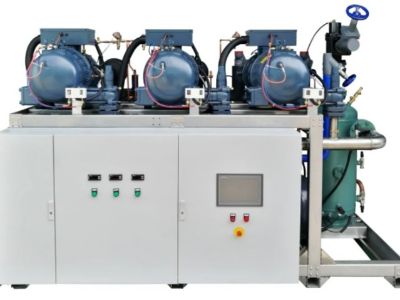
When comparing ice chiller models, several specifications should be prioritized to ensure the selected unit meets your operational needs. Key specifications include:

Cooling Capacity: Measured in tons, this indicates the chiller's ability to remove heat. Ensure the capacity aligns with your application requirements.Refrigerant Type: Different refrigerants have varying environmental impacts and efficiency levels. Options may include R-410A, R-404A, or natural refrigerants, each having unique properties and regulatory considerations.Temperature Range: Assess the temperature range your application requires. Not all chillers can operate effectively across a broad temperature spectrum.Energy Efficiency Ratio (EER): This ratio indicates the chiller's cooling output relative to its energy consumption. A higher EER signifies better efficiency, which is crucial for cost-saving in the long run. Understanding these specifications will empower you to make comparisons that align with your operational goals and budget constraints.

Common Ice Chiller Problems and Their Effective Solutions

Despite their reliability, ice chillers can encounter several common issues. Recognizing these problems early can help mitigate downtime and maintain operational efficiency.

One frequent issue is improper cooling, which may be due to insufficient refrigerant levels or a malfunctioning thermostat. Regular maintenance checks can help identify and rectify these problems before they escalate.

Another common problem is ice buildup on the evaporator coils. This can hinder performance and lead to inefficient cooling. To prevent this, ensure the air filters are cleaned or replaced regularly to maintain proper airflow and reduce the likelihood of condensation.

Lastly, noise during operation can indicate potential mechanical issues. Regular maintenance and inspections are essential in identifying and resolving these concerns proactively. ICE MACHINE maintenance is also critical to ensuring optimal performance.

Applications of Ice Chillers in Food, Pharma, and Logistics

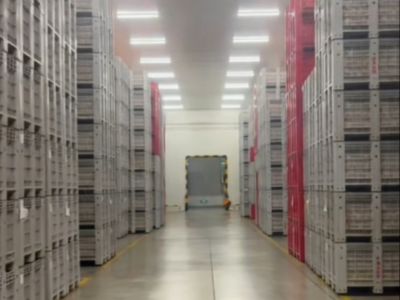
Ice chillers play a pivotal role across various industries, notably in food processing, pharmaceuticals, and logistics. In the food industry, they are essential for keeping perishable products at safe temperatures, preventing spoilage, and ensuring compliance with health regulations. For instance, ice chillers are used in seafood processing to maintain optimal temperatures from catch to sale.

In pharmaceuticals, ice chillers are crucial for storing temperature-sensitive medications and vaccines. The precise temperature control provided by high-quality chillers ensures product efficacy and safety, which is critical for regulatory compliance.

In logistics, ice chillers are employed in refrigerated transport systems to maintain the integrity of temperature-sensitive goods during distribution. This application minimizes the risk of product degradation, ensuring that products reach their destination in optimal condition.

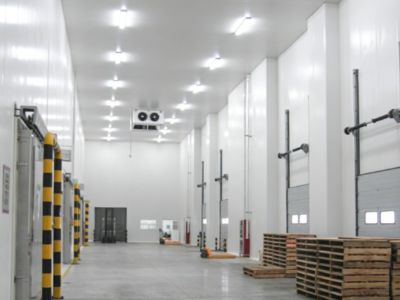
By understanding the specific applications of ice chillers, buyers can make informed decisions that enhance their operational efficiency and product quality. Cold Room solutions also play an important role in these applications.

By focusing on these elements, businesses can effectively navigate the complexities of selecting, evaluating, and implementing ice chillers tailored to their specific needs.

What to Consider When Choosing an Ice Chiller for Your Business

When selecting an ice chiller, several factors need consideration to ensure it meets your business requirements effectively. First and foremost, evaluate the cooling capacity required for your specific application. Cooling capacity, often measured in tons, dictates how much heat the chiller can remove from the environment within a set time frame. For example, a food processing facility may require a high-capacity chiller to handle large volumes of perishable goods, while a smaller operation may need a less powerful unit.

Additionally, consider the energy efficiency of the unit. Energy-efficient chillers can significantly reduce operating costs, which is especially important for businesses aiming to maintain profitability. Look for models with high energy efficiency ratings or those featuring variable speed drives that adjust cooling output based on demand. Choosing a quality REFRIGERATION UNITS can also enhance energy efficiency.

Lastly, assess the customization capabilities of the ice chiller. Many manufacturers, including Shanghai Zhaoxue Refrigeration Co., Ltd., offer tailored solutions designed to fit specific operational needs, including size, configuration, and additional features like integrated monitoring systems.

Frequently Asked Questions

What types of ice chillers do you offer?

We supply commercial and industrial ice chillers including plate, tubular, and flake models, custom-engineered for food, pharma, and logistics applications.
Yes. We design automated, energy-efficient chillers tailored to your capacity, layout, control systems, and regulatory needs.
Our chillers use optimized refrigeration cycles and controls to reduce energy use; efficiency varies by model but is prioritized in all designs.
Yes. We offer turnkey installation, commissioning, operator training, and global after-sales service including maintenance and spare parts.
Yes. We engineer systems to meet hygiene, temperature control, and regulatory requirements for food and pharmaceutical storage and processing.

Our Blog Posts

what is a chiller used for

03

Nov

what is a chiller used for

Industrial chillers are critical components in various sectors, providing precise temperature control for a range of applications. Understanding what a energy-efficient chillers is used for can greatly influence purchasing decisions for business...
View More
how to clean condensing unit

03

Nov

how to clean condensing unit

Cleaning a condensing unit is essential for maintaining the efficiency and longevity of refrigeration systems, particularly in industries like food processing, pharmaceuticals, and logistics. Proper cleaning helps prevent malfunctions, reduces energy...
View More
controlled atmosphere storage of fruits and vegetables

03

Nov

controlled atmosphere storage of fruits and vegetables

Controlled atmosphere storage of fruits and vegetables is a critical component in preserving the quality and extending the shelf life of produce. These specialized storage solutions regulate temperature, humidity, and gas composition to slow down rip...
View More
what are the methods of food preservation

03

Nov

what are the methods of food preservation

Food preservation is a critical process for maintaining the quality and safety of perishable items, especially in the food industry. Understanding what are the methods of food preservation can help businesses minimize waste, ensure product integrity,...
View More

Leave a Message

Email
Name
Company Name
Message
0/1000

Related product categories