EN

Investing in a condensing unit for cold room applications is crucial for ensuring efficient temperature control, especially in industries such as food storage, pharmaceuticals, and logistics. These units play a vital role in maintaining the integrity of temperature-sensitive products. As a purchasing manager or distributor, understanding the nuances of condensing units will help you make informed decisions that align with your operational needs and budget constraints. This article will guide you through selecting the right unit, evaluating quality, sourcing wholesale options, installation guidelines, and finding reliable suppliers.
How to Evaluate the Quality of Cold Room Condensing Units
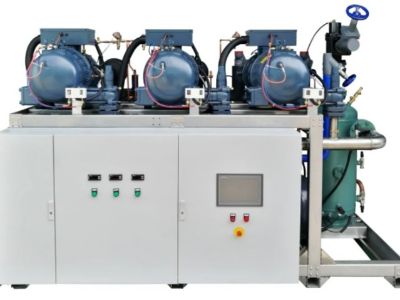
When it comes to evaluating the quality of condensing units, several specifications and features should be closely examined. Start by assessing the build quality and materials used in the construction of the unit. Durable materials, such as galvanized steel with corrosion-resistant coatings, will enhance longevity and reduce maintenance needs.
Pay attention to the unit's compressor type. Scroll compressors tend to be quieter and more efficient than reciprocating compressors, making them a preferred choice in many applications. Additionally, check for insulation quality, as proper insulation is critical for maintaining temperature and improving energy efficiency.
Quality control processes during manufacturing can also indicate the reliability of the unit. Look for manufacturers that adhere to industry standards and certifications. Additionally, inquire about testing protocols conducted prior to shipment to ensure performance and compliance with specifications. These evaluations can help prevent common issues such as temperature fluctuations or equipment failures.