Water Chiller Guide for Efficient Systems

Let's Discuss Your Needs

Every great collaboration starts with a friendly chat.
We're here to help you figure things out and find the best way forward.
Company Name
Name
Email
WhatsApp
Mobile

water chiller

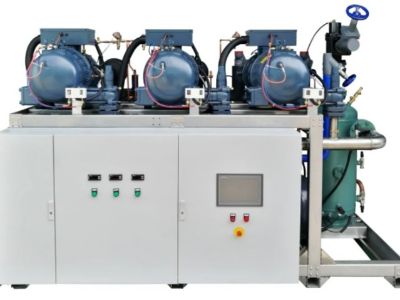
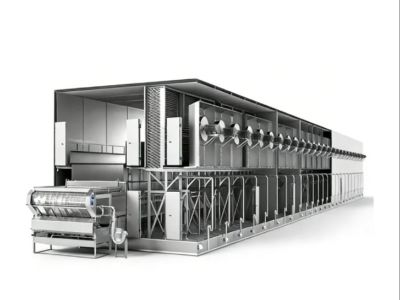
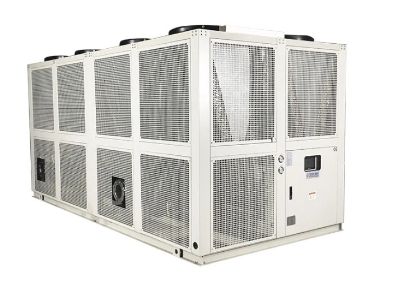
Water chillers are essential systems used in a wide range of applications, from food processing and pharmaceuticals to various industrial processes. They work by removing heat from a liquid via a vapor-compression or absorption refrigeration cycle, thus providing a consistent and controlled cooling environment. For B2B buyers, some primary concerns include energy efficiency, operational reliability, initial costs, and maintenance requirements. This article will address common issues related to water chillers, cost considerations, installation guidance, and the advantages of energy-efficient models, helping buyers make informed purchasing decisions.

Common Water Chiller Problems and Effective Solutions

Water chillers can present several challenges that may affect their performance and lifespan. Common issues include insufficient cooling, refrigerant leaks, and mechanical failures.

Insufficient cooling may arise from improper sizing of the chiller for the application. Buyers should ensure that the cooling capacity is adequate for their specific needs. Conducting a heat load calculation before purchasing can prevent this issue.

Refrigerant leaks can lead to operational inefficiencies and increased energy costs. Regular maintenance checks are essential to identify and rectify leaks before they escalate.

Mechanical failures, such as compressor breakdowns, can result from inadequate maintenance or improper installation. Implementing a scheduled maintenance plan can help mitigate these risks, ensuring that the chiller operates efficiently over its lifespan. For more information on maintenance, consider looking into Electrical Control & Cold Room Accessories that can enhance your system's reliability.

Understanding these common problems will help buyers take proactive measures to maintain their systems effectively.
Cost Factors to Consider When Sourcing Water Chillers

When sourcing water chillers, several cost factors must be considered beyond the initial purchase price. The total cost of ownership (TCO) includes installation, operation, maintenance, and potential downtime costs.

Initial Purchase Price: This is often the most straightforward cost, but it can be misleading. Higher-priced units may offer better energy efficiency or longer lifespans, leading to lower overall costs in the long run.

Installation Costs: Installation can vary based on complexity, location, and existing infrastructure. Customization may be necessary to fit specific requirements, so it’s essential to obtain detailed quotes from suppliers.

Operating Costs: These include energy consumption and water usage. Energy-efficient models may have higher upfront costs but can lead to significant savings over time.

Maintenance Costs: Regular maintenance is crucial for optimal performance and longevity. Buyers should consider the availability and cost of service parts, as well as the frequency and nature of required maintenance.

Potential Downtime Costs: If a chiller fails, production could halt, leading to significant losses. Investing in reliable models and establishing a solid maintenance plan can help minimize this risk.

By evaluating these cost factors, buyers can make more informed decisions that align with their budget and operational goals.

Installation Guidance for Efficient Water Chiller Systems

Proper installation of water chillers is critical to ensure their efficiency and longevity. Here are some key considerations for a successful installation:

Location: Choose an installation site that allows for adequate airflow around the unit. Avoid placing chillers in cramped spaces where heat can become trapped, leading to reduced efficiency.

Pipe Sizing: Ensure that piping is appropriately sized to handle the flow rates required for your application. Incorrectly sized pipes can lead to pressure drops, reducing the system's overall efficiency.

Electrical Requirements: Verify that the electrical supply matches the chiller’s requirements. Insufficient power supply can result in operational failures.

Water Quality: The quality of the water used in the system can significantly affect performance. Implement water treatment solutions to prevent scale buildup and corrosion.

Testing and Commissioning: After installation, conduct thorough testing to ensure the system operates as intended. Check for leaks, verify temperature settings, and monitor performance metrics.

Following these guidelines will help ensure your water chiller operates efficiently and effectively from the outset.

Advantages of Energy-Efficient Water Chillers for Distributors

Energy-efficient water chillers offer several advantages that can make them appealing to distributors and end-users alike:

Cost Savings: These models typically use less energy, resulting in lower utility bills. Over time, this can translate into significant savings, making them an attractive investment.

Environmental Compliance: Energy-efficient chillers often meet or exceed regulatory standards, helping companies adhere to environmental regulations and reduce their carbon footprint.

Enhanced Performance: Many energy-efficient models are designed with advanced technologies that provide better cooling performance and reliability compared to standard units.

Market Competitiveness: Offering energy-efficient solutions can enhance a distributor's portfolio, appealing to environmentally conscious customers who prioritize sustainability.

Incentives and Rebates: Many regions offer financial incentives for purchasing energy-efficient equipment. Distributors can help clients capitalize on these opportunities, making their products even more attractive.

By focusing on these advantages, distributors can better position themselves in the market and meet the growing demand for energy-efficient solutions.

A Guide

When selecting a water chiller, it's crucial to understand its operational principles and specifications. Most systems use refrigerants to absorb and release heat, which makes the choice of refrigerant significant for efficiency and environmental compliance. Key specifications to consider include cooling capacity, flow rate, temperature range, and energy efficiency ratios (EER).

Cooling capacity should match the specific requirements of your application. For instance, a food processing facility may need a chiller that maintains lower temperatures to ensure food safety, while a pharmaceutical application may require precise temperature control to maintain product integrity. Additionally, consider the power consumption and the potential for energy savings, as these factors will impact long-term operational costs. You might also want to explore REFRIGERATION UNITS that are tailored for your specific needs.

Lastly, ensure that the water chiller you select complies with local regulations and standards, which can vary widely depending on the industry and geographic location. Understanding these elements will help you choose the right system for your specific needs.

Frequently Asked Questions

What applications suit this water chiller?

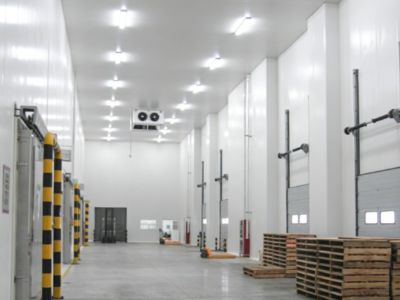
Our water chillers serve food processing, pharmaceutical cooling, cold storage support, equipment cooling, and logistics facilities with customized capacities and controls.
Yes. We design custom-engineered chillers with automated controls, tailored capacity, refrigerant choice, and integration to match your site's requirements.
They are built for high efficiency using optimized compressors, heat exchangers, and controls to reduce energy use and operating costs in continuous or cyclic operation.
Routine tasks include filter, coolant, and heat exchanger checks. We offer installation support, commissioning, and global technical guidance for maintenance schedules.
Units come with standard manufacturer warranty and are built to meet applicable safety and refrigeration standards; specific certifications are provided per project documentation.

Our Blog Posts

what is a chiller used for

03

Nov

what is a chiller used for

Industrial chillers are critical components in various sectors, providing precise temperature control for a range of applications. Understanding what a energy-efficient chillers is used for can greatly influence purchasing decisions for business...
View More
what is the standard temperature of chiller

03

Nov

what is the standard temperature of chiller

Understanding the standard temperature of chillers is crucial for multiple industries, including food, pharmaceuticals, and logistics. This article dives into the specifics of what is the standard temperature of a energy-efficient chillers, addressin...
View More
how to clean condensing unit

03

Nov

how to clean condensing unit

Cleaning a condensing unit is essential for maintaining the efficiency and longevity of refrigeration systems, particularly in industries like food processing, pharmaceuticals, and logistics. Proper cleaning helps prevent malfunctions, reduces energy...
View More
what are the advantages of food preservation

03

Nov

what are the advantages of food preservation

Food preservation is a critical process that extends the shelf life of perishable goods such as fruits, vegetables, meats, and dairy products. Understanding the advantages of food preservation can greatly benefit businesses in the food industry, incl...
View More

Leave a Message

Email
Name
Company Name
Message
0/1000

Related product categories