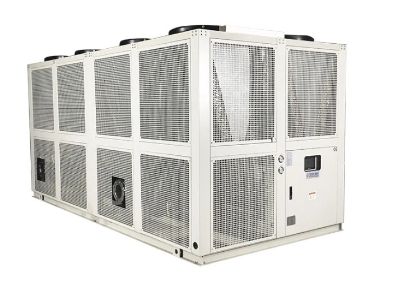
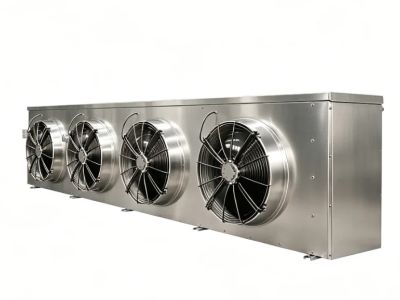
Key Specifications for Panel Cool Rooms

Let's Discuss Your Needs

Every great collaboration starts with a friendly chat.
We're here to help you figure things out and find the best way forward.
Company Name
Name
Email
WhatsApp
Mobile

panel cool room

Panel cool rooms are specialized temperature-controlled spaces designed for the storage of perishable goods. As a purchasing manager or distributor, your primary concerns when sourcing panel cool rooms likely include energy efficiency, durability, and customizability to meet specific operational requirements. This article will guide you through essential specifications, the benefits of bulk ordering, key features to assess, best practices for sourcing, and cost factors to consider, ensuring you make informed decisions for your business.

Benefits of Bulk Orders for Panel Cool Rooms

Ordering panel cool rooms in bulk can offer several significant advantages:

Cost Savings: Bulk ordering typically results in reduced per-unit costs. Manufacturers often provide discounts for larger orders, which can lead to substantial savings, especially for companies with extensive storage needs.

Consistent Quality: When ordering in bulk, you are likely to receive a uniform product batch. This consistency can enhance the reliability of performance across all units, which is vital for maintaining quality standards in your operations.

Streamlined Logistics: Coordinating a single shipment for multiple units can simplify logistics, reducing shipping costs and potential delays associated with multiple smaller orders. This also allows for better planning in terms of installation and operational readiness.

Customization Options: Suppliers may be more willing to accommodate customization requests for bulk orders, enabling you to tailor the panel cool rooms to your specific requirements without incurring excessive costs. For instance, you might explore REFRIGERATION UNITS that fit your unique specifications.

Long-Term Partnership: Establishing a bulk order relationship with a manufacturer can lead to better support, maintenance services, and potentially favorable terms for future orders, fostering a dependable supply chain.

These benefits make bulk orders a strategic choice for companies looking to enhance their operational efficiency and cost-effectiveness.
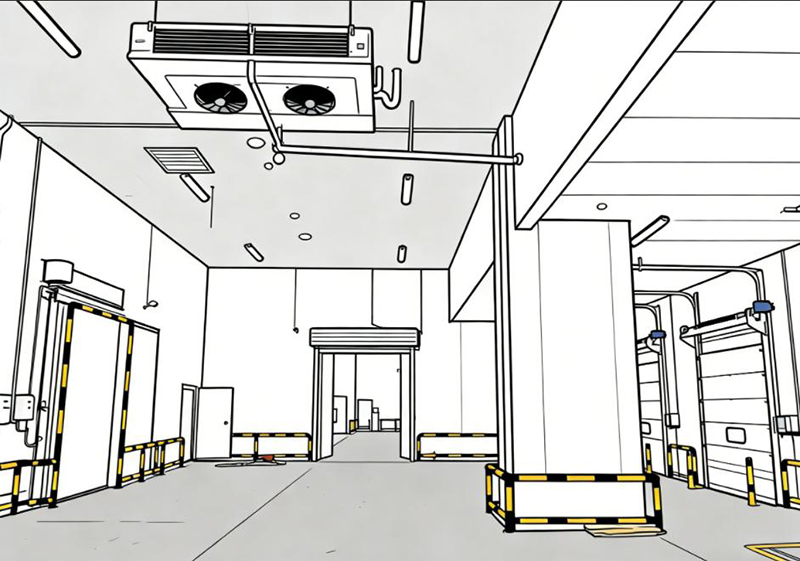
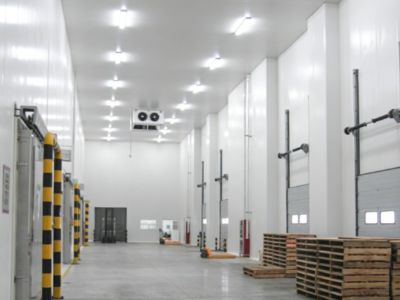
Features and Quality Assessment

When sourcing panel cool rooms, evaluating features and quality is critical. Here are key aspects to consider:

Energy Efficiency Ratings: Look for energy efficiency certifications that indicate compliance with local regulations and standards. High-efficiency units will save on energy costs and reduce environmental impact.

Control Systems: Advanced control systems allow for precise temperature management. Consider options like digital thermostats, remote monitoring capabilities, and alarms for temperature deviations, enhancing operational oversight.

Durability and Resistance: Inspect the materials used for external and internal surfaces. Features such as corrosion resistance, easy cleaning surfaces, and robust structural integrity are essential for longevity, especially in demanding environments.

Safety Features: Ensure compliance with safety regulations. Look for features like emergency shut-off systems, adequate ventilation, and alarms for fault conditions. These elements are crucial for protecting both your products and personnel.

Warranty and Support: A strong warranty can provide peace of mind. Evaluate the warranty terms and the manufacturer's reputation for customer support to ensure you will receive assistance if issues arise.

Conducting a thorough assessment of these features will help you select a panel cool room that meets your performance expectations and operational requirements.

Best Practices Explained

To maximize the effectiveness of your panel cool room purchase, consider these best practices:

Conduct a Needs Assessment: Before engaging suppliers, clearly define your requirements. Consider factors such as the types of products to be stored, expected throughput, and any specific environmental conditions.

Request Samples: If possible, obtain samples or prototypes before placing a large order. Testing a sample under real-world conditions can reveal potential issues with construction, insulation, and functionality.

Collaborate with Suppliers: Engage with your suppliers early in the process. Discuss your specific needs and seek their expertise in product selection and customization options. A partnership approach can lead to better outcomes.

Evaluate Installation Needs: Assess the installation requirements for the panel cool room. Ensure you have the necessary infrastructure in place, including power supply, drainage, and sufficient space for access and operation.

Plan for Maintenance: Develop a maintenance plan that includes regular inspections, cleaning schedules, and troubleshooting procedures. This proactive approach can extend the lifespan of your equipment and ensure continued performance.

By adhering to these best practices, you can enhance your procurement process and ensure a successful integration of panel cool rooms into your operations.

Understanding Cost Factors in Panel Cool Room Purchases and Options

Several factors influence the cost of panel cool rooms, which are important to consider when budgeting for your purchase:

Size and Configuration: Larger cool rooms or complex configurations will generally incur higher costs. Determine the required dimensions and layout based on your storage needs to avoid unnecessary expenses.

Material Selection: The choice of insulation material and panel construction will impact pricing. Higher-quality materials may have a higher upfront cost but can lead to savings over time through improved energy efficiency.

Customization: Custom features such as specialized shelving, advanced control systems, or specific finishes can increase costs. Ensure that any customizations are necessary for your operations to justify the investment.

Transportation and Installation Costs: Consider the costs associated with transportation and installation. Depending on your location, shipping expenses can vary significantly, and proper installation may require specialized labor.

Lifecycle Costs: Evaluate not only the initial purchase price but also the long-term operational costs, including energy consumption, maintenance, and potential repairs. A lower upfront cost may not always equate to a better overall investment.

By understanding these cost factors, you can make a more informed decision and ensure that your panel cool room investment aligns with your budget and operational goals.

Key Specifications to Evaluate When Sourcing Panel Cool Rooms

When evaluating panel cool rooms, focus on several key specifications that directly impact performance and suitability for your needs:

Insulation Thickness: The thickness of the insulation panels is crucial for energy efficiency. Thicker panels typically offer better thermal resistance, which can significantly reduce energy costs over time. Insulation values are often measured in R-values; higher R-values indicate better insulation properties.

Temperature Range: Different applications require varying temperature settings. Ensure the panel cool room can maintain the specific temperature range needed for your products, whether it's for food storage, pharmaceuticals, or other sensitive materials.

Material Composition: The materials used in the construction of the panels can affect durability and insulation performance. Common materials include polyurethane and polystyrene, each with unique thermal properties. Verify that the selected material aligns with compliance standards relevant to your industry.

Sealing Mechanisms: Effective sealing is essential to prevent temperature fluctuations and moisture intrusion. Assess the types of door seals and panel joints to ensure they maintain the required airtightness.

Modular Design: A modular design allows for flexibility and scalability. If your operations grow or change, ensure that the cool room can be expanded or reconfigured without significant structural alterations. You may want to consider options like Cold Room designs that offer this flexibility.

Understanding these specifications helps ensure the panel cool room you choose aligns with your operational needs and energy efficiency goals.

Frequently Asked Questions

What is a panel cool room?

A panel cool room is an insulated enclosure built from modular panels to provide controlled cold storage for perishable goods, engineered for energy efficiency and rapid installation.
We offer custom sizes and capacities to match storage needs, from small walk-in units to large multi-zone cold rooms, designed per project requirements.
Yes. We provide automated temperature and humidity control with PLC systems, remote monitoring, and alarm integration for consistent product preservation.
We offer turnkey services including site survey, installation, commissioning, and maintenance contracts with spare parts and after-sales support globally.
Absolutely. Our panel cool rooms are built to meet industry hygiene and temperature requirements for food, pharma, and logistics applications.

Our Blog Posts

10 Fascinating Facts About Cold Room You Never Knew!

12

Oct

10 Fascinating Facts About Cold Room You Never Knew!

The World's Largest "Refrigerator" Can Hold the Entire City of Rome. The global cold storage network is vast beyond imagination. For instance, the total storage capacity of one of North America's largest cold storage operators exceeds 400 million cub...
View More
what is a chiller used for

03

Nov

what is a chiller used for

Industrial chillers are critical components in various sectors, providing precise temperature control for a range of applications. Understanding what a energy-efficient chillers is used for can greatly influence purchasing decisions for business...
View More
what is the standard temperature of chiller

03

Nov

what is the standard temperature of chiller

Understanding the standard temperature of chillers is crucial for multiple industries, including food, pharmaceuticals, and logistics. This article dives into the specifics of what is the standard temperature of a energy-efficient chillers, addressin...
View More
what does evaporator coil do

03

Nov

what does evaporator coil do

Understanding what an evaporator coil does is essential for anyone involved in the purchasing or maintenance of refrigeration systems. These coils play a crucial role in cooling processes by absorbing heat from the environment, making them indispensa...
View More

Leave a Message

Email
Name
Company Name
Message
0/1000

Related product categories