A Comprehensive Guide to Coolroom Doors

Let's Discuss Your Needs

Every great collaboration starts with a friendly chat.
We're here to help you figure things out and find the best way forward.
Company Name
Name
Email
WhatsApp
Mobile

coolroom doors

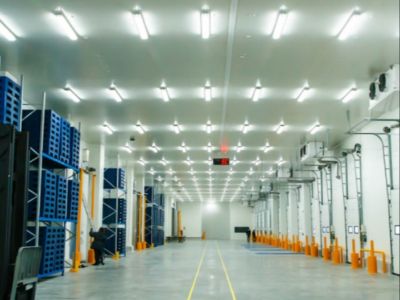
Coolroom doors play a crucial role in maintaining temperature-controlled environments, essential for various industries including food, pharmaceuticals, and logistics. As a B2B buyer, understanding the specifications, materials, and application suitability of coolroom doors is vital to ensuring optimal performance and compliance with industry standards. This article will guide you through key considerations when purchasing coolroom doors, helping you make informed decisions that align with your operational needs.

Finding Reliable Suppliers for Coolroom Doors

Finding a trustworthy supplier for coolroom doors involves evaluating several key aspects:

Reputation and Experience: Look for suppliers with a proven track record in manufacturing coolroom doors. Industry experience often correlates with reliability and product quality.

Production Capabilities: Assess the manufacturer’s production capacity and capabilities. This includes machinery, technology, and workforce expertise. A supplier with advanced equipment can often produce higher quality products with better precision.

Certifications: Check for industry certifications that indicate adherence to quality and safety standards. Certifications can serve as assurance that the products have been tested for compliance.

Customer Support: Reliable suppliers should offer excellent customer support, including assistance with product selection, customization needs, and after-sales service.

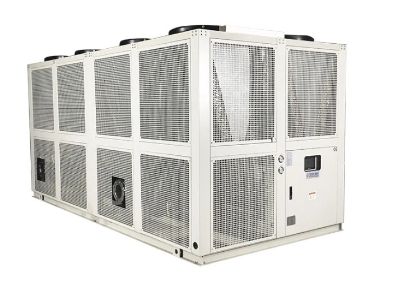
References and Reviews: Request references or check online reviews from other businesses in your industry. This can provide insight into the supplier’s reliability and product performance. You may also want to consider suppliers that offer REFRIGERATION UNITS as part of their product range.

By carefully evaluating potential suppliers based on these criteria, buyers can establish valuable partnerships that ensure the quality and reliability of their coolroom doors.
Tips for Contractors

Contractors involved in the installation of coolroom doors should keep the following tips in mind:

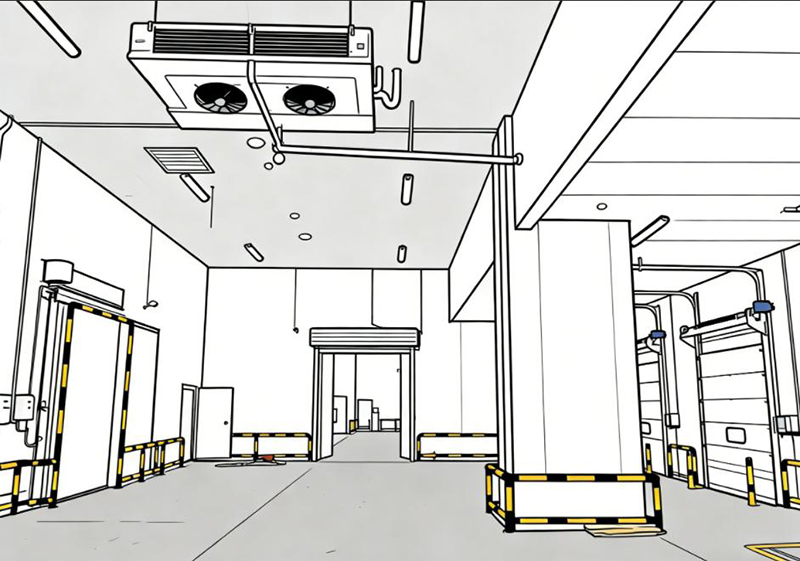
Site Assessment: Conduct a thorough assessment of the installation site before selecting coolroom doors. Consider factors such as available space, ambient temperature, and entry and exit patterns.

Installation Guidelines: Familiarize yourself with the manufacturer’s installation guidelines. Proper installation is crucial for ensuring the door functions as intended and maintains the desired temperature control.

Sealing and Insulation: Pay close attention to sealing and insulation during installation. Gaps can lead to air leaks, compromising energy efficiency and temperature control.

Testing After Installation: After installation, conduct performance tests to ensure that the doors operate correctly and maintain the required temperature. This includes checking the sealing and any automated systems.

Maintenance Considerations: Advise clients on regular maintenance practices to prolong the lifespan of coolroom doors. This may include routine inspections of seals, hinges, and insulation integrity.

By following these tips, contractors can ensure that coolroom doors are installed effectively, enhancing their performance and longevity.

Cost Factors to Consider When Purchasing Coolroom Doors

The cost of coolroom doors can vary significantly based on several factors:

Material and Construction: The choice of materials impacts the overall cost. For example, stainless steel doors may be more expensive than aluminum but offer greater durability and resistance to corrosion.

Size and Customization: Custom sizes and specifications can lead to increased costs. Buyers should weigh the benefits of customization against the budget constraints.

Insulation Properties: Higher insulation values often come at a premium but can lead to significant energy savings over time. Consider the long-term operational costs when evaluating insulation options.

Supplier Pricing Structures: Different suppliers may have varying pricing strategies. Buyers should compare quotes from multiple suppliers while considering the total value, including quality, service, and warranty terms.

Shipping and Installation Costs: Factor in additional costs such as shipping, handling, and installation. These can add significantly to the overall expenditure and should be included in the budget.

Understanding these cost factors will help buyers make informed decisions that align with their financial constraints while ensuring the quality and functionality of the coolroom doors.

Applications of Coolroom Doors in Food and Pharma Industries

Coolroom doors are integral to maintaining strict temperature controls in both the food and pharmaceutical industries:

Food Industry: In food storage and processing, coolroom doors help maintain optimal temperatures to prevent spoilage and ensure compliance with health regulations. They are often used in cold storage facilities, distribution centers, and processing plants.

Pharmaceutical Industry: For pharmaceuticals, maintaining the integrity of temperature-sensitive medications is critical. Coolroom doors are designed to provide reliable insulation and prevent temperature fluctuations, ensuring products remain within specified storage conditions.

Logistics and Distribution: In logistics, coolroom doors facilitate efficient temperature-controlled transport. They ensure that products remain safe during transit, which is vital for both food and pharmaceutical goods.

Customization for Specific Needs: Both industries may require specific configurations, such as sliding doors for limited space or reinforced doors for high-security areas. Custom solutions can enhance operational efficiency and compliance.

By understanding the applications of coolroom doors within these industries, buyers can better assess their needs and ensure they select the right products for their specific use cases.

A Buyeru2019s Guide

When purchasing coolroom doors, buyers should consider several critical factors:

Specifications: Essential specifications include dimensions, insulation thickness, and sealing mechanisms. These details ensure that the door can withstand the required temperature ranges and maintain energy efficiency.

Materials: Common materials for coolroom doors include stainless steel, aluminum, and insulated panels. Each material offers different benefits; for instance, stainless steel is resistant to corrosion, making it ideal for environments with high humidity. Additionally, buyers might explore options like Cold Room systems that complement their selection of doors.

Customization: Depending on the application, custom-engineered solutions may be necessary. Buyers should communicate their specific requirements to the manufacturer, including door size, opening mechanisms, and finishes.

Compliance: Ensure that the coolroom doors meet industry standards and regulations, particularly for food and pharmaceutical applications where safety is paramount.

Quality Assurance: Look for manufacturers with robust quality control processes. This includes product testing under real-world conditions to verify performance and durability.

By considering these elements, buyers can select coolroom doors that meet their operational requirements while maximizing efficiency and compliance.

Frequently Asked Questions

What types of coolroom doors do you offer?

We supply insulated swing, sliding, refrigerated and rapid-roll doors, customizable for cold storage, freezer and blast-chill applications.
Yes. We engineer door size, insulation, hardware and automation to fit your layout, temperature and operational requirements.
Yes. Doors integrate with automated conveyors, sensors, access control and PLCs for synchronized operation and energy efficiency.
Doors use high-density PIR/PUR panels suitable for chilled (+2°C) to ultra-low freezer (−40°C) environments with tight thermal seals.
We offer installation, commissioning, preventive maintenance, spare parts and remote support worldwide to ensure reliable door performance.

Our Blog Posts

10 Fascinating Facts About Cold Room You Never Knew!

12

Oct

10 Fascinating Facts About Cold Room You Never Knew!

The World's Largest "Refrigerator" Can Hold the Entire City of Rome. The global cold storage network is vast beyond imagination. For instance, the total storage capacity of one of North America's largest cold storage operators exceeds 400 million cub...
View More
what is the standard temperature of chiller

03

Nov

what is the standard temperature of chiller

Understanding the standard temperature of chillers is crucial for multiple industries, including food, pharmaceuticals, and logistics. This article dives into the specifics of what is the standard temperature of a energy-efficient chillers, addressin...
View More
how to set temperature in chiller

03

Nov

how to set temperature in chiller

Setting the correct temperature in a chiller is crucial for maintaining the quality and safety of sensitive products, especially in industries like food, pharmaceuticals, and logistics. This article will address key considerations for B2B buyers, inc...
View More
what are the advantages of food preservation

03

Nov

what are the advantages of food preservation

Food preservation is a critical process that extends the shelf life of perishable goods such as fruits, vegetables, meats, and dairy products. Understanding the advantages of food preservation can greatly benefit businesses in the food industry, incl...
View More

Leave a Message

Email
Name
Company Name
Message
0/1000

Related product categories