EN

Container cold rooms are essential for businesses requiring temperature-controlled storage for perishable goods, pharmaceuticals, and logistics. When considering a container cold room, potential buyers often inquire about the container cold room price and the various factors that influence it. This article will provide insights into what to consider when purchasing a container cold room, including cost factors, quality standards, installation tips, and industry applications, helping you make informed decisions for your business needs.
Comparing Quality Standards in Container Cold Room Manufacturing
Quality standards in container cold room manufacturing are crucial for ensuring reliability and efficiency. When assessing different manufacturers, you should look for compliance with international standards such as ISO 9001, which signifies a commitment to quality management systems. Additionally, check for certifications relevant to food safety and pharmaceutical storage, like HACCP and GMP.
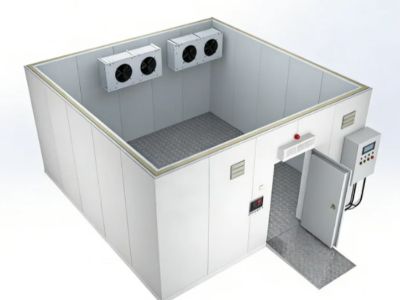
Materials used in the construction of cold rooms also play a vital role in their performance. For instance, high-grade stainless steel or galvanized steel is often preferred for durability and corrosion resistance, especially in harsh environments. Furthermore, the thickness of the insulation panels can affect thermal efficiency; a thicker panel typically indicates better energy retention, which is essential for maintaining the desired temperature.
Quality control processes during manufacturing are equally important. Manufacturers should have stringent checks in place to ensure that every unit meets the specified standards before it is shipped. By comparing these quality aspects across different suppliers, you can make a more informed choice that aligns with your operational requirements.