EN

Choosing the right cold room doors manufacturer is crucial for ensuring the efficiency and reliability of your cold storage solutions. Cold room doors are essential components in the food, pharmaceutical, and logistics industries, where temperature control is vital. This article will guide you through selecting reliable manufacturers, key specifications to consider, where to find trusted suppliers, common problems, and cost factors that influence purchasing decisions.
Key Specifications to Consider When Sourcing Cold Room Doors
Sourcing cold room doors involves evaluating several critical specifications that directly impact performance.
Material: The choice of material affects insulation properties and durability. Common materials include stainless steel, aluminum, and insulated panels. Stainless steel offers excellent hygiene and corrosion resistance, making it suitable for food applications, while aluminum is lightweight and can be cost-effective.
Thickness and Insulation Value: The thickness of the door and the insulation value (R-value) determine thermal efficiency. A higher R-value indicates better thermal resistance, which is crucial for maintaining the desired internal temperature while minimizing energy consumption.
Size and Dimensions: Ensure that the door dimensions align with your cold room requirements. Miscalculations can lead to installation issues and impact overall efficiency.
Sealing Mechanisms: Effective sealing is essential to prevent air leaks, which can compromise temperature control. Look for doors with robust sealing mechanisms that can withstand frequent use.
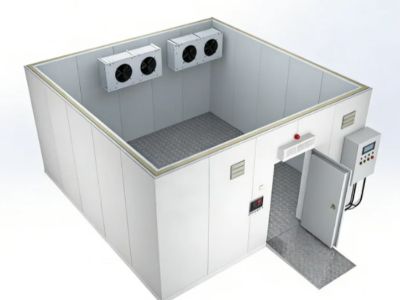
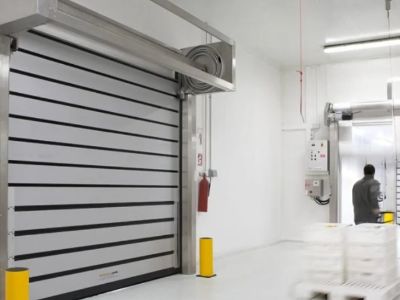
Operational Mechanism: Decide on the type of door operation—manual or automated. Automated systems can enhance efficiency in high-traffic areas, while manual doors may be suitable for less frequent access. Consider using Cold Room solutions that feature advanced operational mechanisms.
Understanding these specifications allows buyers to make informed decisions that align with their operational needs and budget constraints.