Chiller Cooling System for Food and Pharma Industries

Let's Discuss Your Needs

Every great collaboration starts with a friendly chat.
We're here to help you figure things out and find the best way forward.
Company Name
Name
Email
WhatsApp
Mobile

chiller cooling system

Chiller cooling systems are essential components in various industries, particularly for maintaining temperature-sensitive environments in food, pharmaceuticals, and logistics. As a B2B buyer, understanding the specifications and applications of chiller cooling systems is crucial for making informed purchasing decisions. This article will provide insights into key specifications, factors to consider when selecting a system, sourcing options, and the applications of chiller cooling systems, particularly in the food and pharma sectors.

How to Choose the Right Chiller Cooling System for Your Projec

Choosing the right chiller cooling system involves assessing your specific needs and aligning them with available options. Start by determining your cooling requirements based on the size of the area to be cooled and the heat load produced by the equipment or products being stored.

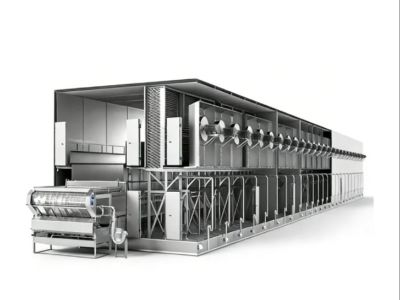
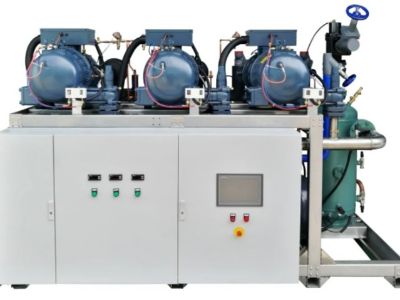
Next, consider the type of chiller: air-cooled chillers are generally easier to install and maintain, while water-cooled chillers may offer better efficiency for larger applications. For instance, Tunnel Freezer systems often integrate seamlessly with water-cooled chillers for optimal performance.

Additionally, evaluate your space constraints and whether you require a compact design or can accommodate larger units.

Finally, factor in any customization needs. Many manufacturers, including Shanghai Zhaoxue Refrigeration Co., Ltd., offer tailored solutions designed to fit specific operational demands. Customization can include modifications in size, control systems, or additional features like remote monitoring.
Key Factors to Consider

When selecting a chiller cooling system, several key factors must be considered:

Application Requirements: Understand the specific temperature and humidity control needed for your application, whether it’s for food storage, pharmaceuticals, or industrial processes.

Regulatory Compliance: Ensure that the chiller meets relevant industry standards and regulations, particularly in the food and pharmaceutical sectors, where compliance with health and safety regulations is critical.

Total Cost of Ownership: Assess not just the initial purchase price but also operating costs, maintenance requirements, and potential energy savings over the unit’s lifespan.

Supplier Reputation: Evaluate the manufacturer’s experience, production capabilities, and customer service. A reputable supplier is more likely to provide reliable systems and support.

Warranty and Support: Confirm the warranty period and the levels of customer support offered. A robust support system can be crucial for maintaining operational continuity.

Where to Source Reliable Chiller Cooling Systems for Bulk Orders

When sourcing chiller cooling systems for bulk orders, look for manufacturers with a proven track record and expertise in your specific industry. Companies like Shanghai Zhaoxue Refrigeration Co., Ltd. offer extensive experience in producing energy-efficient solutions tailored for food, pharma, and logistics sectors globally.

Trade Shows and Industry Expos are excellent venues to discover suppliers and see products firsthand. This personal interaction can provide insights into the manufacturer’s capabilities and product quality.

Additionally, online platforms and directories can help identify potential suppliers. Look for companies that offer detailed product specifications and have testimonials or case studies demonstrating successful installations.

Requesting samples or prototypes can also be beneficial. This allows for testing under real operating conditions before committing to larger orders, ensuring the system meets your needs.

Applications of Chiller Cooling Systems in Food and Pharma Industries

Chiller cooling systems play a critical role in both the food and pharmaceutical industries.

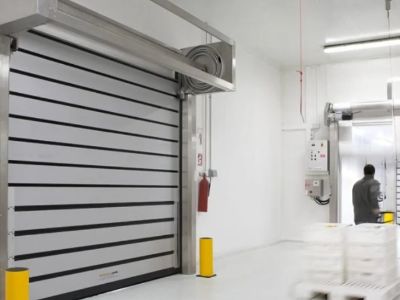
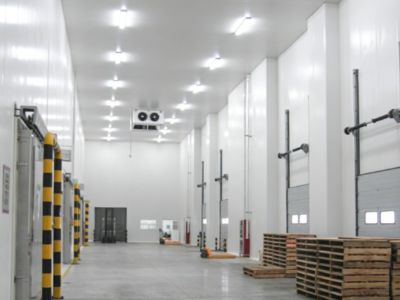
In the food industry, these systems are vital for preserving perishable goods, minimizing spoilage, and maintaining quality. They are utilized in cold storage facilities, transport vehicles, and processing plants to ensure that food products remain within safe temperature ranges.

In the pharmaceutical sector, maintaining precise temperature control is crucial for the efficacy of medications and vaccines. Chillers help ensure that sensitive products are stored and transported under optimal conditions, complying with stringent regulatory standards.

Both industries benefit from the energy efficiency and reliability of modern chiller systems. By investing in quality chiller solutions, companies can enhance operational efficiency, reduce waste, and ensure compliance with health and safety regulations.

In summary, understanding the specifications, choosing the right system, and knowing where to source reliable chiller cooling systems are fundamental steps for B2B buyers in the food and pharmaceutical industries. By considering application needs, regulatory compliance, and total cost of ownership, buyers can make informed decisions that enhance their operational capabilities.

Understanding Chiller Cooling System Specifications for Wholesale Buyers

When evaluating chiller cooling systems, several specifications can impact performance and suitability for your application. These include cooling capacity, temperature range, energy efficiency, and construction materials.

Cooling Capacity is typically measured in tons or BTUs, indicating the amount of heat a chiller can remove from a space. Selecting the right capacity ensures that the system can handle the thermal load of your facility without overworking or underperforming.

Temperature Range is also vital, as different applications may require specific temperature settings. For instance, food preservation often necessitates lower temperatures compared to pharmaceutical storage.

Energy Efficiency ratings, such as the Energy Efficiency Ratio (EER) or Coefficient of Performance (COP), help buyers understand the operational cost implications. Higher efficiency ratings can lead to significant savings in energy costs over time.

Construction Materials affect durability and maintenance. Stainless steel or corrosion-resistant materials are often preferred in food and pharmaceutical applications to ensure hygiene and longevity. Moreover, considering options like Self-stacking Spiral Freezers can enhance efficiency and performance in these sectors.

Our Blog Posts

what is a chiller used for

03

Nov

what is a chiller used for

Industrial chillers are critical components in various sectors, providing precise temperature control for a range of applications. Understanding what a energy-efficient chillers is used for can greatly influence purchasing decisions for business...
View More
how to clean condensing unit

03

Nov

how to clean condensing unit

Cleaning a condensing unit is essential for maintaining the efficiency and longevity of refrigeration systems, particularly in industries like food processing, pharmaceuticals, and logistics. Proper cleaning helps prevent malfunctions, reduces energy...
View More
what are the methods of food preservation

03

Nov

what are the methods of food preservation

Food preservation is a critical process for maintaining the quality and safety of perishable items, especially in the food industry. Understanding what are the methods of food preservation can help businesses minimize waste, ensure product integrity,...
View More
what are the advantages of food preservation

03

Nov

what are the advantages of food preservation

Food preservation is a critical process that extends the shelf life of perishable goods such as fruits, vegetables, meats, and dairy products. Understanding the advantages of food preservation can greatly benefit businesses in the food industry, incl...
View More

Leave a Message

Email
Name
Company Name
Message
0/1000

Related product categories