EN

Refrigeration evaporators are crucial components in various industrial applications involving temperature control and preservation. For B2B buyers, understanding their specifications, installation requirements, and common issues is vital to ensuring efficient operations. This article will guide purchasing managers, engineers, and product managers through the essential knowledge needed for sourcing refrigeration evaporators, addressing key concerns like product performance, cost implications, and supplier evaluation.
Installation Guidance for Efficient Refrigeration Evaporators
Proper installation of refrigeration evaporators is crucial for optimal performance. Here are key considerations:
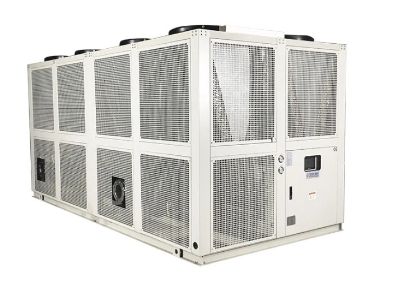
Site Preparation: Ensure that the location is suitable for the specific type of evaporator being installed. For instance, air-cooled evaporators need adequate ventilation, while water-cooled systems require proper plumbing and a water supply.
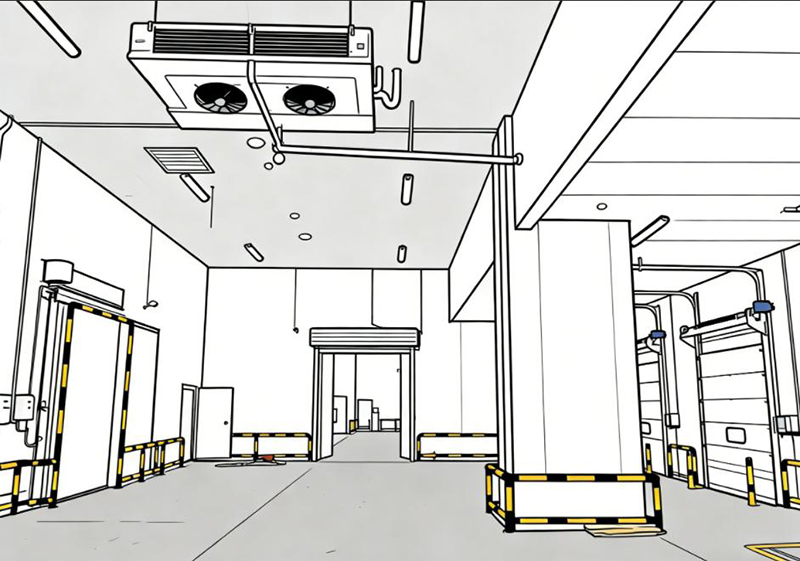
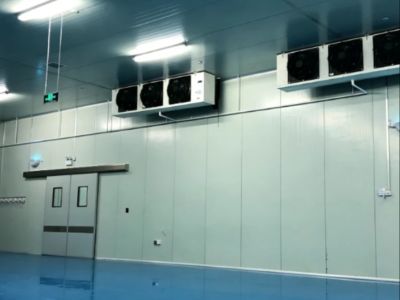
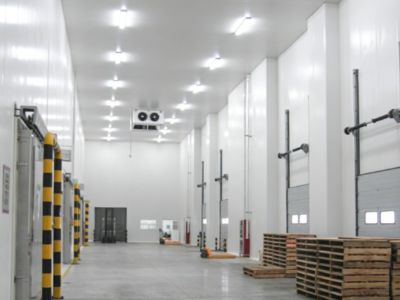
Mounting and Positioning: Correct positioning can affect airflow and cooling efficiency. Follow the manufacturer’s guidelines for mounting heights and orientation to prevent hot spots and ensure uniform cooling.
Electrical and Control Systems: Integration with existing control systems is essential for automated operation. Ensure that the electrical specifications match your facility's requirements, and consider consulting with an engineer to optimize energy efficiency during installation.
Testing After Installation: Once installed, refrigeration evaporators should be tested under actual operating conditions to confirm that they meet the expected performance metrics. Monitoring temperature and humidity levels initially can help identify any installation issues.