Refrigeration Evaporator Specifications and Sourcing

Let's Discuss Your Needs

Every great collaboration starts with a friendly chat.
We're here to help you figure things out and find the best way forward.
Company Name
Name
Email
WhatsApp
Mobile

refrigeration evaporator

Refrigeration evaporators are crucial components in various industrial applications involving temperature control and preservation. For B2B buyers, understanding their specifications, installation requirements, and common issues is vital to ensuring efficient operations. This article will guide purchasing managers, engineers, and product managers through the essential knowledge needed for sourcing refrigeration evaporators, addressing key concerns like product performance, cost implications, and supplier evaluation.

Installation Guidance for Efficient Refrigeration Evaporators

Proper installation of refrigeration evaporators is crucial for optimal performance. Here are key considerations:

Site Preparation: Ensure that the location is suitable for the specific type of evaporator being installed. For instance, air-cooled evaporators need adequate ventilation, while water-cooled systems require proper plumbing and a water supply.

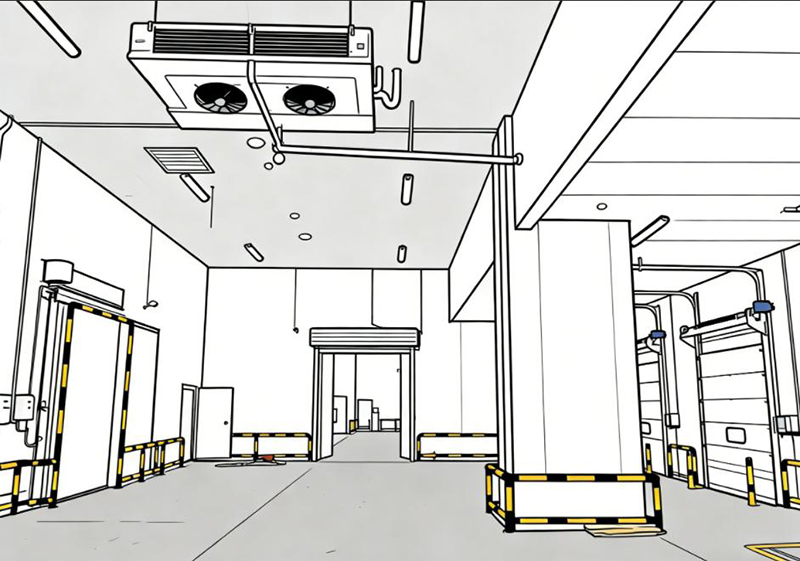
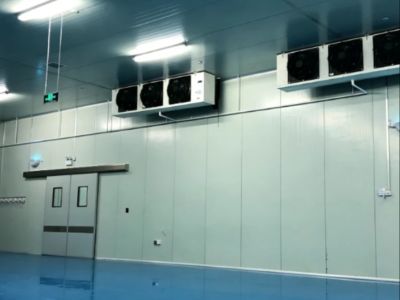
Mounting and Positioning: Correct positioning can affect airflow and cooling efficiency. Follow the manufacturer’s guidelines for mounting heights and orientation to prevent hot spots and ensure uniform cooling.

Electrical and Control Systems: Integration with existing control systems is essential for automated operation. Ensure that the electrical specifications match your facility's requirements, and consider consulting with an engineer to optimize energy efficiency during installation.

Testing After Installation: Once installed, refrigeration evaporators should be tested under actual operating conditions to confirm that they meet the expected performance metrics. Monitoring temperature and humidity levels initially can help identify any installation issues.
Addressing Common Problems with Refrigeration Evaporators

Understanding potential problems can help prevent costly downtime. Here are some common issues and their solutions:

Inefficient Cooling: This can result from improper sizing, installation errors, or insufficient airflow. Regularly inspect filters and fans for blockages, and ensure the evaporator is correctly matched to the cooling load.

Frost Build-up: Frost can block airflow and reduce efficiency. Monitor humidity levels and ensure proper defrost cycles are in place to mitigate this issue. If frost persists, consider adjusting the defrost settings or consulting with a technician.

Noise Issues: Unusual noises can indicate mechanical issues or improper installation. Verify that the evaporator is securely mounted and that components like fans or compressors are functioning correctly.

Leakage: Refrigerant leaks can pose serious problems. Conduct routine inspections and maintenance checks to ensure the integrity of all components. If a leak is suspected, contact a qualified technician immediately for repairs.

Evaluating Cost Factors When Sourcing Refrigeration Evaporators

Cost considerations extend beyond the initial purchase price. Here are critical factors to evaluate:

Initial Costs vs. Long-Term Savings: While it may be tempting to opt for the lowest-priced evaporator, consider energy efficiency ratings that can lead to substantial long-term savings. Higher upfront costs for energy-efficient models can yield better returns over time.

Customization Costs: Custom-engineered solutions may incur additional fees. Ensure that the benefits of customization align with your operational needs, and request quotes from multiple suppliers to compare pricing.

Maintenance and Operational Costs: Factor in the expected maintenance requirements and costs associated with the evaporators. Systems that are easier to service can reduce downtime and maintenance expenses.

Shipping and Import Fees: For international orders, shipping costs and import tariffs can significantly affect the total investment. Discuss these factors with suppliers early in the negotiation process to avoid surprises.

Where to Find Wholesale Refrigeration Evaporators for Distributors

For distributors seeking to source refrigeration evaporators, building relationships with reliable manufacturers is key. Here are effective strategies:

Industry Trade Shows and Expos: Attending industry events can provide valuable networking opportunities. These events often feature manufacturers showcasing their latest technologies and products, allowing you to assess quality firsthand.

Online Marketplaces and Directories: Utilize B2B platforms that specialize in industrial equipment. These platforms often allow for bulk purchasing and provide buyer reviews to help evaluate potential suppliers.

Manufacturer Websites: Many manufacturers offer direct sales to distributors. Research manufacturers like Shanghai Zhaoxue Refrigeration Co., Ltd. that highlight their capabilities, product ranges, and customization options on their websites.

Request for Quotation (RFQ): Prepare detailed RFQs specifying your requirements, including product type, capacity, dimensions, and any custom features needed. This will help suppliers provide accurate quotes and facilitate comparison shopping.

By understanding the specifications, installation requirements, potential problems, cost factors, and sourcing strategies for refrigeration evaporators, B2B buyers can make informed purchasing decisions that enhance operational efficiencies and reduce long-term costs.

Understanding Refrigeration Evaporator Specifications for Bulk Orders

When sourcing refrigeration evaporators, several specifications must be considered to ensure compatibility with your cold storage systems. Key specifications include the evaporator type (e.g., air-cooled, water-cooled), capacity (measured in BTUs), and dimensions.

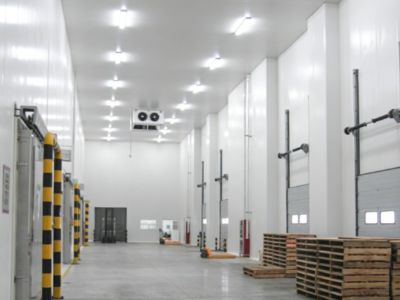
Performance Requirements: Each evaporator must match the cooling load of the application. The capacity should be calculated based on factors such as the size of the storage area, ambient conditions, and the type of goods being stored, whether food, pharmaceuticals, or other temperature-sensitive items. For instance, proper Cold Room design is essential for maximizing cooling efficiency.

Material Selection: The materials used in evaporators, such as copper or aluminum for coils, impact thermal conductivity and corrosion resistance. For example, while copper offers excellent heat transfer, it may not be suitable for environments with high humidity without additional protective coatings.

Customization Capabilities: Many manufacturers, including Shanghai Zhaoxue Refrigeration Co., Ltd., offer custom-engineered solutions. Provide specific requirements regarding dimensions, material preferences, and performance specifications when requesting bulk orders to ensure the evaporators meet your operational needs. Additionally, consider options like REFRIGERATION UNITS that can be tailored to fit various applications.

Frequently Asked Questions

What is a refrigeration evaporator?

A refrigeration evaporator transfers heat from the cooled space to refrigerant, producing the cold needed for cold rooms, freezers, and ice machines in commercial applications.
Our evaporators serve food processing, pharmaceutical storage, logistics cold chains, and any application needing reliable temperature control and sanitation.
Yes. We design custom evaporators to meet specific temperature, airflow, size, and automation requirements for your cold storage or freezer project.
Our evaporators are optimized for high heat transfer and low pressure drop, reducing compressor run time and overall energy consumption in integrated systems.
Routine tasks include cleaning coils, checking fans and drains, and refrigerant checks. We provide documentation, installation guidance, and global support for service and spare parts.

Our Blog Posts

10 Fascinating Facts About Cold Room You Never Knew!

12

Oct

10 Fascinating Facts About Cold Room You Never Knew!

The World's Largest "Refrigerator" Can Hold the Entire City of Rome. The global cold storage network is vast beyond imagination. For instance, the total storage capacity of one of North America's largest cold storage operators exceeds 400 million cub...
View More
how to set cold room temperature

03

Nov

how to set cold room temperature

Setting the right cold room temperature is crucial for industries that rely on precise temperature control to maintain the quality and safety of their products. Whether you are in the food, pharmaceutical, or logistics sector, understanding how to se...
View More
what is a chiller used for

03

Nov

what is a chiller used for

Industrial chillers are critical components in various sectors, providing precise temperature control for a range of applications. Understanding what a energy-efficient chillers is used for can greatly influence purchasing decisions for business...
View More
what is the standard temperature of chiller

03

Nov

what is the standard temperature of chiller

Understanding the standard temperature of chillers is crucial for multiple industries, including food, pharmaceuticals, and logistics. This article dives into the specifics of what is the standard temperature of a energy-efficient chillers, addressin...
View More

Leave a Message

Email
Name
Company Name
Message
0/1000

Related product categories