EN

Cold room storage is a specialized solution designed to maintain controlled temperatures for perishable goods, ensuring they remain fresh and safe for consumption. For businesses in sectors like food, pharmaceuticals, and logistics, selecting the right cold storage system is crucial for compliance, quality preservation, and operational efficiency. This article will guide purchasing managers, distributors, and engineers through critical considerations when evaluating cold room storage options, addressing specifications, supplier reliability, installation tips, and common issues.
Key Specifications to Consider in Cold Storage Solutions
When evaluating cold room storage solutions, several key specifications should be prioritized:
Temperature Range: Ensure that the system can maintain the specific temperature range required for your products. For food storage, this might be between -18°C to 4°C, while pharmaceutical products may require even more precise controls.
Material: The materials used in construction, such as insulated panels, should provide adequate thermal resistance. Polyurethane foam is commonly used due to its excellent insulation properties.
Dimensions: The size of the cold room must accommodate your inventory efficiently. Consider vertical space utilization as well—higher ceilings may allow for more vertical racking.
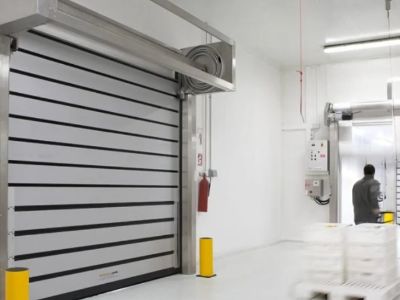
Sealing and Access Points: Proper sealing is crucial to maintaining temperature. Evaluate door types (e.g., sliding vs. hinged) and other access points to ensure they meet your workflow and energy efficiency requirements.
Energy Efficiency Ratings: Look for systems that have energy-efficient technologies, such as variable speed compressors and LED lighting, which can lower your operational costs.
Automation Features: Depending on your needs, automated monitoring and control systems can help maintain optimal conditions and provide alerts for any deviations, enhancing safety and quality control.