Choosing the Right Cold Room Storage Solutions

Let's Discuss Your Needs

Every great collaboration starts with a friendly chat.
We're here to help you figure things out and find the best way forward.
Company Name
Name
Email
WhatsApp
Mobile

cold room storage

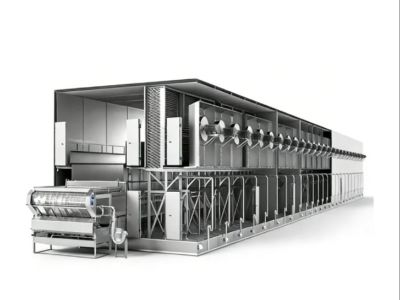
Cold room storage is a specialized solution designed to maintain controlled temperatures for perishable goods, ensuring they remain fresh and safe for consumption. For businesses in sectors like food, pharmaceuticals, and logistics, selecting the right cold storage system is crucial for compliance, quality preservation, and operational efficiency. This article will guide purchasing managers, distributors, and engineers through critical considerations when evaluating cold room storage options, addressing specifications, supplier reliability, installation tips, and common issues.

Key Specifications to Consider in Cold Storage Solutions

When evaluating cold room storage solutions, several key specifications should be prioritized:

Temperature Range: Ensure that the system can maintain the specific temperature range required for your products. For food storage, this might be between -18°C to 4°C, while pharmaceutical products may require even more precise controls.

Material: The materials used in construction, such as insulated panels, should provide adequate thermal resistance. Polyurethane foam is commonly used due to its excellent insulation properties.

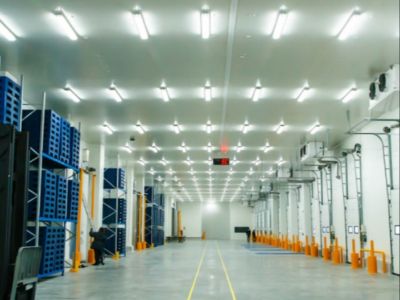
Dimensions: The size of the cold room must accommodate your inventory efficiently. Consider vertical space utilization as well—higher ceilings may allow for more vertical racking.

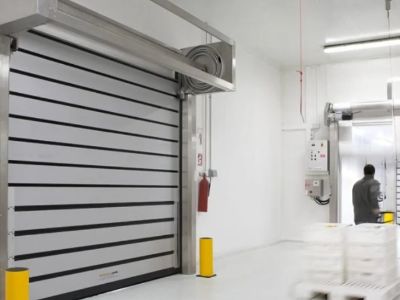
Sealing and Access Points: Proper sealing is crucial to maintaining temperature. Evaluate door types (e.g., sliding vs. hinged) and other access points to ensure they meet your workflow and energy efficiency requirements.

Energy Efficiency Ratings: Look for systems that have energy-efficient technologies, such as variable speed compressors and LED lighting, which can lower your operational costs.

Automation Features: Depending on your needs, automated monitoring and control systems can help maintain optimal conditions and provide alerts for any deviations, enhancing safety and quality control.
Where to Find Reliable Suppliers for Cold Storage Equipmen

Finding trustworthy suppliers for cold room storage equipment is essential for ensuring quality and reliability. Start by considering manufacturers with a solid reputation in the refrigeration industry. Look for certifications that validate their compliance with industry standards, such as ISO 9001 for quality management systems.

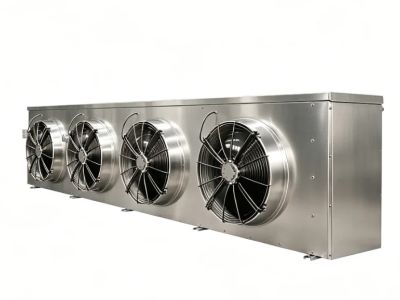
Networking at industry trade shows or forums can also lead you to reputable suppliers. Often, these events provide access to product demonstrations, allowing you to evaluate systems firsthand. Online platforms and industry directories can help you compile a list of potential suppliers, but always seek references or testimonials from previous clients to gauge their reliability. For instance, suppliers of REFRIGERATION UNITS often have established networks within the industry.

Before making a decision, inquire about after-sales support. Reliable suppliers should offer prompt assistance for maintenance and troubleshooting, ensuring your cold room operates smoothly over time.

Installation Guidance for Efficient Cold Room Systems

Proper installation of cold room storage systems is critical to their performance and longevity. Begin by ensuring that the installation area is adequately prepared, including electrical and plumbing requirements. It’s essential to work with experienced contractors or the manufacturer’s technicians who understand the nuances of cold room installation.

During installation, attention should be paid to insulation and sealing to prevent cold air loss. Ensure that all joints are properly sealed, as even minor gaps can lead to significant energy waste. After installation, conduct a thorough inspection to verify that temperature settings are accurate and that the system is functioning as expected.

Training for operational staff should also be part of the installation process. Ensure that employees understand how to operate the system, monitor temperatures, and respond to alarms effectively. This will minimize operational errors and ensure compliance with safety and quality standards.

Common Problems with Cold Room Storage and Their Solutions

Cold room storage systems can encounter several common issues that may affect performance. Here are a few to watch for, along with practical solutions:

Temperature Fluctuations: This can arise from poor insulation, malfunctioning thermostats, or frequent door openings. Regular maintenance checks can help identify issues early. Implementing an access control system can also minimize unnecessary openings.

Frost Buildup: Excessive frost can reduce efficiency and storage space. Ensure that defrost cycles are functioning correctly and consider upgrading to a system with automatic defrost capabilities.

Noise Issues: Noise from compressors or fans can be disruptive. Ensure that the installation location allows for adequate sound dampening. If noise persists, consult with the supplier about potential modifications or noise-reduction solutions.

Energy Inefficiency: If energy bills are higher than expected, evaluate the insulation quality and sealing. Regular audits can help identify any heat leaks or areas for improvement.

System Failures: To mitigate the risk of system failures, implement a regular maintenance schedule. This should include checking all components, cleaning coils, and ensuring that refrigerant levels are adequate.

By being proactive in addressing these common problems, businesses can maintain optimal performance and extend the life of their cold room storage systems.

In summary, understanding the specifications, selecting a reliable supplier, ensuring proper installation, and being aware of common issues can significantly enhance the effectiveness of cold room storage solutions. By prioritizing these factors, businesses can protect their investments and ensure the integrity of their perishable goods.

Choosing the Right Cold Room Storage for Your Wholesale Needs

Selecting the appropriate cold room storage system begins with understanding your specific requirements. Factors such as the type of goods being stored, volume needs, and the desired temperature range should guide your decision. For instance, food products may require different temperature controls compared to pharmaceutical items, which often need stricter regulations. Consideration of Cold Room solutions can also provide additional insights.

Consider customization options as well. A one-size-fits-all solution may not meet specific storage needs; for example, you might need adjustable shelving or specialized temperature zones. Energy efficiency is another critical factor; energy-efficient designs can significantly reduce operating costs over time.

Always assess whether the cold room storage can be integrated with your existing logistics systems, particularly if automated processes are in place. Understanding your operational workflow and how the cold storage fits into it can help prevent disruptions and maximize efficiency.

Frequently Asked Questions

What is your cold room storage used for?

Our cold room storage preserves temperature-sensitive products for food, pharmaceutical, and logistics applications, ensuring quality and shelf life with controlled environments.
Yes. We design custom-engineered cold rooms to meet specific size, temperature, and workflow requirements, including automation and integration.
We support a broad range from mild chill to deep-freeze conditions, tailored per project specs to meet food safety and pharmaceutical storage standards.
Our systems use efficient compressors, insulation, and controls to minimize energy use. We optimize designs for lower operating costs and reduced environmental impact.
Yes. We provide full installation, commissioning, staff training, and ongoing maintenance contracts, plus remote monitoring and spare-part support globally.

Our Blog Posts

how to set temperature in chiller

03

Nov

how to set temperature in chiller

Setting the correct temperature in a chiller is crucial for maintaining the quality and safety of sensitive products, especially in industries like food, pharmaceuticals, and logistics. This article will address key considerations for B2B buyers, inc...
View More
what does evaporator coil do

03

Nov

what does evaporator coil do

Understanding what an evaporator coil does is essential for anyone involved in the purchasing or maintenance of refrigeration systems. These coils play a crucial role in cooling processes by absorbing heat from the environment, making them indispensa...
View More
what are the methods of food preservation

03

Nov

what are the methods of food preservation

Food preservation is a critical process for maintaining the quality and safety of perishable items, especially in the food industry. Understanding what are the methods of food preservation can help businesses minimize waste, ensure product integrity,...
View More
what are the advantages of food preservation

03

Nov

what are the advantages of food preservation

Food preservation is a critical process that extends the shelf life of perishable goods such as fruits, vegetables, meats, and dairy products. Understanding the advantages of food preservation can greatly benefit businesses in the food industry, incl...
View More

Leave a Message

Email
Name
Company Name
Message
0/1000

Related product categories