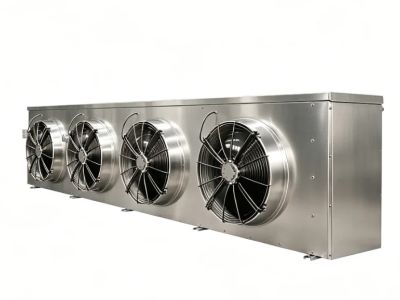
Choosing the Right Air Cooled Condensing Unit

Let's Discuss Your Needs

Every great collaboration starts with a friendly chat.
We're here to help you figure things out and find the best way forward.
Company Name
Name
Email
WhatsApp
Mobile

air cooled condensing unit

Air cooled condensing units are critical components in various refrigeration systems, playing a vital role in cooling applications across industries such as food, pharmaceuticals, and logistics. For B2B buyers, selecting the right unit involves understanding specifications, energy efficiency, and the specific needs of their operations. In this guide, we will provide insights into choosing, purchasing, and evaluating air cooled condensing units, ensuring that you have the knowledge to make informed decisions for your projects. Additionally, consider exploring options such as REFRIGERATION UNITS to enhance your understanding of cooling systems.

Wholesale Purchasing Guide for Air Cooled Condensing Units

When purchasing air cooled condensing units in bulk, it's essential to have a structured approach to ensure you obtain the best value and quality. Begin by determining your project's specific needs, including the required quantity, specifications, and any customization needed. This information will be crucial when requesting quotations from suppliers.

Next, compile a list of potential suppliers. Look for manufacturers with proven experience in the refrigeration industry, such as Shanghai Zhaoxue Refrigeration Co., Ltd., which specializes in energy-efficient cold storage solutions. Check for customer reviews, industry certifications, and references to ensure reliability.

When requesting quotes, provide detailed specifications, including cooling capacity, refrigerant type, and any specific features such as variable speed drive or integrated controls. This will enable suppliers to offer accurate pricing and lead times. Don’t forget to inquire about minimum order quantities (MOQ) and bulk discounts.

After receiving quotations, evaluate them not only based on price but also on warranty terms, support services, and delivery timelines. A lower price may come with longer lead times or less favorable warranty conditions, so weigh these factors carefully.
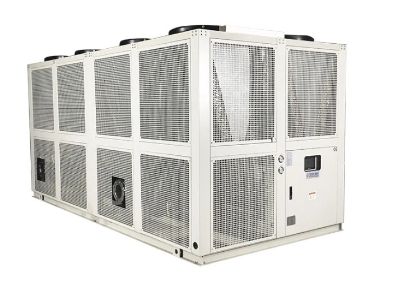
Reliable Suppliers of Air Cooled Condensing Units for Bulk Orders

Finding reliable suppliers is crucial for ensuring consistent quality and service. Start by researching manufacturers known for their expertise in air cooled condensing units. Look for companies that demonstrate a robust quality control process and have experience in exporting to your region.

Engaging with suppliers who have a strong background in your specific industry—such as food, pharmaceuticals, or logistics—can also be beneficial. They are more likely to understand the unique demands of your applications and can offer tailored solutions.

Additionally, consider suppliers who provide comprehensive after-sales support. This includes installation guidance, maintenance services, and prompt response to inquiries. Establishing a good relationship with your supplier can lead to better collaboration and support in future projects.

How to Compare Air Cooled Condensing Units for Optimal Performance

When comparing air cooled condensing units, focus on several performance indicators that can significantly impact your operations. Start with the cooling capacity, ensuring that the unit can handle the load required by your facility.

Next, examine the energy efficiency ratings. Units with higher EER or SEER ratings will typically provide better performance, reducing energy costs over time. Performance under various conditions, such as high ambient temperatures, should also be evaluated to ensure reliability in real-world scenarios.

Consider the unit's operational noise level, especially if it will be installed in noise-sensitive environments. Manufacturers often provide decibel ratings, allowing you to compare models effectively.

Finally, look at the durability and construction quality of the units. Materials used in the manufacturing process, such as corrosion-resistant coatings for outdoor units, can impact longevity and maintenance needs.

Applications of Air Cooled Condensing Units in Various Industries

Air cooled condensing units find applications across a range of industries, each with distinct requirements. In the food and beverage sector, these units are integral to maintaining optimal temperatures in refrigeration systems for storage and transportation, ensuring product safety and quality.

In the pharmaceutical industry, precise temperature control is critical. Air cooled condensing units must provide reliable cooling for storage of sensitive medications and vaccines, adhering to strict regulatory standards.

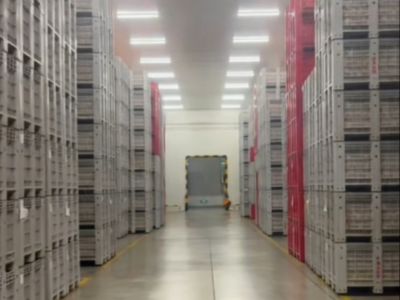
Logistics companies also leverage air cooled condensing units for efficient temperature management in distribution centers. This ensures that products are kept within required temperatures during storage and transit, minimizing spoilage and waste.

Other applications include commercial buildings, where these units contribute to HVAC systems for climate control, and data centers, where they help maintain optimal operating conditions for sensitive electronic equipment.

Air cooled condensing units are vital components across various industries, and understanding how to select, purchase, and evaluate them is essential for B2B buyers. By following the guidelines outlined, you can make informed decisions that enhance your operational efficiency and product quality.

Choosing the Right Air Cooled Condensing Unit for Your Project Needs

When selecting an air cooled condensing unit, several key factors must be considered to match the specific requirements of your project. First, assess the cooling capacity needed for your application. This is typically measured in tons or kilowatts and should align with the heat load generated by the equipment or space being cooled.

Next, evaluate the type of refrigerant used in the unit. Common refrigerants include R410A and R134A, each with distinct environmental and efficiency profiles. The choice of refrigerant can significantly impact energy consumption and compliance with local regulations.

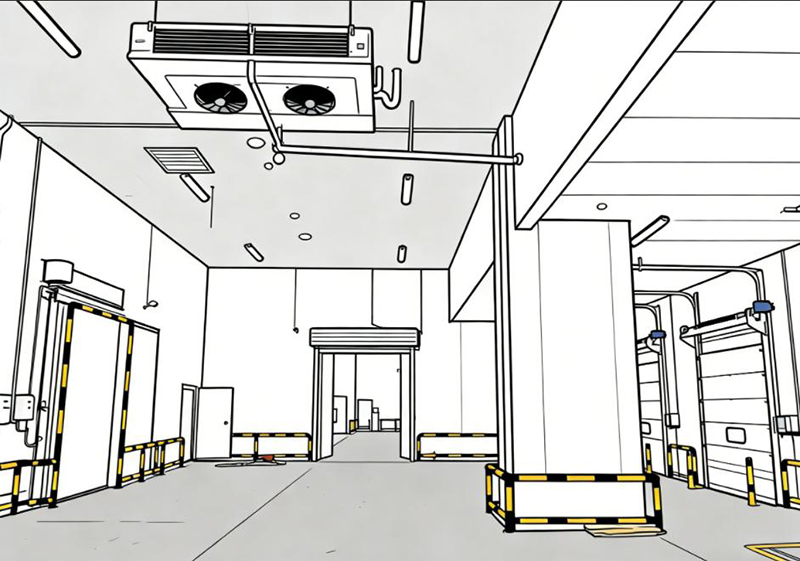
Additionally, consider the physical dimensions and installation requirements of the unit. Ensure that the chosen model fits within your facility's space constraints and can be properly integrated into existing systems. Noise levels and vibration should also be assessed, especially in environments where quiet operation is crucial.

Lastly, energy efficiency ratings, such as EER (Energy Efficiency Ratio) or SEER (Seasonal Energy Efficiency Ratio), provide insight into operational costs over the unit's lifespan. Selecting a unit with higher efficiency can lead to significant long-term savings, especially when considering Cold Room applications that require consistent temperature control.

Frequently Asked Questions

What is an air cooled condensing unit?

An air cooled condensing unit removes heat from refrigeration systems using ambient air. It includes a compressor, condenser, fan, and controls to condense refrigerant for cold rooms, freezers, or ice machines.
Designed for food, pharmaceutical, and logistics sectors needing reliable cooling, cold storage, freezing, or ice production with automated system integration.
Yes. We provide custom-engineered units tailored to capacity, space, refrigerant type, control integration, and automation requirements for your specific application.
Units are built for energy efficiency with optimized compressors, fans, coils and support for low-GWP refrigerants and intelligent controls to reduce energy use and emissions.
We offer technical support, installation guidance, remote or on-site commissioning, spare parts supply, and warranty terms tailored per contract to ensure reliable operation.

Our Blog Posts

10 Fascinating Facts About Cold Room You Never Knew!

12

Oct

10 Fascinating Facts About Cold Room You Never Knew!

The World's Largest "Refrigerator" Can Hold the Entire City of Rome. The global cold storage network is vast beyond imagination. For instance, the total storage capacity of one of North America's largest cold storage operators exceeds 400 million cub...
View More
what is the standard temperature of chiller

03

Nov

what is the standard temperature of chiller

Understanding the standard temperature of chillers is crucial for multiple industries, including food, pharmaceuticals, and logistics. This article dives into the specifics of what is the standard temperature of a energy-efficient chillers, addressin...
View More
what does evaporator coil do

03

Nov

what does evaporator coil do

Understanding what an evaporator coil does is essential for anyone involved in the purchasing or maintenance of refrigeration systems. These coils play a crucial role in cooling processes by absorbing heat from the environment, making them indispensa...
View More
controlled atmosphere storage of fruits and vegetables

03

Nov

controlled atmosphere storage of fruits and vegetables

Controlled atmosphere storage of fruits and vegetables is a critical component in preserving the quality and extending the shelf life of produce. These specialized storage solutions regulate temperature, humidity, and gas composition to slow down rip...
View More

Leave a Message

Email
Name
Company Name
Message
0/1000

Related product categories