Selecting the Right Blast Chiller for Your Business

Let's Discuss Your Needs

Every great collaboration starts with a friendly chat.
We're here to help you figure things out and find the best way forward.
Company Name
Name
Email
WhatsApp
Mobile

blast chiller commercial

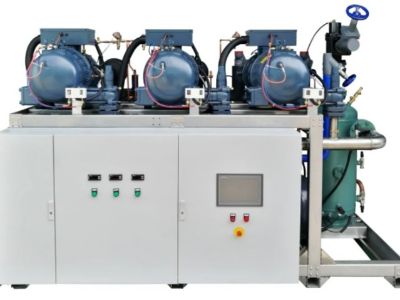
A blast chiller commercial is an essential piece of equipment for businesses in the food, pharmaceutical, and logistics industries, designed to rapidly lower the temperature of food and other perishable items. This technology is crucial for preserving quality, safety, and extending shelf life. Buyers often have concerns about efficiency, cost, and suitability for specific applications. This article will guide you through critical considerations when selecting a blast chiller, including how to choose the right model, cost factors, common issues, and best practices for operation and maintenance.

How to Choose the Right Blast Chiller for Your Business Needs

Choosing the right blast chiller involves evaluating multiple aspects. Start by determining the type that best suits your application: static or blast chillers. Static chillers are ideal for products that can be stacked, while blast chillers are suitable for bulk items that need rapid cooling.

Next, consider the materials used in construction. Stainless steel is commonly preferred for its durability, ease of cleaning, and resistance to corrosion. Verify that the materials used comply with health and safety standards, especially in food-related applications.

Customization options can also play a significant role in your decision. Depending on your specific needs, you may require features such as programmable controls, adjustable shelving, or specialized racks for different products. Discuss these requirements with your supplier to ensure the chiller will effectively support your operations. For instance, options like the Self-stacking Spiral Freezers can provide unique solutions for specific needs.

Lastly, confirm the technical specifications. Key parameters include the noise level, footprint dimensions, and power supply requirements. Ensuring compatibility with your existing infrastructure is essential to avoid any operational disruptions.
Cost Factors to Consider When Purchasing Commercial Blast Chillers

The cost of commercial blast chillers can vary widely based on several factors. Initial purchase price is the most obvious factor, but it’s crucial to consider the total cost of ownership. This includes installation, maintenance, energy consumption, and potential downtime costs.

When evaluating quotes, look closely at the energy efficiency ratings. Higher efficiency models may have a higher upfront cost but can lead to significant savings over time. Additionally, consider the warranty and service agreements offered by the manufacturer. A robust warranty can mitigate long-term costs associated with repairs and maintenance.

Another aspect to evaluate is the availability of replacement parts and the expected lifespan of the unit. A lower initial cost might not be worthwhile if parts are hard to source or if the machine has a shorter lifespan than more durable alternatives.

Finally, don't forget to factor in any customization or additional features that may be necessary for your specific application. Custom options can add to the initial investment but may improve performance and efficiency in the long run.

Common Problems with Blast Chillers and Effective Solutions

While blast chillers are generally reliable, several common issues can arise. One frequent problem is inadequate cooling, which may result from a malfunctioning compressor or insufficient insulation. Regular maintenance checks are crucial to identifying and addressing these issues before they escalate.

Another problem is frost buildup, which can hinder efficiency and lead to increased energy consumption. To mitigate this, ensure proper airflow around the unit and regularly defrost the chiller as needed.

Noise can also be a concern, particularly in environments where a quiet atmosphere is paramount. If excessive noise is noted, it may indicate an issue with the compressor or fan, which should be inspected by a qualified technician.

Lastly, improper temperature settings can lead to product spoilage. Regularly calibrating the temperature controls and monitoring the system can help maintain optimal conditions. It’s also advisable to train staff on the importance of proper usage and maintenance protocols to prevent these common issues.

Best Practices

To ensure your blast chiller commercial operates at peak performance, follow these best practices. First, establish a regular maintenance schedule that includes cleaning, inspections, and prompt repairs as necessary. This proactive approach will extend the lifespan of your equipment and minimize unexpected downtime.

Next, train your staff on proper loading techniques. Overloading the chiller can impede airflow and reduce efficiency, so it's vital to follow the manufacturer's guidelines for maximum capacity and product arrangement.

Monitor temperature settings frequently to ensure the unit operates within the desired parameters. Using data logging systems can help track performance and alert you to any deviations that may indicate a problem.

Lastly, maintain clear communication with your supplier or manufacturer. They can provide ongoing support, troubleshooting advice, and updates on best practices, ensuring you get the most out of your investment.

By considering these factors and applying best practices, you can make an informed decision when purchasing a blast chiller commercial, ensuring it meets your operational needs while enhancing efficiency and product quality.

What to Consider

When selecting a blast chiller commercial, several factors should be taken into account. First, assess the capacity needed based on your business's volume and types of products. The chilling capacity is typically measured in kilograms per hour and should align with your production needs.

Next, consider the temperature range your products require. Different applications may necessitate varying chilling speeds, so understanding your specific requirements is critical. For example, rapid chilling is vital for maintaining the quality of freshly cooked food, while slower rates may be sufficient for other items.

Energy efficiency is another key consideration. With rising energy costs, selecting a model that minimizes power consumption while delivering effective performance can significantly impact your operating expenses. Look for units with energy-efficient compressors and insulation to enhance thermal performance. Models like the Tunnel Freezer can serve as a reference for energy-efficient solutions.

Finally, think about maintenance and serviceability. A blast chiller that is easy to clean and maintain will save time and reduce downtime in your operations. Ensure the model you choose has accessible components and support from the manufacturer for troubleshooting and repairs.

Frequently Asked Questions

What is a blast chiller commercial used for?

A commercial blast chiller rapidly reduces food temperature to preserve quality, extend shelf life, and meet food safety regulations for restaurants, production lines, and cold storage facilities.
Yes. Shanghai Zhaoxue provides custom-engineered blast chillers and automated controls tailored to capacity, layout, and integration needs for food, pharma, and logistics operations.
Our blast chillers use optimized refrigeration cycles and insulation to minimize power use while maintaining rapid cooling, reducing operational costs and carbon footprint compared to conventional units.
We manufacture a wide range of capacities from small commercial units to large modular systems for industrial cold rooms, scalable to customer throughput and storage requirements.
Yes. We offer global installation, commissioning, training, and maintenance services, plus spare parts and remote support to ensure reliable, continuous operation.

Our Blog Posts

what is the purpose of a cold room

03

Nov

what is the purpose of a cold room

The purpose of a cold room is essential for various industries, primarily focusing on the preservation and storage of temperature-sensitive products. This article delves into the role of cold rooms, specifically in the food industry, and provides ins...
View More
how to set temperature in chiller

03

Nov

how to set temperature in chiller

Setting the correct temperature in a chiller is crucial for maintaining the quality and safety of sensitive products, especially in industries like food, pharmaceuticals, and logistics. This article will address key considerations for B2B buyers, inc...
View More
how to clean condensing unit

03

Nov

how to clean condensing unit

Cleaning a condensing unit is essential for maintaining the efficiency and longevity of refrigeration systems, particularly in industries like food processing, pharmaceuticals, and logistics. Proper cleaning helps prevent malfunctions, reduces energy...
View More
what are the methods of food preservation

03

Nov

what are the methods of food preservation

Food preservation is a critical process for maintaining the quality and safety of perishable items, especially in the food industry. Understanding what are the methods of food preservation can help businesses minimize waste, ensure product integrity,...
View More

Leave a Message

Email
Name
Company Name
Message
0/1000

Related product categories