5 Ton Condensing Unit: Key Features and Benefits

Let's Discuss Your Needs

Every great collaboration starts with a friendly chat.
We're here to help you figure things out and find the best way forward.
Company Name
Name
Email
WhatsApp
Mobile

5 ton condensing unit

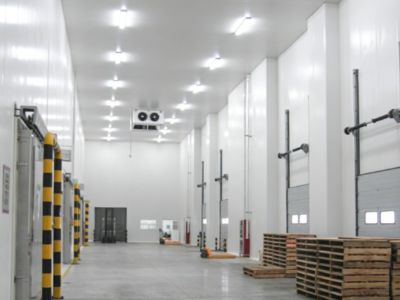
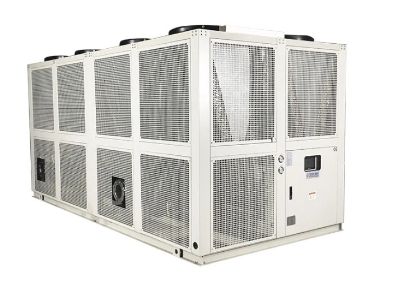
A 5 ton condensing unit is a critical component in commercial refrigeration and HVAC systems, widely used for applications such as cold storage, food preservation, and climate control in various industries. As a B2B buyer, you may have concerns regarding energy efficiency, reliability, and suitability for your specific application. This article aims to provide valuable insights into key specifications, features, sourcing, quality assurance practices, and common issues related to 5 ton condensing units, helping you make informed purchasing decisions. For more information on energy-efficient solutions, consider exploring our REFRIGERATION UNITS.

Key Specifications to Evaluate in a 5 Ton Condensing Uni

5 ton condensing units come equipped with various features that enhance their functionality and efficiency:

Variable Speed Compressors: These compressors adjust their speed based on the cooling demand, leading to significant energy savings and improved temperature control.

Smart Controls: Many modern units include advanced control systems that allow for remote monitoring and management, enabling users to optimize performance and energy usage.

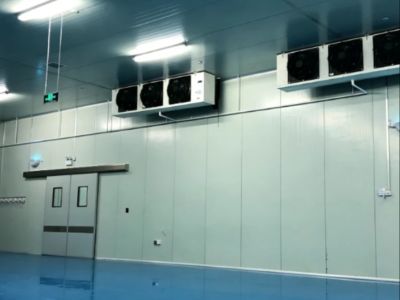
Durable Construction: High-quality materials and coatings can enhance the unit's longevity, particularly in harsh environments. Look for units with weather-resistant housing to withstand outdoor conditions. For instance, our Cold Room solutions are designed with durability in mind.

Modular Design: This feature allows for easy maintenance and upgrades, minimizing downtime during service.

Each of these features contributes to a more efficient and reliable system, ensuring that your cooling needs are met effectively.
Cost Factors to Consider When Purchasing a 5 Ton Condensing Uni

Sourcing a reliable 5 ton condensing unit involves evaluating suppliers based on several key factors:

Reputation and Experience: Consider manufacturers with a proven track record in the refrigeration and HVAC industry. Companies with extensive experience often have the expertise to provide quality products and support.

Customization Options: Look for suppliers that offer customization capabilities to meet specific operational requirements or unique applications.

Certifications: Verify that the manufacturer complies with industry standards. Certifications like ISO and AHRI ensure that products meet quality and efficiency benchmarks.

After-Sales Support: Good customer service and support can make a significant difference. Check if the supplier provides installation assistance, maintenance services, or warranties.

Global Reach: Suppliers with international experience, like Shanghai Zhaoxue Refrigeration Co., Ltd., can offer insights into different market requirements and help navigate regulatory considerations.

Gathering quotes from multiple suppliers will also help you compare pricing and features effectively.

Installation Guidance for Your New 5 Ton Condensing Uni

Quality assurance is vital in the manufacturing of 5 ton condensing units to ensure reliability and performance. Here are some critical practices:

Material Selection: The use of high-quality materials can prevent premature failure. Manufacturers should choose corrosion-resistant metals and durable insulation materials to enhance longevity.

Testing Procedures: Rigorous testing of each unit under various conditions is essential. This includes performance testing, energy efficiency assessments, and noise level measurements to ensure compliance with specifications.

Production Oversight: Continuous monitoring during the manufacturing process helps identify and mitigate potential issues early on. This can include real-time quality checks and regular audits of production equipment.

Feedback Loop: Incorporating customer feedback into the manufacturing process can lead to improvements in design and functionality, enhancing the overall quality of the units.

By focusing on these quality assurance practices, manufacturers can significantly reduce the likelihood of defects and improve customer satisfaction.

Applications of 5 Ton Condensing Units in Various Industries

Understanding common issues that can arise with 5 ton condensing units helps in proactive maintenance and troubleshooting. Here are some frequent problems and their solutions:

Refrigerant Leaks: These can lead to decreased efficiency and cooling capacity. Regular inspections for leaks and maintaining proper refrigerant levels are crucial. If a leak is suspected, it is advisable to consult a qualified technician for repair.

Compressor Failure: This can occur due to overheating or electrical issues. Ensuring proper airflow around the unit and regular maintenance can help prevent compressor failure. Additionally, using units with built-in protection features can mitigate risks.

Insufficient Cooling: If the unit fails to cool properly, it may be due to a dirty condenser coil or insufficient airflow. Regular cleaning of coils and filters is necessary to maintain optimal performance.

Noisy Operation: Unusual noises can indicate mechanical issues or loose components. Regular maintenance and inspections can identify potential problems before they escalate.

By being aware of these common issues, buyers can take preventive measures and ensure long-term reliability of their 5 ton condensing units.

By prioritizing specifications, sourcing from reputable manufacturers, ensuring quality assurance, and being prepared for common issues, you can make informed decisions regarding the purchase and maintenance of 5 ton condensing units for your business.

What to Look for in a 5 Ton Condensing Unit for Your Business Needs

When assessing a 5 ton condensing unit, several specifications are crucial to ensure optimal performance for your application.

Cooling Capacity: Measured in BTUs (British Thermal Units), this indicates the amount of heat the unit can remove from a space per hour. A 5 ton unit typically has a cooling capacity of around 60,000 BTUs. Ensuring you have the right capacity is vital; too low may lead to insufficient cooling, while too high could be inefficient and lead to increased energy costs.

Energy Efficiency Ratio (EER): This ratio measures the efficiency of the unit, calculated by dividing the cooling capacity by the power consumption. A higher EER indicates better efficiency, which can lead to lower operating costs and a reduced environmental impact.

Refrigerant Type: Common refrigerants include R-410A and R-22. Understanding the refrigerant type is important for compliance with regulations and environmental considerations. R-410A is more energy-efficient and has less impact on ozone depletion compared to R-22.

Noise Level: Measured in decibels (dB), the noise level can affect the working environment, especially in facilities like restaurants or hospitals. Aim for units that operate at lower dB levels for a quieter operation.

Physical Dimensions: Ensure that the unit's size fits within your installation space. Verify the unit's dimensions and consider the space needed for airflow and maintenance access.

Frequently Asked Questions

What is the capacity of the 5 ton condensing unit?

The 5 ton condensing unit provides approximately 60,000 BTU/h cooling capacity, suitable for medium-sized cold rooms and freezer systems. Exact performance depends on design conditions and refrigerant choice.
Our 5 ton unit supports common low-GWP and standard refrigerants chosen for efficiency and compliance. We select refrigerants per project requirements and local regulations.
Yes. We offer custom engineering for temperature ranges, control integration, sound attenuation, and mounting to match food, pharma, or logistics applications.
The unit can integrate with PLCs, remote monitoring, automatic defrost, and alarms. We provide factory-configured controls to meet operational and regulatory needs.
We provide manufacturer warranty and global technical support including spare parts, commissioning guidance, and maintenance plans tailored to the installed system.

Our Blog Posts

10 Fascinating Facts About Cold Room You Never Knew!

12

Oct

10 Fascinating Facts About Cold Room You Never Knew!

The World's Largest "Refrigerator" Can Hold the Entire City of Rome. The global cold storage network is vast beyond imagination. For instance, the total storage capacity of one of North America's largest cold storage operators exceeds 400 million cub...
View More
how to set cold room temperature

03

Nov

how to set cold room temperature

Setting the right cold room temperature is crucial for industries that rely on precise temperature control to maintain the quality and safety of their products. Whether you are in the food, pharmaceutical, or logistics sector, understanding how to se...
View More
what is a chiller used for

03

Nov

what is a chiller used for

Industrial chillers are critical components in various sectors, providing precise temperature control for a range of applications. Understanding what a energy-efficient chillers is used for can greatly influence purchasing decisions for business...
View More
what is the standard temperature of chiller

03

Nov

what is the standard temperature of chiller

Understanding the standard temperature of chillers is crucial for multiple industries, including food, pharmaceuticals, and logistics. This article dives into the specifics of what is the standard temperature of a energy-efficient chillers, addressin...
View More

Leave a Message

Email
Name
Company Name
Message
0/1000

Related product categories