Choosing the Right Water Chiller System for Efficiency

Let's Discuss Your Needs

Every great collaboration starts with a friendly chat.
We're here to help you figure things out and find the best way forward.
Company Name
Name
Email
WhatsApp
Mobile

water chiller system

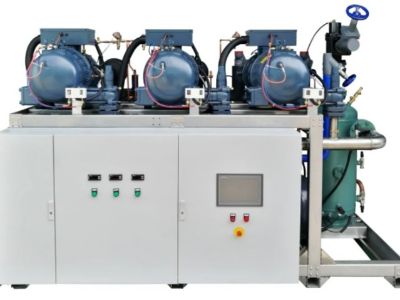
Water chiller systems play a crucial role in a variety of industries, particularly in food, pharmaceuticals, and logistics, where temperature control is paramount. These systems are designed to remove heat from a liquid via a vapor-compression or absorption refrigeration cycle, ensuring that products remain at optimal temperatures throughout storage and transportation. For purchasing managers and engineers, understanding the nuances of water chiller systems is vital for ensuring efficiency, reliability, and compliance with industry standards. We will explore how to choose the right water chiller system for your project needs, key specifications to consider, sourcing reliable suppliers, cost and efficiency factors, and their applications in food and pharma industries.

Key Specifications to Consider in Water Chiller Systems

When evaluating water chiller systems, several key specifications must be considered:

Cooling Capacity: Measured in tons or kilowatts, this indicates how much heat the system can remove in a given time. It's essential to match the cooling capacity to your application’s needs to avoid underperformance or energy inefficiency.

Energy Efficiency Ratio (EER): This ratio measures the efficiency of the chiller. A higher EER indicates a more efficient unit, which can lead to significant cost savings on energy bills over time.

Refrigerant Type: The choice of refrigerant has implications for environmental impact and energy efficiency. Common options include R-410A and R-134A, but newer, more environmentally friendly alternatives may also be available.

Operating Temperature Range: Ensure that the chiller can operate effectively within the temperature ranges required for your applications. Some industries, like pharmaceuticals, may require stricter temperature controls.

Durability and Reliability: Look for systems designed with high-quality materials and robust construction. This reduces the risk of breakdowns and extends the lifespan of the equipment.

Control Systems: Advanced monitoring and control systems allow for precise temperature management and can optimize energy usage, making them an important consideration.
Sourcing Reliable Suppliers

Finding a trustworthy supplier is crucial to ensuring the longevity and performance of your water chiller system. Start by researching manufacturers with a strong reputation in the industry, such as Shanghai Zhaoxue Refrigeration Co., Ltd., known for providing energy-efficient and custom-engineered systems.

When evaluating suppliers, consider their experience in your specific industry, customer service reputation, and the availability of technical support. Requesting references or case studies can provide insight into their reliability and responsiveness. Additionally, assess their ability to meet your customization needs and lead times, which can impact your overall project timeline.

Cost, Efficiency, and Features

The cost of a water chiller system can vary widely depending on its specifications, features, and the manufacturer. While it’s tempting to opt for the lowest-priced option, it’s important to consider the total cost of ownership, which includes installation, maintenance, and operational costs.

Efficiency plays a significant role in long-term savings. Systems with higher energy efficiency ratios may have a higher upfront cost but can save substantial amounts on energy bills over their lifespan. Features such as variable speed drives, advanced controls, and integration with building management systems can enhance efficiency and may be worth the investment.

Lastly, consider additional features that may benefit your operation, such as remote monitoring capabilities, redundancy systems for critical applications, and ease of maintenance. All these factors should be weighed carefully to make an informed purchasing decision.

Applications of Water Chiller Systems in Food and Pharma Industries

Water chiller systems are integral to several applications within the food and pharmaceutical sectors. In food processing, they are used to maintain optimal temperatures during storage and transportation, reducing spoilage and ensuring product safety. For example, chilled water systems are vital for cooling products like dairy, meats, and produce to preserve freshness and quality.

In the pharmaceutical industry, precision is key. Water chillers are employed to control the temperature of sensitive products during manufacturing and storage. They help ensure that drugs remain effective and comply with regulatory standards, which can be critical for patient safety. Moreover, Cold Room facilities often utilize water chiller systems to maintain the necessary temperature controls.

Moreover, understanding the specific requirements of your application, such as temperature tolerances and required cooling capacities, can greatly influence the selection of the appropriate water chiller system. Collaborating with experienced manufacturers can provide insights into best practices and optimal configurations for your unique needs.

By carefully considering these aspects of water chiller systems, buyers can make informed decisions that meet their operational requirements while enhancing efficiency and sustainability.

Choosing the Right Water Chiller System for Your Project Needs

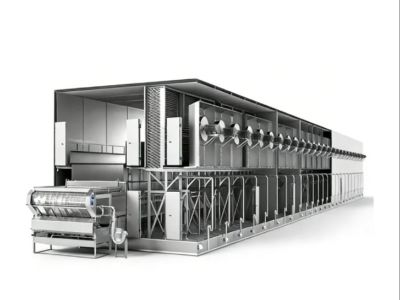
Selecting the right water chiller system starts with understanding your specific project requirements. Consider factors such as the intended application, the volume of cooling required, and the operational environment. For example, a facility handling perishable food items may need a chiller system with faster cooling capabilities compared to a pharmaceutical application where precise temperature control is critical. Additionally, Self-stacking Spiral Freezers can complement water chiller systems by providing efficient cooling solutions in food processing.

Additionally, assess the available space for installation, as this may influence the choice between centralized or decentralized systems. Centralized systems are often more efficient for larger facilities, while smaller operations might benefit from modular, easily scalable systems. Consulting with manufacturers like Shanghai Zhaoxue Refrigeration Co., Ltd. can provide tailored solutions that meet your unique cooling demands.

Frequently Asked Questions

What is the water chiller system used for?

Our water chiller system provides reliable cold water circulation for process cooling, climate control, ice machines, and cold storage support in food, pharma, and logistics applications.
Yes. We offer custom-engineered chiller solutions tailored to capacity, temperature range, controls, and integration with automated systems.
Systems include high-efficiency compressors, variable-speed drives, optimized heat exchangers, and intelligent controls to reduce power use and operating costs.
Yes. We supply full installation, commissioning, and start-up support, plus system integration with existing cold rooms or production lines.
We provide preventive maintenance plans, remote monitoring options, spare parts support, and technical service to ensure continuous, reliable operation.

Our Blog Posts

how to clean condensing unit

03

Nov

how to clean condensing unit

Cleaning a condensing unit is essential for maintaining the efficiency and longevity of refrigeration systems, particularly in industries like food processing, pharmaceuticals, and logistics. Proper cleaning helps prevent malfunctions, reduces energy...
View More
what does evaporator coil do

03

Nov

what does evaporator coil do

Understanding what an evaporator coil does is essential for anyone involved in the purchasing or maintenance of refrigeration systems. These coils play a crucial role in cooling processes by absorbing heat from the environment, making them indispensa...
View More
what are the methods of food preservation

03

Nov

what are the methods of food preservation

Food preservation is a critical process for maintaining the quality and safety of perishable items, especially in the food industry. Understanding what are the methods of food preservation can help businesses minimize waste, ensure product integrity,...
View More
what are the advantages of food preservation

03

Nov

what are the advantages of food preservation

Food preservation is a critical process that extends the shelf life of perishable goods such as fruits, vegetables, meats, and dairy products. Understanding the advantages of food preservation can greatly benefit businesses in the food industry, incl...
View More

Leave a Message

Email
Name
Company Name
Message
0/1000

Related product categories