EN

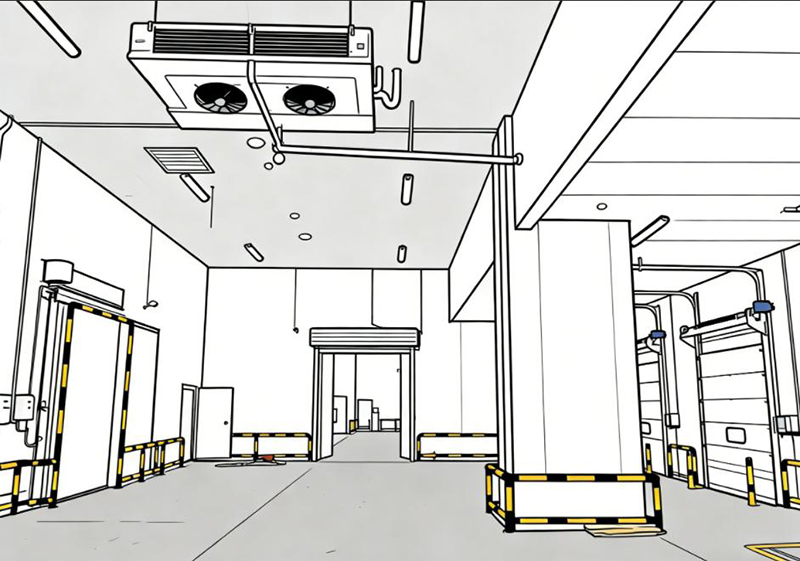
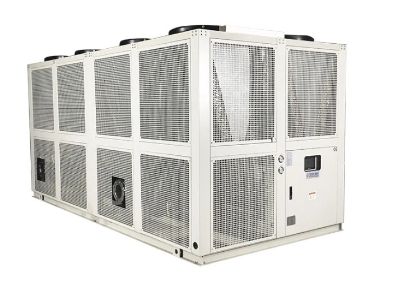
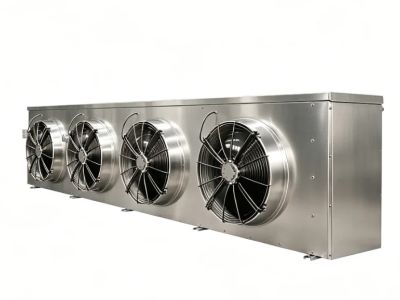
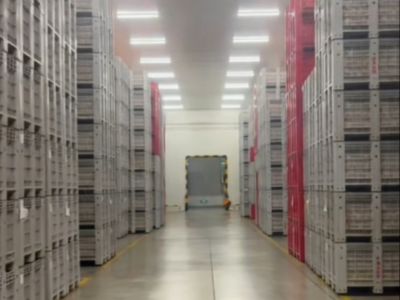
When considering the procurement of a modular cold room, understanding the pricing dynamics is critical for businesses needing efficient cold storage solutions. The modular cold room price is influenced by various factors including specifications, materials, and supplier reliability. This article outlines essential considerations for purchasing managers, distributors, and engineers to ensure they make informed decisions regarding modular cold rooms that suit their specific business needs. For instance, options like Cold Room solutions can vary in cost and functionality.
Key Specifications to Consider for Modular Cold Room Pricing
Understanding the specifications that affect modular cold room price is crucial for making an informed purchasing decision. Key specifications include:
Temperature Range: Different applications require different temperature settings. For example, fresh produce may need to be stored at 0°C to 4°C, whereas pharmaceuticals may require stricter controls around -20°C. Confirm the temperature range your application demands.
Insulation Thickness: The effectiveness of insulation directly influences energy efficiency and temperature stability. Thicker insulation can lead to higher upfront costs but may result in long-term savings through lower energy bills.
Material Quality: Cold rooms are typically constructed from materials like galvanized steel or stainless steel, which impact durability and maintenance. Higher-quality materials may come at a premium but can provide better longevity and lower maintenance costs.
Sealing and Door Design: The effectiveness of seals and door designs is essential to maintain internal temperatures. Look for options that include high-quality seals to prevent air leakage, which can affect energy efficiency.
By understanding these specifications, buyers can better assess price variations and justify their choices based on operational needs.