Understanding Cold Storage Room Prices for Buyers

Let's Discuss Your Needs

Every great collaboration starts with a friendly chat.
We're here to help you figure things out and find the best way forward.
Company Name
Name
Email
WhatsApp
Mobile

cold storage room price

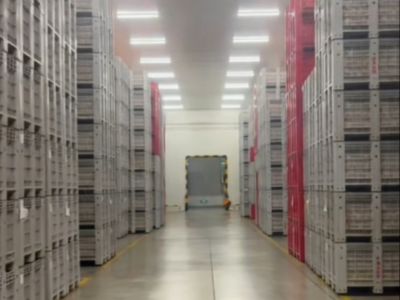
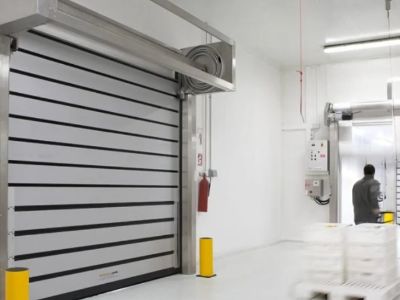
Investing in a cold storage room is crucial for businesses dealing with perishable goods, pharmaceuticals, or logistics. Understanding the factors that influence cold storage room prices can help buyers make informed purchasing decisions. This article will delve into the primary considerations for B2B buyers, including key features, applications in food and pharma industries, and sourcing strategies that can lead to energy-efficient solutions.

Key Features to Evaluate

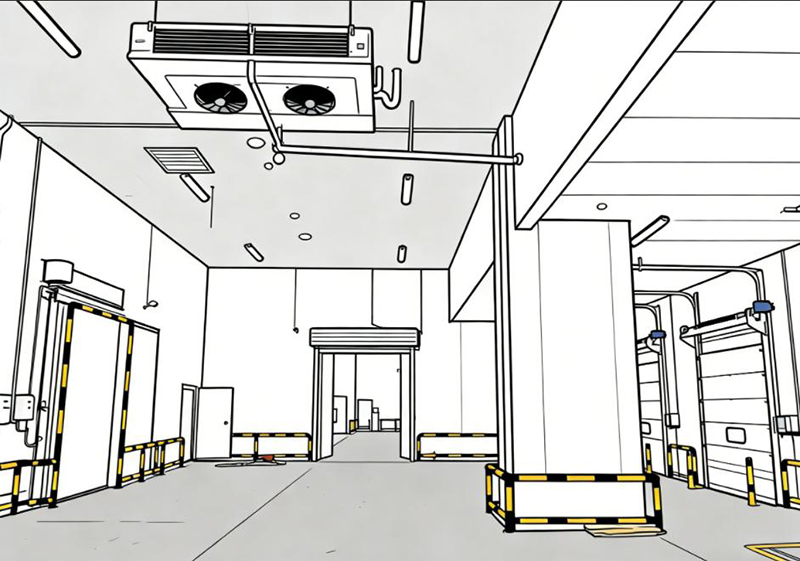
When evaluating cold storage rooms, buyers should consider several key features that impact functionality and compliance:

Insulation Quality: The insulation material and thickness play a vital role in maintaining temperature and energy efficiency. Higher R-values indicate better insulation performance, which can impact both initial costs and operational efficiency.

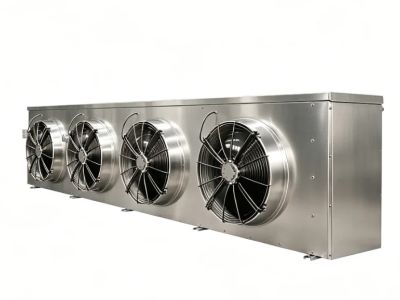
Refrigeration Systems: The type of refrigeration system—whether traditional, variable-speed, or advanced systems—affects both performance and cost. Variable-speed compressors, for example, provide better efficiency and can adjust to varying loads, which can be beneficial for fluctuating inventory levels. Implementing systems like the Tunnel Freezer can also improve refrigeration efficiency.

Control Systems: Advanced temperature and humidity control systems are essential for sensitive products. Look for user-friendly interfaces and robust monitoring capabilities that allow for real-time adjustments and alerts.

Compliance Features: Ensure that the cold storage room design includes features that meet industry compliance standards such as proper documentation, monitoring systems, and validation capabilities essential for the pharma sector.

Durability and Maintenance: High-quality materials and construction techniques can reduce maintenance costs over time. Buyers should inquire about warranties and the expected lifespan of the components.
Top Applications for Cold Storage Rooms in Food and Pharma Industries

Cold storage rooms serve essential roles in various sectors:

Food Industry: Used for storing perishable goods such as fruits, vegetables, dairy products, and meats, cold storage is vital for maintaining freshness and safety. Advanced temperature control is crucial for preventing spoilage and extending shelf life.

Pharmaceutical Industry: Cold storage is critical for preserving the efficacy of temperature-sensitive medications and vaccines. These applications often require strict adherence to temperature monitoring and control standards to ensure product integrity.

Logistics and Distribution: Cold storage facilities are integral to supply chain operations, allowing for the efficient transportation and distribution of perishable goods. With the rise of e-commerce, having a well-equipped cold storage facility can enhance delivery capabilities.

Research and Development: Laboratories often require cold storage for biological samples, reagents, and other sensitive materials. Custom solutions may be necessary to accommodate varying temperature requirements and ensure compliance with research protocols.

What Buyers Should Know

Before purchasing a cold storage room, buyers should consider the following:

Request Detailed Quotes: Provide suppliers with comprehensive details about your specific requirements, including size, temperature range, and compliance needs. This information is crucial for receiving accurate and competitive quotes.

Quality Assurance Procedures: Inquire about the supplier's quality control processes to ensure that the product meets all necessary standards. A reliable manufacturer should be able to provide documentation and certifications.

Sample Inspection: Before committing to a large order, request a sample or prototype to inspect for quality and functionality. Testing under actual operating conditions can reveal potential issues.

Lead Times and Installation: Understand the expected lead time for your order and any installation requirements. Timely delivery is essential for operational efficiency, especially if you are expanding existing facilities.

After-Sales Support: Assess the manufacturer's after-sales support, including warranty terms and maintenance services. Strong support can be crucial for addressing any issues that arise post-installation.

How to Source Energy-Efficient Cold Storage Rooms for Your Projects

Sourcing energy-efficient cold storage rooms involves strategic planning and supplier evaluation:

Supplier Research: Identify manufacturers with proven expertise in energy-efficient solutions. Look for companies that specialize in cold storage systems, like Shanghai Zhaoxue Refrigeration Co., Ltd., which offers custom-engineered systems.

Evaluate Energy Ratings: Request information on energy ratings and efficiency certifications for the proposed systems. Energy Star ratings or similar certifications can provide insights into the expected operational costs.

Customization Options: Discuss customization capabilities with suppliers to ensure that the cold storage room meets your specific operational needs. Custom features can enhance energy efficiency and reduce waste.

Assess Total Cost of Ownership: Consider not just the initial price but the total cost of ownership, including energy costs, maintenance, and potential savings from efficiency improvements.

Leverage Industry Connections: Utilize industry contacts or networks to gain insights and recommendations for reputable suppliers. Peer reviews and testimonials can provide valuable information regarding supplier reliability and product performance.

By focusing on these factors and strategies, B2B buyers can make informed decisions regarding cold storage room investments, ensuring they meet operational needs while optimizing costs.

What Factors Influence Cold Storage Room Prices for Wholesale Buyers?

The price of cold storage rooms varies based on several critical factors.

Size and Capacity: Larger storage rooms designed to accommodate more inventory will generally cost more due to the increased materials and construction complexity. Buyers should assess their storage needs accurately to avoid overspending or underestimating capacity.

Temperature Requirements: The specific temperature range required for the stored items significantly affects pricing. Cold storage rooms for pharmaceuticals often need tighter temperature controls, which can lead to higher costs due to advanced insulation and refrigeration technology.

Energy Efficiency: Energy-efficient designs, such as those utilizing advanced insulation materials or eco-friendly refrigerants, can have higher upfront costs but lead to significant savings on energy bills over time. Buyers should consider the long-term operational costs when evaluating price versus efficiency. For instance, using a Impingement Freezer might be one of the options to enhance energy efficiency.

Customization: Custom-engineered solutions tailored to specific operational requirements can result in higher initial costs. However, these tailored systems can enhance operational efficiency and reduce waste, offering better overall value.

Quality and Compliance Standards: Compliance with industry standards and certifications relevant to food safety or pharmaceutical storage can also influence cold storage room prices. Buyers should ensure that their chosen suppliers meet these standards to avoid potential regulatory issues.

Market Dynamics: Supply chain factors, including raw material costs and labor availability, can also affect pricing. Buyers should stay informed about market trends to negotiate better prices or take advantage of favorable conditions.

Frequently Asked Questions

How much does a standard cold storage room cost?

Price varies by size, temperature range, insulation, and features. Typical ranges start from several thousand USD for small units to tens of thousands for larger, insulated walk-ins. Contact us for a tailored quote.
Key factors: room volume, insulation thickness, refrigeration capacity, temperature requirements, automation level, doors, and installation complexity. Custom specs and site conditions also influence cost.
Yes. We provide custom-engineered solutions and pricing based on industry-specific requirements, including hygiene standards, temperature control accuracy, and automation needs.
Standard quotes typically exclude shipping and installation. We can provide bundled estimates covering delivery, on-site assembly, commissioning, and aftersales support upon request.
Yes. High-efficiency compressors, improved insulation, and smart controls lower energy consumption and operating costs, which can offset higher upfront investment over time.

Our Blog Posts

10 Fascinating Facts About Cold Room You Never Knew!

12

Oct

10 Fascinating Facts About Cold Room You Never Knew!

The World's Largest "Refrigerator" Can Hold the Entire City of Rome. The global cold storage network is vast beyond imagination. For instance, the total storage capacity of one of North America's largest cold storage operators exceeds 400 million cub...
View More
what does evaporator coil do

03

Nov

what does evaporator coil do

Understanding what an evaporator coil does is essential for anyone involved in the purchasing or maintenance of refrigeration systems. These coils play a crucial role in cooling processes by absorbing heat from the environment, making them indispensa...
View More
controlled atmosphere storage of fruits and vegetables

03

Nov

controlled atmosphere storage of fruits and vegetables

Controlled atmosphere storage of fruits and vegetables is a critical component in preserving the quality and extending the shelf life of produce. These specialized storage solutions regulate temperature, humidity, and gas composition to slow down rip...
View More
what are the methods of food preservation

03

Nov

what are the methods of food preservation

Food preservation is a critical process for maintaining the quality and safety of perishable items, especially in the food industry. Understanding what are the methods of food preservation can help businesses minimize waste, ensure product integrity,...
View More

Leave a Message

Email
Name
Company Name
Message
0/1000

Related product categories