EN

Investing in a cold storage room is crucial for businesses dealing with perishable goods, pharmaceuticals, or logistics. Understanding the factors that influence cold storage room prices can help buyers make informed purchasing decisions. This article will delve into the primary considerations for B2B buyers, including key features, applications in food and pharma industries, and sourcing strategies that can lead to energy-efficient solutions.
Key Features to Evaluate
When evaluating cold storage rooms, buyers should consider several key features that impact functionality and compliance:
Insulation Quality: The insulation material and thickness play a vital role in maintaining temperature and energy efficiency. Higher R-values indicate better insulation performance, which can impact both initial costs and operational efficiency.
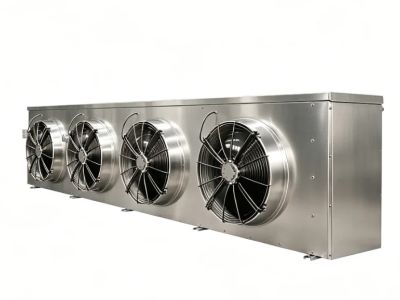
Refrigeration Systems: The type of refrigeration system—whether traditional, variable-speed, or advanced systems—affects both performance and cost. Variable-speed compressors, for example, provide better efficiency and can adjust to varying loads, which can be beneficial for fluctuating inventory levels. Implementing systems like the Tunnel Freezer can also improve refrigeration efficiency.
Control Systems: Advanced temperature and humidity control systems are essential for sensitive products. Look for user-friendly interfaces and robust monitoring capabilities that allow for real-time adjustments and alerts.
Compliance Features: Ensure that the cold storage room design includes features that meet industry compliance standards such as proper documentation, monitoring systems, and validation capabilities essential for the pharma sector.
Durability and Maintenance: High-quality materials and construction techniques can reduce maintenance costs over time. Buyers should inquire about warranties and the expected lifespan of the components.