Factors Influencing Cold Room Panels Price

Let's Discuss Your Needs

Every great collaboration starts with a friendly chat.
We're here to help you figure things out and find the best way forward.
Company Name
Name
Email
WhatsApp
Mobile

cold room panels price

Cold room panels are essential components in constructing efficient cold storage systems, freezers, and other refrigeration applications. Understanding the factors that influence cold room panels price is crucial for B2B buyers—particularly those in the food, pharmaceutical, and logistics sectors. This article aims to guide purchasing managers, engineers, and product managers through the important specifications, installation challenges, and applications of cold room panels, ultimately helping them make informed decisions.

What to Expect

When purchasing cold room panels, expect a range of prices influenced by material choice, thickness, size, and manufacturer capabilities. Prices can vary significantly based on customization and additional features, such as fire resistance or specialized coatings.

Lead times can also be an important factor. Standard panels may be available quickly, but custom-engineered solutions may require longer lead times due to design, manufacturing, and quality control processes. Buyers should communicate their timelines clearly when requesting quotes to ensure timely delivery.

Additionally, expect to conduct quality inspections upon receipt of the panels. Check for any damage during transit and verify that the specifications match the order. This step is crucial to avoid delays in installation and ensure the panels meet the necessary performance standards.
Tips for Discerning Buyers

To navigate the complexities of purchasing cold room panels effectively, consider the following tips:

Request Samples: Before committing to a large order, request samples to evaluate the material quality, insulation performance, and overall construction. This allows you to assess how well the panels meet your specific application needs.

Compare Suppliers: Look for manufacturers with proven experience in the industry and a robust quality assurance process. Evaluate their production capabilities, certifications, and past projects to ensure they can meet your requirements.

Understand Pricing Factors: Pricing can be influenced by several factors, including material costs, manufacturing complexity, and transportation logistics. Request detailed quotations that outline these factors to understand the total cost of ownership.

Discuss Customization Options: Many manufacturers, including Shanghai Zhaoxue Refrigeration Co., Ltd., offer customization capabilities. Discuss your specific needs with suppliers to explore options that may enhance performance or reduce operational costs. For instance, exploring options for REFRIGERATION UNITS can provide tailored solutions.

Check for Compliance: Ensure that the panels comply with relevant industry regulations and standards, such as those set by food safety authorities or fire safety codes. This is particularly crucial in applications involving food and pharmaceuticals.

By following these tips, buyers can make informed decisions that align with their operational requirements and budget constraints.

Common Installation Challenges with Cold Room Panels and Solutions

Installing cold room panels can present several challenges, but being aware of common issues can help mitigate potential delays:

Alignment Issues: Panels must be precisely aligned during installation to ensure a tight seal. Misalignment can lead to gaps that compromise insulation. To avoid this, use proper installation tools and techniques, and consider hiring experienced installers.

Weight Handling: Cold room panels can be heavy, especially when using thicker materials. Ensure that your installation team is equipped with the appropriate lifting equipment and techniques to safely maneuver and position the panels.

Temperature Control: Maintaining the desired temperature during installation is crucial. If panels are exposed to ambient temperatures for extended periods, it can affect their insulation properties. Plan the installation during cooler times or use temporary temperature control measures to protect the panels.

Seal Integrity: Ensuring the integrity of seals is vital for maintaining temperature control and energy efficiency. Use high-quality sealants and adhesives during installation and perform thorough inspections post-installation to identify any potential leaks.

By anticipating these challenges and implementing solutions, buyers can facilitate a smoother installation process and ensure the ongoing performance of their cold storage systems.

Applications of Cold Room Panels in Food and Pharma Industries

Cold room panels play a vital role in various applications across the food and pharmaceutical industries.

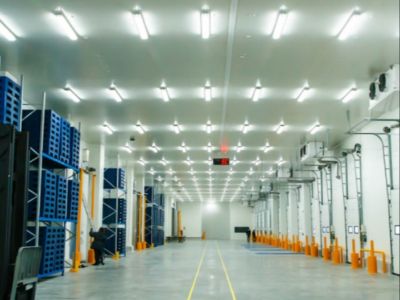
Food Storage: In the food sector, cold room panels are essential for maintaining the freshness of perishable goods, such as meats, dairy, and produce. The insulation properties of these panels help sustain low temperatures, reducing spoilage and extending shelf life.

Pharmaceutical Storage: In the pharmaceutical industry, cold room panels are critical for storing temperature-sensitive medications and vaccines. These panels ensure that products are kept at consistent temperatures to maintain efficacy and comply with regulatory requirements.

Logistics and Distribution: Cold room panels are also crucial in logistics, where temperature-controlled environments are necessary during the transportation and distribution of goods. They help ensure that products remain secure and at the right temperature throughout the supply chain.

Food Processing Facilities: In food processing plants, cold room panels provide temperature-controlled environments for various stages of production, from raw ingredient storage to finished product cooling.

Understanding these applications can help buyers select the right cold room panels that meet their specific operational needs, ultimately leading to improved efficiency and cost savings.

By focusing on the specifications, installation challenges, and applications of cold room panels, B2B buyers can navigate the purchasing process with greater confidence and ensure that they make informed decisions that align with their operational goals.

Key Specifications to Consider When Buying Cold Room Panels

When evaluating cold room panels, several key specifications influence both performance and pricing.

Material: Cold room panels are typically made from materials like polyurethane, polystyrene, or mineral wool. Polyurethane panels offer high insulation values, which can lead to lower energy costs, while polystyrene is often more cost-effective but may not perform as well in extreme conditions. Mineral wool is fire-resistant and preferred in applications requiring enhanced safety.

Thickness: The thickness of the panels directly affects their thermal insulation properties. Common thicknesses range from 50mm to 150mm, depending on the required temperature maintenance. A thicker panel generally provides better insulation but comes at a higher cost.

Dimensions: Standard panel sizes can vary, but custom dimensions may be necessary for specific applications. Ensuring the right dimensions is essential to avoid installation issues and ensure optimal space utilization.

Sealing: The integrity of the panel seals is vital for maintaining temperature control and energy efficiency. Buyers should look for panels with robust sealing systems that prevent air leaks, which can compromise the cold storage environment.

Load Capacity: Depending on their application, cold room panels must support specific weight loads, particularly in food processing and logistics. Assessing the load-bearing capacity ensures that the panels can withstand the operational stresses they will encounter.

By carefully considering these specifications, buyers can better understand the factors that affect cold room panels price and make more informed purchasing decisions. Additionally, using high-quality Cold Room solutions can enhance overall efficiency.

Frequently Asked Questions

What affects cold room panels price?

Price depends on panel thickness, insulation type (PU/PIR), panel size, finish, accessories, and custom requirements like doors or fittings.
Yes. We provide tiered pricing for bulk orders and large projects. Contact sales with quantities and specs for a formal quote.
Standard quotes list panel costs separately. We can include design, delivery, and installation in a custom proposal upon request.
Yes. Panels are engineered for required temperature ranges by selecting appropriate insulation thickness and sealing to meet food, pharma, or logistics needs.
Provide project details: dimensions, desired temperature, insulation type, door/accessories, and location. We will produce a tailored quote and technical drawing.

Our Blog Posts

what is the standard temperature of chiller

03

Nov

what is the standard temperature of chiller

Understanding the standard temperature of chillers is crucial for multiple industries, including food, pharmaceuticals, and logistics. This article dives into the specifics of what is the standard temperature of a energy-efficient chillers, addressin...
View More
how to set temperature in chiller

03

Nov

how to set temperature in chiller

Setting the correct temperature in a chiller is crucial for maintaining the quality and safety of sensitive products, especially in industries like food, pharmaceuticals, and logistics. This article will address key considerations for B2B buyers, inc...
View More
what does evaporator coil do

03

Nov

what does evaporator coil do

Understanding what an evaporator coil does is essential for anyone involved in the purchasing or maintenance of refrigeration systems. These coils play a crucial role in cooling processes by absorbing heat from the environment, making them indispensa...
View More
what are the advantages of food preservation

03

Nov

what are the advantages of food preservation

Food preservation is a critical process that extends the shelf life of perishable goods such as fruits, vegetables, meats, and dairy products. Understanding the advantages of food preservation can greatly benefit businesses in the food industry, incl...
View More

Leave a Message

Email
Name
Company Name
Message
0/1000

Related product categories