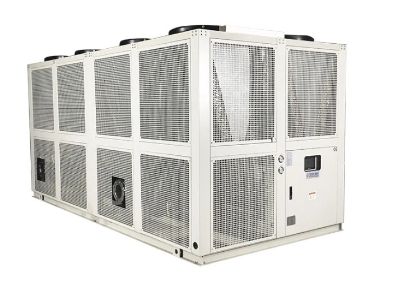
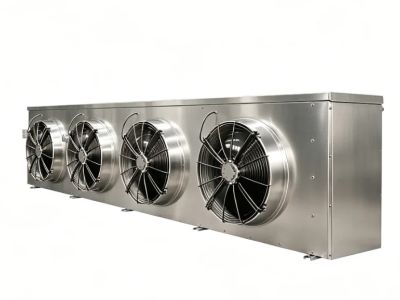
Air Cooled Water Chillers: Essential Buyeru2019s Guide

Let's Discuss Your Needs

Every great collaboration starts with a friendly chat.
We're here to help you figure things out and find the best way forward.
Company Name
Name
Email
WhatsApp
Mobile

air cooled water chiller

Air cooled water chillers are essential components in various industrial applications, providing reliable cooling solutions for processes in food, pharmaceuticals, and logistics. For B2B buyers, selecting the right air cooled water chiller involves understanding specific requirements related to efficiency, capacity, and compatibility with existing systems. This article will guide purchasing managers, engineers, and product managers through key considerations in selecting an air cooled water chiller, ensuring informed decisions that enhance operational efficiency and cost-effectiveness.

A Buyeru2019s Guide

When preparing to purchase an air cooled water chiller, potential buyers should gather specific information to ensure a smooth procurement process:

Application Requirements: Clearly define the application and performance requirements. This includes the desired cooling load, temperature range, and any specific operational conditions.

Technical Specifications: Request detailed specifications from suppliers, including dimensions, weight, refrigerant type, and electrical requirements. Ensure that the technical parameters align with your existing infrastructure.

Customization Needs: If your project requires specific features or configurations, inquire about the manufacturer’s customization capabilities. Custom-engineered solutions can better meet unique operational needs, including options like Cold Room systems.

Quality Certifications: Verify that the manufacturer complies with relevant industry standards and certifications, which can be indicative of product reliability and safety.

Lead Times and Availability: Understand the lead times for production and delivery. This is crucial for project planning, especially if the chiller is part of a broader installation timeline.

Pricing Structure: Be aware of the pricing model. Factors such as bulk purchasing, customization, and added features can impact the overall cost.
Supplier Sourcing Tips for Reliable Air Cooled Water Chiller Manufacturers

Finding a reliable supplier for air cooled water chillers is critical to ensuring quality and performance. Here are some tips for sourcing:

Research and Recommendations: Start with thorough research. Seek recommendations from industry peers or consult online reviews and ratings to identify reputable manufacturers.

Evaluate Experience and Expertise: Look for manufacturers with extensive experience in producing air cooled water chillers. Companies like Shanghai Zhaoxue Refrigeration Co., Ltd. have a proven track record in delivering custom-engineered solutions for various industries.

Visit Facilities: If possible, visit the manufacturer’s production facility. This provides insight into their manufacturing processes, quality control measures, and overall operational capabilities.

Check References: Request references from previous clients to gauge the manufacturer’s reliability and customer service. Satisfied clients can provide valuable feedback on product performance and support.

Request Sample Units: Before making a large purchase, consider requesting a sample unit for testing. This allows you to evaluate the chiller's performance under your specific conditions.

Common Installation Challenges with Air Cooled Water Chillers and Solutions

Installing air cooled water chillers can present several challenges. Here are common issues and their solutions:

Space Constraints: Limited installation space can impact accessibility for maintenance and operation. Ensure that the chiller's dimensions are compatible with the installation area, and allow ample room for airflow and service access.

Vibration and Noise: Air cooled water chillers may produce vibrations and noise during operation. To mitigate this, consider vibration isolators and acoustic panels, which can help reduce disturbances.

Electrical Compatibility: Ensure that the chiller's electrical requirements match your existing infrastructure. Assess voltage, phase, and amperage needs before installation to avoid operational issues.

Environmental Conditions: Extreme weather conditions can affect chiller performance. Install the unit in a shaded area or consider protective enclosures to enhance efficiency and longevity.

Piping and Connections: Improper piping and connections can lead to leaks and inefficiencies. Ensure that all fittings are secured, and verify that the piping layout meets the manufacturer's specifications.

Cost Factors to Consider When Purchasing Air Cooled Water Chillers Wholesale

The total cost of purchasing air cooled water chillers involves various factors beyond the initial price. Here are key considerations:

Initial Purchase Price: While the upfront cost is a significant factor, it is essential to balance it with energy efficiency and potential long-term savings.

Installation Costs: Factor in the expenses associated with installation, including labor, materials, and any necessary modifications to existing infrastructure.

Operating Costs: Consider the energy consumption of the chiller over its expected lifespan. Models with higher energy efficiency may have a higher initial cost but can significantly reduce operating expenses.

Maintenance and Repair Costs: Include potential costs for regular maintenance, repairs, and parts replacement in your budgeting. Select models that are known for reliability and ease of maintenance to minimize long-term expenses.

Warranty and Support: Evaluate the warranty terms and post-purchase support offered by the manufacturer. A strong warranty can protect against unforeseen issues and help maintain operational continuity.

By carefully considering these factors, B2B buyers can confidently select the right air cooled water chiller for their needs, ensuring optimal performance and efficiency in their operations.

What to Consider When Choosing an Air Cooled Water Chiller for Your Projec

When selecting an air cooled water chiller, several critical factors must be evaluated:

Cooling Capacity: This is typically measured in tons or kilowatts and should align with the cooling requirements of your specific application. Underestimating capacity can lead to inadequate cooling, while overestimating can result in higher operational costs.

Energy Efficiency: Look for chillers with high Energy Efficiency Ratios (EER) or Coefficients of Performance (COP). Energy-efficient models may have a higher initial cost but can lead to significant savings in energy bills over time.

Operating Environment: Consider the ambient temperature and humidity of the installation site. Chillers must be capable of operating efficiently in the specific environmental conditions where they will be installed.

Noise Levels: For installations near residential or sensitive areas, noise levels can be a concern. Check the manufacturer's specifications on sound levels during operation.

Control Systems: Advanced control systems offer better efficiency and reliability. Consider chillers with smart controls that allow for remote monitoring and adjustments, similar to those found in our REFRIGERATION UNITS.

Maintenance Requirements: Evaluate the maintenance needs of the chiller. Regular maintenance is crucial for optimal performance, so choose a model that is easy to service and has readily available replacement parts.

Frequently Asked Questions

What is an air cooled water chiller?

An air cooled water chiller uses ambient air to dissipate heat from the refrigerant, cooling water for circulation in cold rooms, freezers, or process systems. It’s compact and suitable for facilities without chilled water plants.
Our air cooled water chillers serve food, pharmaceutical, and logistics sectors, providing reliable cooling for cold storage, freezers, ice machines, and automated processing lines.
Yes. We offer custom-engineered chillers to match capacity, footprint, controls, and integration with your automated systems and cold storage requirements.
We use high-efficiency compressors, variable-speed drives, optimized heat exchangers, and intelligent controls to minimize energy use while maintaining required temperatures.
We provide installation guidance, commissioning, preventive maintenance plans, remote monitoring options, and spare parts support to ensure long-term performance.

Our Blog Posts

10 Fascinating Facts About Cold Room You Never Knew!

12

Oct

10 Fascinating Facts About Cold Room You Never Knew!

The World's Largest "Refrigerator" Can Hold the Entire City of Rome. The global cold storage network is vast beyond imagination. For instance, the total storage capacity of one of North America's largest cold storage operators exceeds 400 million cub...
View More
what is a chiller used for

03

Nov

what is a chiller used for

Industrial chillers are critical components in various sectors, providing precise temperature control for a range of applications. Understanding what a energy-efficient chillers is used for can greatly influence purchasing decisions for business...
View More
what is the standard temperature of chiller

03

Nov

what is the standard temperature of chiller

Understanding the standard temperature of chillers is crucial for multiple industries, including food, pharmaceuticals, and logistics. This article dives into the specifics of what is the standard temperature of a energy-efficient chillers, addressin...
View More
what does evaporator coil do

03

Nov

what does evaporator coil do

Understanding what an evaporator coil does is essential for anyone involved in the purchasing or maintenance of refrigeration systems. These coils play a crucial role in cooling processes by absorbing heat from the environment, making them indispensa...
View More

Leave a Message

Email
Name
Company Name
Message
0/1000

Related product categories