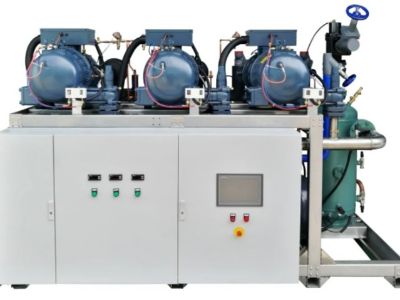
Essential Water Cooled Condensing Unit Specifications

Let's Discuss Your Needs

Every great collaboration starts with a friendly chat.
We're here to help you figure things out and find the best way forward.
Company Name
Name
Email
WhatsApp
Mobile

water cooled condensing unit

When it comes to industrial refrigeration, water cooled condensing units are essential components for maintaining optimal temperatures in various applications, including food storage, pharmaceuticals, and logistics. These units utilize water as a cooling medium, making them energy-efficient and ideal for environments where air-cooled systems may not be feasible. This article will address key specifications, selection criteria, quality standards, cost factors, and important features to consider when purchasing water cooled condensing units, enabling purchasing managers and engineers to make well-informed decisions.

How to Choose the Right Water Cooled Condensing Unit for Your Needs

Selecting the appropriate water cooled condensing unit involves several considerations to ensure it meets both current and future needs:

Application Requirements: Assess the specific needs of your application. For instance, food storage may require stricter temperature control compared to general industrial use.

Energy Efficiency: Look for units with high Energy Efficiency Ratio (EER) ratings. Energy-efficient models reduce operational costs and are often more environmentally friendly.

Customization Options: Many manufacturers, including Shanghai Zhaoxue Refrigeration Co., Ltd., offer customizable solutions. Determine if you need modifications for unique applications, such as increased capacity or specialized controls.

Space Constraints: Measure the installation area to ensure the unit fits within the designated space. Consider the accessibility for maintenance and any additional equipment that may be needed.

Support and Warranty: Evaluate the manufacturer's customer support, warranty options, and availability of spare parts. Reliable support can significantly reduce downtime in case of issues.
Evaluating Quality Standards in Water Cooled Condensing Units

Quality standards are vital in ensuring the reliability and longevity of water cooled condensing units. Here are key aspects to consider:

Manufacturing Certifications: Look for manufacturers that comply with international standards such as ISO 9001, which ensures consistent quality management processes. Certifications may also include energy efficiency labels or environmental compliance standards.

Material Quality: Investigate the materials used in the construction of the unit. High-quality materials enhance durability and efficiency, reducing the likelihood of malfunctions.

Testing Procedures: Inquire about the testing protocols employed during manufacturing. Units should undergo rigorous performance testing under various conditions to verify their reliability.

Quality Control Processes: A robust quality control system is essential. Understand how the manufacturer monitors production and addresses defects to ensure each unit meets the required specifications.

Cost Factors to Consider for Bulk Water Cooled Condensing Unit Orders

When planning a bulk order of water cooled condensing units, several cost factors must be considered:

Unit Price: Evaluate the base price per unit, but remember that lower upfront costs may not always equate to long-term savings. Consider energy efficiency and maintenance costs.

Volume Discounts: Many manufacturers offer discounts for bulk purchases. Negotiate with suppliers to obtain the best price based on your order quantity.

Shipping and Handling Costs: Understand the logistics involved in transporting the units to your facility. International shipping can incur additional costs, including tariffs and handling fees.

Installation and Maintenance Expenses: Factor in the costs for installation, commissioning, and ongoing maintenance. Comprehensive service agreements can help manage these expenses over time.

Lead Times: Longer lead times can affect project timelines and associated costs. Confirm the expected delivery dates and any potential delays in manufacturing.

What to Look For

When selecting a water cooled condensing unit, several features can enhance performance and reliability:

Energy Management Systems: Advanced units may come equipped with energy management systems that monitor and optimize energy usage, helping to reduce operational costs.

Smart Controls: Look for units with smart control options that allow remote monitoring and management. This can provide insights into performance and help identify maintenance needs before issues arise.

Modular Design: A modular design can simplify maintenance and upgrades, allowing you to replace components without replacing the entire unit. This can be particularly advantageous for facilities with evolving needs.

Robust Warranty and Support: Ensure the unit comes with a strong warranty and support from the manufacturer. This can be critical for minimizing downtime and repair costs.

By understanding these specifications, selection criteria, quality standards, cost factors, and key features, purchasing managers and engineers can make informed decisions when procuring water cooled condensing units. This knowledge not only helps in choosing the right unit but also contributes to efficient operations, reduced costs, and enhanced reliability in critical applications.

Essential Specifications for Water Cooled Condensing Units

Understanding the essential specifications of water cooled condensing units is critical for ensuring they meet your operational needs. Key specifications include:

Cooling Capacity: Measured in BTUs or tons, this indicates the unit's ability to remove heat. Ensure the cooling capacity aligns with your operational requirements, as an undersized unit can lead to inefficiencies and potential product spoilage.

Compressor Type: Common types include scroll, reciprocating, and screw compressors. Each type has its operational efficiencies and applications, so selecting the right compressor is crucial for energy savings and reliability.

Condenser Material: Typically constructed from copper or stainless steel, the choice of material impacts heat transfer efficiency and corrosion resistance. Copper offers superior thermal conductivity, while stainless steel is often preferred for its durability and resistance to chemicals.

Operating Pressure and Temperature Range: Confirm that the unit can operate effectively within your facility's pressure and temperature parameters. Units designed for higher pressure applications may require additional safety measures.

Water Flow Rate: Measured in gallons per minute (GPM), this spec is critical to ensure adequate heat exchange. Insufficient flow can lead to overheating and system failure.

Frequently Asked Questions

What is a water cooled condensing unit?

A refrigeration component that uses water to remove heat from the refrigerant, improving efficiency in cold storage, freezers, and ice machines manufactured by our company.
Designed for cold storage rooms, commercial freezers, and industrial ice machines in food, pharmaceutical, and logistics facilities.
Yes. We provide custom-engineered systems tailored to capacity, temperature range, control automation, and site requirements.
Higher energy efficiency, stable condensing temperature, reduced compressor load, and improved performance in high ambient conditions.
Yes. We provide installation guidance, commissioning, automated control integration, and global after-sales service for maintenance and parts.

Our Blog Posts

10 Fascinating Facts About Cold Room You Never Knew!

12

Oct

10 Fascinating Facts About Cold Room You Never Knew!

The World's Largest "Refrigerator" Can Hold the Entire City of Rome. The global cold storage network is vast beyond imagination. For instance, the total storage capacity of one of North America's largest cold storage operators exceeds 400 million cub...
View More
how to set temperature in chiller

03

Nov

how to set temperature in chiller

Setting the correct temperature in a chiller is crucial for maintaining the quality and safety of sensitive products, especially in industries like food, pharmaceuticals, and logistics. This article will address key considerations for B2B buyers, inc...
View More
how to clean condensing unit

03

Nov

how to clean condensing unit

Cleaning a condensing unit is essential for maintaining the efficiency and longevity of refrigeration systems, particularly in industries like food processing, pharmaceuticals, and logistics. Proper cleaning helps prevent malfunctions, reduces energy...
View More
controlled atmosphere storage of fruits and vegetables

03

Nov

controlled atmosphere storage of fruits and vegetables

Controlled atmosphere storage of fruits and vegetables is a critical component in preserving the quality and extending the shelf life of produce. These specialized storage solutions regulate temperature, humidity, and gas composition to slow down rip...
View More

Leave a Message

Email
Name
Company Name
Message
0/1000

Related product categories